

If you’re a dentist, chances are you’re constantly being pitched new marketing tools. Every platform promises more leads, more patients, and faster growth. The problem is, most of them add complexity without delivering meaningful results.
Marketing tools should make your life easier, not harder. They should support patient trust, improve follow-up, and help turn interest into bookings. When tools don’t align with how patients actually choose dentists, they quickly become expensive distractions.
In this guide, I’ll break down the top 10 marketing tools that genuinely help dental clinics grow. Rather than blindly listing software, I’ll explain what each tool is best used for, where it fits in the patient journey, and when it’s worth investing so you can avoid wasted spend and overcomplicated systems.
Why Most Dental Marketing Tools Fail

Most marketing tools fail because they’re purchased in isolation. Clinics often add software hoping it will magically attract more patients, without considering how it fits into the overall patient journey. This reactive approach usually leads to underused tools and wasted spend.
Patients don’t care about the platforms or software your clinic uses. What matters to them is trust, clarity, reassurance, and a smooth experience. Tools that don’t support these outcomes rarely make a meaningful difference.
Another reason tools fail is complexity. Overbuilt systems can overwhelm staff and confuse patients, creating friction instead of removing it. Simplicity and usability are far more important than flashy features.
Successful clinics choose tools that align with how patients search, compare, and make decisions. They prioritise practical support for the patient journey over impressive demos or trendy software. When tools serve real patient needs, they deliver consistent value.
How to Think About Marketing Tools the Right Way
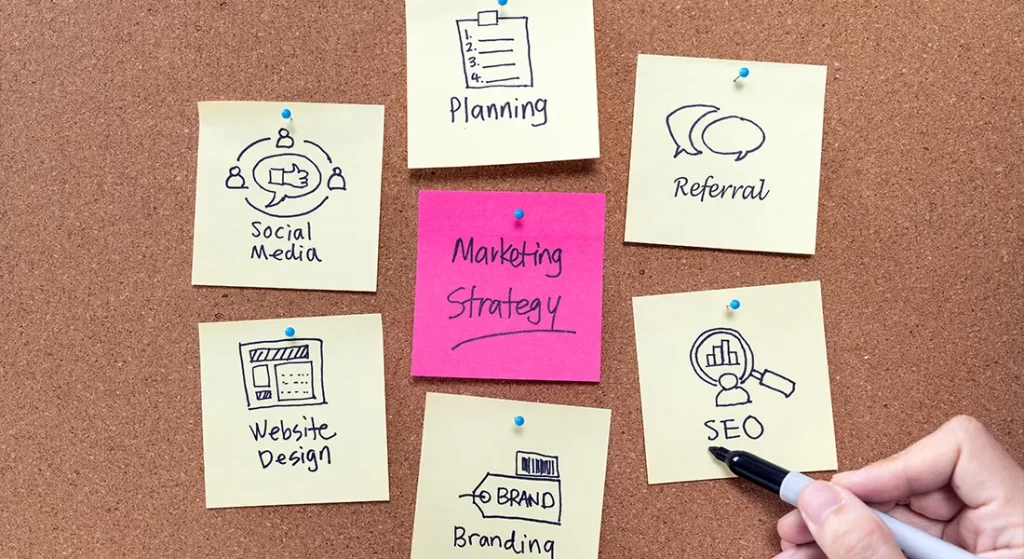
Before investing in any platform or software, it’s worth stepping back and rethinking what marketing tools are actually meant to do. Their job is not to impress or look sophisticated, but to make the patient journey clearer, calmer, and more reassuring. If a tool adds complexity or confusion for patients, it is usually working against you rather than for you.
- Design around patient behaviour, not features – Patients follow a natural decision-making process. Effective tools support how people already think, search, and choose, instead of forcing them into unfamiliar or uncomfortable interactions.
- Stage 1: Discovery being easy to find – This is the moment patients first encounter your clinic. Tools here should improve visibility and accessibility, ensuring your clinic appears in relevant searches and feels immediately understandable. Simplicity and clarity matter far more than advanced functionality at this stage.
- Stage 2: Trust and reassurance building confidence – Once patients know you exist; they want proof that you are credible and experienced. Reviews, testimonials, professional profiles, and clear treatment explanations help reduce uncertainty and establish confidence before any direct contact.
- Stage 3: Engagement and follow-up removing hesitation – Interested patients often have questions or doubts. Tools at this stage should support easy communication, timely follow-up, and clear answers. The goal is to guide patients forward without pressure or overwhelm.
- Stage 4: Booking and attendance making commitment easy – The final step is converting interest into action. Booking systems, reminders, and confirmations should feel intuitive and supportive, reducing anxiety rather than adding obstacles.
- Evaluate tools by the stage they support – Every tool should clearly serve at least one part of the patient journey. If it doesn’t, it is likely adding noise rather than value.
- Fewer, well-integrated tools perform better – A small number of thoughtfully chosen tools often deliver better results than a large, disconnected tech stack. Integration and ease of use matter more than volume.
When marketing tools align with patient psychology and behaviour, the entire experience feels more natural. Patients feel supported rather than sold to, and clinics benefit from stronger trust, smoother conversions, and more sustainable growth.
Tool 1: A Conversion-Focused Dental Website
Your website is not just an online brochure; it’s the foundation of your entire marketing system. Every ad, review platform, or social channel eventually sends patients back to it, which means it must do more than look nice. A strong dental website focuses on clarity, reassurance, and clear next steps.
Patients should immediately understand who you help, what services you offer, and how to book an appointment. If your website is slow, confusing, or outdated, it creates doubt and hesitation. In that case, no amount of additional marketing tools will compensate for the lost trust.
Tool 2: Google Business Profile Optimisation
For many patients, your Google Business Profile is the first impression they have of your clinic. Before visiting your website, they look at reviews, photos, opening hours, and location details. This quick scan often determines whether they click through or move on.
An optimised profile helps you appear in local searches and builds instant credibility. Accurate information, regular updates, professional photos, and thoughtful review responses all reinforce trust. When managed properly, it becomes a powerful driver of visibility and patient confidence.
Tool 3: Review Management and Monitoring Tools

Online reviews play a major role in how patients choose a dentist, especially in competitive areas. As your clinic grows, keeping track of feedback across multiple platforms becomes increasingly difficult to manage manually. This is where review monitoring tools become valuable.
These tools alert you when new reviews appear and help you respond in a timely, consistent way. When used correctly, they protect your reputation and show patients that you take feedback seriously. Instead of being a stress point, reviews become a powerful trust-building asset.
Tool 4: CRM and Patient Relationship Systems
A CRM helps you manage patient interactions beyond the first enquiry. It keeps communication organised and ensures follow-ups, reminders, and responses don’t fall through the cracks. For growing clinics, this consistency makes a noticeable difference to patient experience.
For dental practices, a CRM should feel simple and practical, not corporate or overengineered. It should support enquiries, recalls, and follow-ups without adding admin pressure to the team. When used properly, a CRM improves confidence, reduces missed opportunities, and increases booking rates.
Tool 5: Email and SMS Follow-Up Platforms
A CRM helps you manage patient interactions beyond the first enquiry. It keeps communication organised and ensures follow-ups, reminders, and responses don’t slip through the cracks. As a clinic grows, this level of consistency has a clear impact on the overall patient experience.
For dental practices, a CRM should feel simple and practical rather than corporate or overengineered. It should support enquiries, recalls, and follow-ups without increasing admin workload for the team. When used properly, a CRM builds confidence, reduces missed opportunities, and helps increase booking rates.
Tool 6: Social Proof and Trust-Building Content Tools
Patients want to feel confident and reassured before booking dental treatment. Educational content, FAQs, and testimonials help reduce anxiety and answer common concerns. This type of reassurance is often what moves a patient from interest to action.
Social proof and content tools make it easier to share helpful information consistently. This includes blog platforms, video hosting, and patient education systems. When your content answers real patient questions clearly, it builds trust long before the first appointment.
Tool 7: Paid Advertising Platforms (Used Carefully)
Paid advertising can be effective for dental clinics, but only when used strategically. Running ads without clear goals, proper tracking, or dedicated landing pages often leads to wasted spend. Ads should support specific objectives, such as promoting new patient offers or highlighting particular treatments.
It’s important to remember that paid ads don’t replace trust-building. Without a strong foundation like a clear website, positive reviews, and helpful content ads can end up amplifying weaknesses rather than driving meaningful results.
Tool 8: Analytics and Performance Tracking Tools

You can’t improve what you don’t measure, and analytics tools make this possible. They show where enquiries come from, which campaigns work, which pages convert, and where users drop off. This insight helps you understand patient behaviour and make informed marketing decisions.
Tracking doesn’t have to be complicated. The key is to collect consistent, meaningful data that guides improvements rather than creating unnecessary reports or confusion.
Tool 9: Appointment Booking and Scheduling Systems
Booking friction can cost clinics valuable patients. If the process feels confusing or inconvenient, many potential patients simply give up. Online appointment booking tools make it easy for patients to take action when they’re ready.
These systems also reduce administrative pressure on your team. The most effective tools integrate seamlessly with your workflow and stay simple and intuitive for patients to use.
Tool 10: Marketing Strategy and Coordination Support
Tools alone don’t drive growth; strategy is what ties everything together. Without a clear plan, even the best software can end up underused or misaligned with your clinic’s goals. A strong strategy ensures that every tool has a purpose and contributes to the patient journey.
Many clinics work with specialist dental marketing agencies to coordinate their tools effectively. This approach avoids the common trap of investing in software that doesn’t deliver results. When strategy leads, tools enhance growth instead of creating distraction or wasted spend.
How to Avoid Wasted Spend on Marketing Tools

The biggest mistake clinics make is buying marketing tools reactively. Decisions are often driven by persuasive sales pitches rather than a genuine understanding of patient needs. This usually leads to cluttered systems that don’t improve bookings or trust.
Before investing in any tool, pause and ask what specific problem it solves. You should also be clear about which stage of the patient journey it supports. If you can’t explain this simply, the tool is probably unnecessary.
Many clinics assume more tools mean better marketing. In reality, overlapping platforms often create confusion for staff and frustration for patients. Each additional tool should earn its place.
Simplicity almost always outperforms complexity. A small number of well-chosen tools, used properly, will deliver better results than an expensive, overbuilt setup that no one fully uses.
Choosing Tools Based on Growth Stage
Not every clinic needs every tool at the same time. The key is to introduce systems that support your current needs without creating unnecessary complexity or cost.
- Early-stage clinics: prioritise visibility and trust – At this stage, the goal is to be found and trusted. Focus on tools that improve local visibility and credibility, such as a well-optimised website, Google Reviews, and healthcare-specific platforms. These tools help patients feel confident choosing you, even if they’ve never heard of your clinic before.
- Growing clinics: strengthen follow-up and organisation – As enquiries increase, manual processes start to break down. Simple CRM systems, automated follow-ups, and appointment reminders become essential to ensure every enquiry is handled promptly and professionally. These tools prevent lost leads and reduce pressure on front-desk teams.
- Scaling clinics: improve tracking and coordination – Higher patient volumes require better oversight. Advanced reporting, lead tracking, and integrated systems help you understand where patients come from, which treatments perform best, and where bottlenecks exist. This clarity supports smarter decisions and sustainable growth.
- Avoiding tool overload – Adding too many systems too quickly can overwhelm teams and reduce adoption. Each tool should have a clear purpose and be introduced with training and ownership in mind.
- Cost control and efficiency – Matching tools to your growth stage prevents overspending on features you don’t yet need. Investment becomes more strategic, with better returns and less wasted spend.
- Intentional system evolution – Growth feels smoother when systems evolve step by step. As your clinic matures, your tools should adapt naturally, supporting better patient experience without disrupting daily operations.
When tools align with your growth stage, teams work more confidently, patients receive a more consistent experience, and scaling feels far more manageable.
How Tools Work Best When Integrated
Using multiple tools is common in growing clinics, but problems arise when those tools operate in isolation. Integration turns separate systems into a single, reliable workflow.
- Smoother day-to-day operations: When systems share information automatically, teams spend less time chasing details or switching between platforms. This creates a calmer, more organised working environment.
- Reduced administrative workload: Integration removes the need for repeated data entry across booking systems, CRMs, and patient records. Staff can focus on meaningful tasks rather than repetitive admin.
- Fewer errors and inconsistencies: Manual processes increase the risk of mistakes. Integrated tools ensure patient information, appointments, and communications remain accurate across every touchpoint.
- Consistent patient communication: Automated and connected systems ensure patients receive the right messages at the right time, from booking confirmations to post-treatment follow-ups.
- Improved team collaboration: When everyone works from the same up-to-date information, handovers between reception, clinicians, and management become clearer and more efficient.
- Better insight and decision-making: Integrated data provides a clearer view of performance, allowing clinics to identify bottlenecks, measure results, and make informed improvements.
- Greater return on existing tools: Connecting the platforms you already use often delivers more value than investing in new software, without increasing complexity or cost.
- Easier long-term scaling: As patient numbers grow, integrated systems handle increased volume more smoothly, supporting expansion without disrupting service quality.
When tools are integrated properly, the entire clinic runs more smoothly. Teams feel supported, patients experience consistency, and growth becomes easier to manage rather than stressful.
FAQs:
1. What’s the single most important marketing tool for a dental clinic?
The most crucial tool is your website. It serves as the foundation for nearly all other marketing efforts. A well-designed dental website communicates who you help, what services you offer, and how patients can book an appointment. Without a clear, fast, and reassuring website, other tools such as social media, paid ads, or email campaigns have limited impact because patients may lose trust before even contacting you.
2. How can a Google Business Profile improve patient acquisition?
A Google Business Profile often forms the first impression a patient has of your clinic. It shows reviews, photos, opening hours, and location details, giving potential patients a quick sense of credibility. An optimised profile increases visibility in local searches and builds trust. When patients see accurate information, professional photos, and timely responses to reviews, they are more likely to click through to your website or book an appointment.
3. Are online reviews really that important for dental marketing?
Yes, reviews significantly influence patient decisions, especially in competitive areas. Positive reviews provide reassurance, while negative feedback can be managed constructively to maintain trust. Tools that monitor and respond to reviews help clinics stay on top of feedback without letting issues go unnoticed. Consistent review management demonstrates professionalism and helps patients feel confident choosing your practice.
4. Why should a dental clinic use a CRM system?
A CRM system helps manage patient interactions beyond the initial inquiry. It ensures follow-ups, reminders, and communications are organised and reliable. For busy clinics, this reduces missed opportunities and administrative errors. By tracking every interaction, a CRM strengthens patient relationships, enhances their experience, and ultimately increases booking rates without adding complexity to the team’s workflow.
5. Do email and SMS follow-ups really make a difference?
They do, because timely and personalised follow-ups reduce patient hesitation. Reminders for appointments, confirmations, or treatment updates make patients feel cared for and supported. While a CRM can organise the workflow, email and SMS platforms enable direct, consistent communication that keeps patients engaged and reassured, reducing no-shows and enhancing overall satisfaction.
6. Should clinics invest in paid advertising?
Paid advertising can be effective if used strategically, but it is not a substitute for trust-building. Ads work best when they promote specific offers or treatments, and when they link to well-optimised landing pages. Without a solid foundation like a clear website, strong reviews, and informative content paid campaigns may simply highlight gaps rather than generate meaningful growth. Careful targeting and tracking are essential to avoid wasted spend.
7. How do analytics tools help dental marketing?
Analytics tools reveal where patient enquiries originate, which campaigns perform best, and which parts of your website convert or lose visitors. This insight allows clinics to make data-driven decisions rather than guessing what works. Regularly reviewing analytics helps optimise marketing strategy, allocate budget wisely, and continually improve patient acquisition efforts.
8. Can appointment booking systems really affect patient numbers?
Absolutely. If the booking process is confusing or inconvenient, many potential patients may abandon their enquiry. Online booking systems simplify the process, letting patients schedule appointments easily and receive confirmations automatically. This reduces administrative pressure, improves the patient experience, and ensures fewer lost opportunities.
9. How important is marketing strategy compared to individual tools?
Strategy is critical. Without a coordinated plan, even the best tools may be underutilised or misaligned with clinic goals. A strong strategy ensures each tool serves a purpose within the patient journey, creating a seamless experience. Clinics that integrate tools under a clear strategy see better results, reduced wasted spend, and more predictable growth.
10. When should a clinic consider adding new marketing tools?
Clinics should introduce new tools based on their growth stage rather than trends or sales pitches. Early-stage clinics need visibility and trust; growing clinics need follow-up and organisation; scaling clinics require integrated tracking and reporting. Each new tool should solve a clear problem, enhance patient experience, and integrate smoothly with existing systems. Adding tools without purpose often leads to confusion, extra costs, and staff frustration.
Final Thoughts: How to Make Marketing Tools Truly Work for Your Clinic
Choosing the right marketing tools is only half the battle; their impact depends on strategy, integration, and alignment with how patients actually decide. When each tool supports a specific stage of the patient journey from discovery to trust, engagement, and booking your clinic experiences smoother growth and a more consistent patient experience. Introducing systems without purpose or integration can create clutter, confusion, and wasted spend, while a clear plan ensures every investment earns its place.
High-intent PPC campaigns are a great example of tools working best when combined with strategy. At Clinic Engine, our dental marketing agency helps clinics build complete PPC ecosystems that merge data-driven strategy with patient-focused communication. We work closely with practices to optimise campaign structure, improve landing page performance, and implement systems that turn enquiries into confirmed bookings. This approach ensures your tools don’t just exist they actively drive growth and convert interest into patients.