

If you run a dental clinic, you’ve probably noticed how competitive online marketing has become. Most people don’t book after visiting just one website. They browse, compare, read a few pages, and then leave not because they aren’t interested, but because they’re not ready to decide yet.
This is where most clinics lose potential patients. These visitors haven’t chosen another practice, and they still need treatment. They’ve simply dropped out of the journey before booking. Without a way to reconnect with them, those leads are lost.
Retargeting ads solve this problem. They allow your clinic to stay visible to people who have already visited your website, viewed your services, or shown interest in a specific treatment. Because these users already recognise your brand, retargeting consistently delivers one of the highest returns on investment in dental marketing.
Why Dental Clinics Lose So Many Website Visitors

Most dental clinics lose the majority of their website visitors simply because people rarely book on their first visit. Depending on the treatment, as many as 80–95% of users leave without taking action. While this sounds alarming, it’s completely normal behaviour in healthcare especially dentistry.
Fear and anxiety play a major role. Many people visiting a dental website are already nervous, even if they know they need treatment. That anxiety often leads to hesitation, procrastination, or the need for reassurance before making a decision.
Practical reasons also get in the way. Visitors may be at work, distracted, or interrupted mid-browse. Others want time to compare clinics, read reviews, look at before-and-after photos, or discuss the decision with a partner. In many cases, the timing simply isn’t right yet.
Most importantly, people forget. Not because they weren’t interested, but because life takes over. Clinics don’t lose these leads due to lack of demand they lose them because the conversation stops once the visitor leaves. Retargeting keeps that conversation going and brings interested patients back when they’re ready to book.
What Retargeting Actually Is (In Simple Words)

Retargeting is simply a way of staying visible to people who have already visited your website. When someone looks at your Invisalign page, checks your whitening prices, or reads a blog about fillings and then leaves, retargeting allows your clinic to appear in their feed again later.
This is why people often notice ads that feel strangely relevant. A potential patient might browse your Invisalign page, then see your Invisalign ad on Instagram. They might check whitening prices, then see a whitening video on YouTube. Or they might leave your site and later spot your clinic on the Google Display Network. It’s not coincidence it’s retargeting at work.
You can think of retargeting as digital memory. It reminds people about your clinic while they’re still thinking, comparing, or deciding. Instead of disappearing after the first visit, your clinic stays present throughout their decision-making process.
That’s why retargeting is so powerful. Visitors who are retargeted are typically five to ten times more likely to convert than completely new traffic. They don’t need to be persuaded from scratch they simply need a timely reminder to come back and book.
Why Retargeting Works So Well in Dentistry
You might assume retargeting is mainly for e-commerce brands, but dentistry is actually one of the strongest industries for it. Dental decisions are rarely instant, and retargeting supports patients throughout their decision-making process.
1. Dentistry is a slow decision: Patients rarely book on impulse. Most take time to research treatments, compare clinics, and consider costs. Retargeting keeps your practice visible during this research phase, so you remain front of mind when they are finally ready to book.
2. Patients need emotional reassurance: Dental treatment often comes with anxiety or uncertainty. Retargeting works well because it feels familiar and reassuring rather than aggressive. Seeing your clinic repeatedly helps patients feel more comfortable and confident about choosing you.
3. Dentistry is trust-based: Trust is essential in healthcare. Repeated exposure to your brand your messaging, your tone, your professionalism gradually builds credibility. Retargeting reinforces the sense that your clinic is established, reliable, and worth choosing.
4. High-value treatments need multiple touchpoints: Treatments such as Invisalign, implants, veneers, and whitening are not quick decisions. Patients often need several reminders, explanations, and reassurance before committing. Retargeting gently guides them through each stage of consideration without pressure.
5. It costs far less than cold advertising: Retargeting audiences are smaller and already familiar with your clinic, making ads cheaper and more effective. You are spending your budget on people who have already shown interest, rather than starting from scratch.
If you are not using retargeting, you are effectively handing warm leads to your competitors people who have already visited your website but were not quite ready to book yet.
The Three Types of People You’re Retargeting
For retargeting to work effectively, it helps to understand who you’re actually speaking to. Most website visitors fall into one of these three groups.
1. The Interested but Not Ready: This is usually the largest group. These people want treatment at some point, but timing, finances, or life circumstances mean they are not ready to book yet. Retargeting keeps your clinic visible so that when the time feels right, you are the practice they return to.
2. The Nervous Researcher: These patients are actively researching but feel anxious or uncertain. They may be worried about pain, cost, results, or choosing the wrong clinic. Retargeting works well here because repeated, calm exposure builds familiarity and reassurance without pressure.
3. The Highly Motivated but Distracted: These patients were very close to booking but were interrupted by a phone call, work, family, or simply running out of time. Retargeting reminds them to come back and finish what they started, turning lost momentum into confirmed appointments.
Retargeting helps all three groups re-enter your world, keeping your clinic top of mind until they are ready to take the next step.
Where Dental Retargeting Ads Can Appear

Dental retargeting ads can appear across a wide range of platforms and websites, which is what makes them so effective. Once someone has visited your website, your clinic can stay visible to them as they move around the internet, rather than disappearing after a single visit.
Most retargeting happens on major platforms such as the Google Display Network, Facebook, Instagram, YouTube, TikTok, Gmail, mobile apps, and thousands of news and content websites. LinkedIn can also be used, although it’s less common for general dentistry.
From the patient’s point of view, this feels very natural. Someone might browse your implant page, then later see your clinic appear on a BBC or Sky News article, inside a weather app, between Instagram Reels, or before a YouTube video. They’re not actively searching for you again your clinic simply stays in their awareness.
This repeated visibility builds familiarity and trust. The more often patients see your clinic after that first visit, the more confident they feel when it’s time to book.
Types of Retargeting That Work for Dental Clinics
Retargeting is most effective when it is strategic and relevant. Different audiences need different messages, and dentistry is perfectly suited to this approach.
1. Website Retargeting: This shows adverts to people who have visited your website but did not book an appointment. It is usually the most powerful retargeting audience because these people have already shown clear interest in your clinic or services.
2. Page-Specific Retargeting: Page-specific retargeting allows you to show different adverts based on the pages someone viewed. For example, a patient who visited your whitening page sees whitening-related adverts, while someone who viewed Invisalign content sees Invisalign-focused messaging. This works so well because the adverts feel highly relevant and personalised.
3. Abandoned Form Retargeting: When someone starts filling in a form but does not complete it, retargeting can gently remind them to return and finish. This is extremely valuable for dental clinics, as these people were very close to booking or enquiring.
4. Lead Magnet Retargeting: If you offer downloadable guides, checklists, or treatment brochures, you can retarget people who viewed the download page but did not submit their details. This helps recover lost leads and encourages them to engage further.
5. Social Engagement Retargeting: This targets people who have already interacted with your clinic on social media, such as watching your videos, clicking adverts, visiting your Instagram profile, or engaging with your Facebook page. These audiences are warmer and more likely to convert because familiarity and trust are already established.
6. Email List Retargeting: By uploading your patient or enquiry list, you can run retention or reactivation campaigns. This approach works particularly well for treatments such as whitening, hygiene appointments, and routine recall, helping you maximise the lifetime value of existing patients.
How Long Should You Retarget People For?
One of the most common mistakes clinics make is stopping retargeting too early. Dental decisions vary in urgency and value, so your retargeting window should reflect how long patients realistically take to decide.
Emergency dentistry (2–5 days): Emergency care is urgent and time-sensitive. Patients usually make a decision quickly, so retargeting should be short, focused, and immediate.
Teeth whitening (7–14 days): Whitening is a cosmetic but relatively low-commitment treatment. Patients often compare options briefly before booking, making a one to two-week retargeting window ideal.
Fillings and general dentistry (around 14 days): These treatments are necessary but not always urgent. Patients may delay booking slightly, so retargeting over a two-week period keeps your clinic front of mind without being intrusive.
Hygiene appointments (up to 30 days): Hygiene visits are easy to postpone. A longer retargeting window helps remind patients who intend to book but keep putting it off.
Dental implants (30–90 days): Implants are a high-investment decision involving cost, trust, and education. Patients typically research extensively, so a longer retargeting period is essential.
Veneers (30–90 days): Cosmetic treatments like veneers require careful consideration. Retargeting over several months allows patients to move at their own pace while staying familiar with your clinic.
Invisalign (30–180 days): Orthodontic treatment is one of the longest decision cycles in dentistry. Retargeting over three to six months supports patients through research, reassurance, and readiness to book.
High-value treatments require much longer retargeting windows because patients need time to build confidence and commitment. Retargeting keeps your clinic visible and familiar until they are ready to take the next step.
Retargeting Works Because It Builds Familiarity
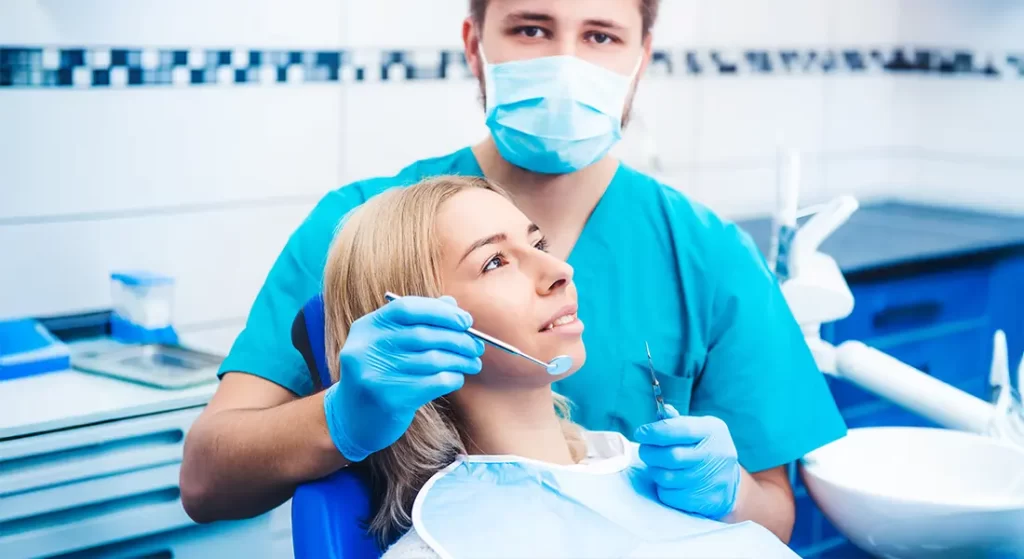
Retargeting works because it creates familiarity over time. When someone sees your clinic’s name, logo, and message repeatedly over a period of 30 to 120 days, you stop feeling like a random website they visited once. You start to feel recognisable, trusted, and established.
This repeated exposure keeps your clinic present in their everyday digital world. You appear while they’re scrolling social media, reading the news, or watching videos, which subtly reinforces your presence without pressure. Even when they’re not actively thinking about booking, your clinic stays top of mind.
By the time they’re ready to take action, your clinic feels like the obvious choice. People naturally choose services that feel familiar and safe, especially when it comes to healthcare. Retargeting doesn’t force decisions it gently builds confidence until booking feels natural.
Messaging That Works Best for Dental Retargeting
Retargeting is not about hard selling. It works best when it focuses on reassurance, education, and trust, helping patients move forward at their own pace.
Stage 1: Awareness Retargeting
At this stage, the goal is simply to keep your clinic visible and familiar. Patients are not ready to book yet, so the messaging should build credibility and confidence without pressure. This is where social proof, awards, patient reviews, before-and-after images, and overall clinic quality work best.
Typical messages might include:
“See why over 700 patients trust us for Invisalign.”
“Delivering leading implant results in your local area.”
Stage 2: Consideration Retargeting
Here, the aim is to reduce fear and address common objections. Patients are actively thinking about treatment but may be worried about pain, cost, or commitment. Messaging should focus on reassurance, flexible payment options, and ease of booking.
Effective messages include:
“Nervous? We specialise in gentle, comfortable dentistry.”
“Invisalign from £X per month book your free consultation.”
Stage 3: Action Retargeting
At this final stage, the goal is to encourage booking. Patients already trust you and just need a small nudge. Messages can introduce urgency, limited availability, or a clear call to action.
Examples include:
“Only three Invisalign consultations available this week.”
“Book your whitening appointment today.”
When structured correctly, retargeting messaging gently guides patients from awareness to action without pressure, and without feeling sales-driven.
Creative Formats That Convert Best
Retargeting ads work best when the creative feels human, reassuring, and easy to understand. While many formats are available from static images to videos and carousels dentistry performs best when the content focuses on real results and real people rather than polished, corporate-style visuals.
Before-and-after photos consistently convert because they answer the patient’s biggest question instantly: “Will this work for me?” Testimonial videos and written reviews also perform extremely well, as they reduce anxiety and build trust by showing that others have had positive experiences with your clinic.
Explainer animations, simple offer graphics, and short clinician introduction videos help patients feel informed and comfortable. Seeing the dentist speak directly to camera or understanding a treatment in plain language makes the decision feel safer. In dental retargeting, reassurance always outperforms hard selling.
Budgets: How Much Should Dental Clinics Spend on Retargeting?
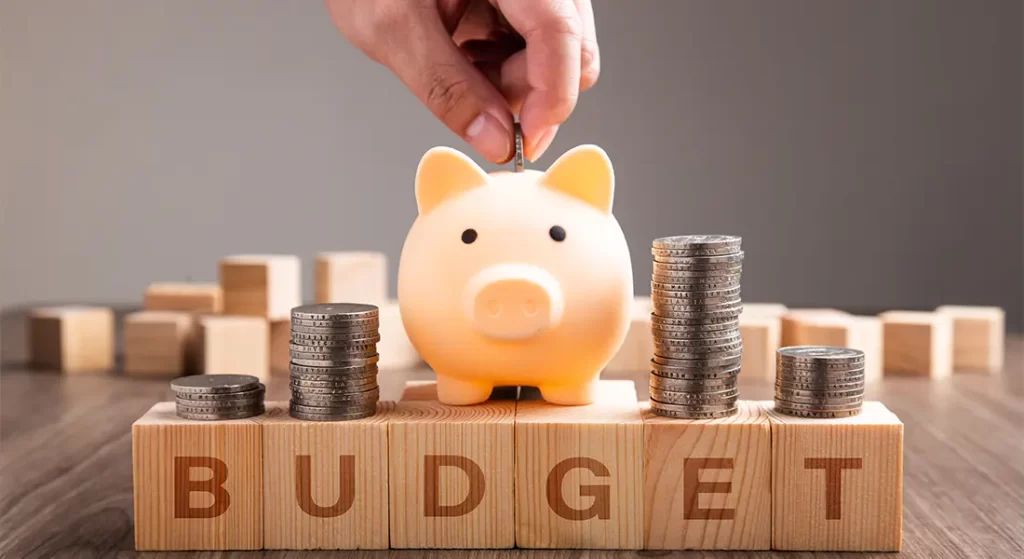
Retargeting doesn’t need a huge budget to be effective because you’re advertising to a much smaller, warmer audience. These are people who have already visited your website, viewed a treatment page, or engaged with your ads which is why costs are significantly lower than cold traffic campaigns.
In most cases, retargeting clicks cost a fraction of standard ads, often between £0.10 and £1, compared to £1–£15 per click for cold campaigns. This makes retargeting one of the most cost-efficient ways to recover lost leads and increase overall conversion rates without increasing your total ad spend.
As a general guide, small clinics usually see strong results with £150–£300 per month, while medium-sized practices benefit from £300–£700. Larger clinics may invest £1,000–£2,000, and multi-location practices often scale to £2,000–£5,000. Because the audience size is capped, it’s very difficult to overspend the system naturally limits itself.
Where Retargeting Fits in a Complete Lead-Generation System
Retargeting sits in the middle of your lead-generation system and connects all the moving parts. First, traffic is driven to your clinic through Google ads, SEO, and social media. These visitors land on focused, high-converting pages designed to explain treatments clearly and build trust but most won’t book straight away.
This is where retargeting does its real work. Instead of letting interested visitors disappear, retargeting keeps your clinic visible through follow-up ads across platforms. It reminds people who you are, reinforces credibility, and brings them back when their motivation is higher.
Once they return, the system pushes them towards action through online booking or lead forms, followed by email automation, reminders, and human follow-up. Each step removes friction and increases confidence, making it easier for patients to commit.
Retargeting for High-Value Dental Treatments
Retargeting becomes especially powerful when it’s tailored to the specific mindset behind each high-value treatment. Different treatments involve different levels of consideration, urgency, and emotional triggers and your ads should reflect that.
Invisalign retargeting works best when it focuses on reassurance and long-term value. Prospective patients want to see real transformations, hear from people like them, and understand affordability. Before-and-after results, patient testimonials, clinician-led videos, finance messaging such as “from £X per month,” and free consultation ads consistently perform well. Because Invisalign is a considered purchase, the ideal retargeting window is usually 30–180 days.
Dental implant retargeting requires more education and trust-building. Patients are often anxious about pain, cost, and permanence. Strong before-and-after images, simple 3D animations explaining the process, transparent cost guidance, pain-free messaging, and emphasis on long-term benefits work best. Implant decisions take time, so a longer audience window of 60–180 days is ideal.
Veneers and smile makeover retargeting is highly visual and emotionally driven. These patients respond to aesthetic-led before-and-after results, confidence-focused messaging, clinician introductions, and detailed case studies. The decision cycle is shorter than implants but longer than whitening, making a 30–120 day retargeting window most effective.
Whitening retargeting is fast-moving and offer-led. Patients want quick results and convenience. Ads that highlight speed, comparisons (“whiter in one visit”), limited-time offers, and easy weekend bookings convert best. Because intent is short-lived, the optimal audience window is much smaller typically 7–30 days.
The Biggest Mistakes Clinics Make With Retargeting
Retargeting can be incredibly effective, but only when it is done correctly. These common mistakes can cost clinics thousands in lost revenue by wasting budget and missing high-intent patients.
1. Only running retargeting for seven days
A one-week retargeting window is far too short for most dental decisions. Patients often need weeks or months to feel ready, especially for high-value treatments, so stopping early means losing warm leads.
2. Using generic ads for all visitors
Showing the same advert to everyone reduces relevance. Retargeting must be tailored by treatment, such as Invisalign, implants, or whitening, to reflect what the patient actually showed interest in.
3. Not excluding existing patients
Failing to remove current patients from retargeting audiences wastes budget by advertising treatments to people who have already booked or completed care.
4. Not using video content
Video builds trust and familiarity far faster than static images. Clinics that rely only on image ads often miss the emotional reassurance patients need before booking.
5. Driving retargeting traffic to the wrong landing page
Sending an Invisalign visitor to a general dentistry page breaks momentum. Patients should always land on the most relevant treatment page to maintain interest and increase conversions.
6. Not setting frequency limits
If patients see the same advert too many times, they become blind to it or irritated. Frequency capping ensures your messaging stays effective rather than annoying.
7. Having no tracking system in place
Without proper tracking, you cannot see which adverts lead to bookings. This makes it impossible to refine messaging, budgets, or targeting over time.
Avoiding these mistakes ensures your retargeting campaigns remain relevant, cost-effective, and conversion-focused, helping your clinic capture patients who are already interested but not yet ready to book.
FAQs:
1. What are retargeting ads for dental clinics?
Retargeting ads are digital advertisements shown specifically to people who have already visited your dental website or interacted with your online content. Instead of targeting new, cold audiences, retargeting focuses on re-engaging visitors who showed interest but did not book, helping clinics stay visible while patients are still deciding.
2. Why don’t most dental patients book on their first website visit?
Most dental decisions involve hesitation, anxiety, and comparison. Patients often want time to research treatments, check reviews, compare clinics, or think about costs before committing. Retargeting helps bridge this gap by keeping your clinic visible during this consideration period instead of losing the lead entirely.
3. Are retargeting ads effective for dental clinics?
Yes, retargeting ads are one of the most effective strategies in dental marketing because they target warm audiences who already recognise your clinic. These users are significantly more likely to convert than first-time visitors, making retargeting both cost-efficient and highly effective for recovering missed enquiries.
4. Which dental treatments benefit most from retargeting ads?
High-consideration treatments such as Invisalign, dental implants, veneers, cosmetic dentistry, and whitening benefit most from retargeting. These treatments usually involve longer decision cycles, and retargeting allows clinics to stay top of mind while patients take time to feel confident about booking.
5. Where do dental retargeting ads appear online?
Dental retargeting ads can appear across platforms such as Google Display Network websites, Facebook, Instagram, YouTube, mobile apps, Gmail, and various news and content sites. From the patient’s perspective, this feels natural, as your clinic simply continues to appear while they browse online.
6. How long should a dental clinic run retargeting ads for each patient?
The ideal retargeting duration depends on the treatment type. Emergency dentistry requires short windows, while Invisalign, implants, and veneers often need retargeting over several months. Longer decision cycles benefit from extended retargeting periods to build trust and familiarity gradually.
7. Do retargeting ads feel intrusive to patients?
When done correctly, retargeting does not feel intrusive. Instead, it feels familiar and reassuring. Dental retargeting works best when messaging is calm, informative, and supportive rather than aggressive or sales-driven, helping patients feel more comfortable over time.
8. How much budget do dental clinics need for retargeting ads?
Retargeting typically requires a smaller budget than cold advertising because the audience size is limited to people who have already visited your website. Many clinics see strong results with relatively modest monthly budgets, making retargeting one of the most cost-effective digital marketing strategies available.
9. Can retargeting ads reduce wasted marketing spend?
Yes, retargeting reduces wasted spend by focusing advertising on users who have already shown interest in your services. Instead of paying repeatedly to attract new visitors, clinics maximise the value of existing traffic and recover leads that would otherwise be lost.
10. Should retargeting be part of a wider dental marketing strategy?
Retargeting works best when integrated into a complete marketing system that includes Google Ads, SEO, landing pages, online booking, and follow-up automation. When combined, these elements guide patients smoothly from first visit to final booking, increasing conversions and long-term growth.
Final Thoughts: How Retargeting Fits Into a Complete Dental Marketing Strategy
Retargeting isn’t just another ad tactic it’s a critical part of turning interested visitors into booked patients. When done correctly, it keeps your clinic visible throughout the decision-making journey, builds trust, and nudges patients toward action without feeling pushy. The most effective campaigns combine clear messaging, relevant creative, and the right timing for each treatment type, ensuring you capture leads who might otherwise slip away.
By integrating retargeting with your broader marketing efforts from search ads and social media campaigns to high-converting landing pages and follow-up systems you create a seamless patient journey. This approach not only improves conversion rates but also maximises the value of your marketing spend, especially for high-consideration treatments like Invisalign, implants, and cosmetic procedures.
At Clinic Engine, our dental marketing company helps clinics build fully integrated ecosystems that combine strategic retargeting, precise audience targeting, and patient-focused communication. We work closely with practices to optimise campaign performance, enhance landing pages, and implement systems that turn enquiries into confirmed bookings, ensuring your marketing delivers consistent, predictable results.