
Most dental clinics never think about LinkedIn as a marketing channel. Platforms like Facebook, Instagram, and Google Ads tend to dominate the conversation because they are more obviously “patient-facing.” But LinkedIn plays a very different role and for private practices, specialist clinics, cosmetic dentists, practice owners, and referral-based services, it can quietly become one of the most valuable platforms you use.
You may think LinkedIn is only for job hunters or corporate networking, but the platform has evolved into a major hub for decision-makers, healthcare professionals, business owners, insurers, and high-earning individuals who actively look for experts they can trust. When you use LinkedIn intentionally and consistently, you can build credibility, develop referral pathways, attract partnership opportunities, and position your clinic as a premium provider in your region.
In this guide, I want to show you what LinkedIn does well, what it doesn’t, and how you can use it as part of your wider patient-generation strategy. This isn’t about vanity metrics or posting generic content. It’s about strategic positioning something that matters even more now that private dentistry is becoming increasingly competitive.
Why LinkedIn Works Differently From Other Social Platforms
LinkedIn works very differently from other social platforms because it isn’t built for entertainment or casual scrolling. People use it with a clear purpose: to learn, network, and connect with trusted professionals. This mindset makes LinkedIn a powerful platform for dentists.
When someone visits your LinkedIn profile, they’re not searching for discounts or dramatic before-and-after photos. They’re looking for authority, experience, and reassurance. They want to see whether you are established, credible, and respected within your profession.
This is why LinkedIn is especially effective for dentists who want to position themselves as leaders, attract higher-quality patients, or build professional credibility. It also works well for clinics seeking referrals from GPs, cosmetic practitioners, or other local professionals.
Over time, LinkedIn becomes a long-term credibility engine rather than a quick lead source. It strengthens trust across all your other marketing channels and works particularly well when supported by a specialist dental marketing company.
What LinkedIn Is Actually Good At for Dentists
LinkedIn isn’t designed for quick wins or instant patient enquiries. Instead of generating high volumes of cosmetic leads overnight, it plays a much more strategic role in dental marketing.
For dentists, LinkedIn is best used as a platform to build authority, strengthen professional credibility, and support long-term growth. When used correctly, it serves four key objectives that help position you and your practice at a higher level.
1. Professional Positioning: When people search your name online, your LinkedIn profile often appears at the top of the results. A professional, active profile immediately reinforces trust in both you and your clinic. By showcasing your experience, training, special interests, memberships, certifications, and advanced case work (shared ethically), you position yourself as someone who takes dentistry seriously and values high standards of care.
2. Referral Pathways: LinkedIn is widely used by GPs, physiotherapists, pharmacists, aesthetic practitioners, and other healthcare professionals who regularly look for trusted referral partners. When you consistently share content about areas such as implants, gum disease, orthodontics, TMJ, sedation, airway dentistry, or emergency care, you naturally become the dentist they think of when a patient needs specialist support.
3. Premium Patient Attraction: High-earning professionals are highly active on LinkedIn and tend to research providers thoroughly before committing to private treatments. When they see your expertise, thoughtful content, patient stories, and professional presence, trust builds before they ever contact your clinic. This makes LinkedIn especially effective for attracting patients interested in Invisalign, implants, veneers, and long-term private care.
4. Recruitment and Employer Branding: Recruiting skilled associates, hygienists, nurses, and front-of-house staff has become increasingly competitive. LinkedIn is one of the strongest platforms for attracting ambitious dental professionals who want to work in progressive practices. By sharing content about your clinic culture, standards, technology, training, growth, and team stories, you position your practice as a place people genuinely want to be part of.
What LinkedIn Is Not Good At

Understanding the limitations of LinkedIn is just as important as understanding its strengths. Many clinics waste time on the platform by expecting it to behave like Facebook or Instagram. LinkedIn has a very different user mindset, and it’s not built for fast, transactional marketing.
LinkedIn is not well suited for:
- Running discount-based offers: Price-led promotions feel out of place on LinkedIn and often damage perceived professionalism rather than driving enquiries.
- Fast patient acquisition: Most users are in a work-focused mindset, not actively looking to book dental treatment immediately.
- Large volumes of low-intent leads: Engagement tends to be smaller but more considered, making it unsuitable for clinics chasing high lead volume.
- Viral or entertainment-focused reels: Trend-driven content and humour-led videos rarely perform well compared to informative or thought-leadership posts.
- Posting multiple times a day: High posting frequency can reduce reach and credibility, as LinkedIn favours quality over quantity.
LinkedIn works best as a long-term reputation and authority platform. It allows dentists to demonstrate expertise, share professional insight, and build trust gradually with peers, referrers, and potential patients.
It’s not designed to deliver instant bookings. Instead, LinkedIn supports credibility, visibility, and professional positioning, which can influence referrals and patient decisions over time especially when combined with faster-moving channels like Google and Facebook.
How Dentists Should Use LinkedIn (What Actually Works)

To use LinkedIn effectively, dentists need a clear, simple, and consistent approach rather than sporadic posting. The goal isn’t to spend hours creating content, but to show up regularly with purpose and professionalism.
When used correctly, LinkedIn becomes a long-term tool for building credibility, strengthening referrals, and supporting practice growth. With the right system in place, even minimal weekly effort can deliver meaningful results.
1. Optimise Your Profile First: Your LinkedIn profile acts as your digital first impression. When someone visits it, they should immediately understand who you are, where you practise, and what you specialise in. Your role, clinic name, location, qualifications, and areas of expertise should be clearly visible, supported by a friendly professional photo and a clean banner image. The About section should sound confident, human, and reassuring, not like a clinical CV.
2. Share Insight, Not Marketing Posts: LinkedIn users are not there to see advertisements, which is why overtly promotional posts are usually ignored. Content such as appointment availability, price lists, or generic dental advice rarely performs well. Instead, focus on sharing insight from your experience common patient misunderstandings, treatment concerns, or real stories from practice. This type of content builds credibility and positions you as a trusted expert.
3. Engage With Local Professionals: LinkedIn is a networking platform, not a broadcasting tool. Regularly engaging with posts from local GPs, pharmacists, fitness professionals, clinic owners, HR managers, and business leaders helps increase visibility and trust. Thoughtful comments and genuine interaction often lead to referrals over time, without the need for direct promotion.
4. Build “Micro Authority” Through Comments: Comments on LinkedIn are often more powerful than posts themselves. When you contribute meaningful insights to discussions around healthcare, wellness, or business, people notice. Many will click through to your profile, where trust begins to form. Consistent, helpful commenting gradually builds authority within your professional community.
5. Share Behind-the-Scenes Insights: People connect with people, not just services. Sharing behind-the-scenes moments from your practice team activities, new equipment, daily routines, or reflections on patient care makes your clinic feel approachable and trustworthy. This human element helps potential patients feel comfortable with you before they ever get in touch.
6. Use LinkedIn for Partnerships: LinkedIn is an excellent platform for building professional partnerships with corporate organisations, gyms, aesthetic clinics, HR departments, and insurance providers. These relationships often bring higher-quality, long-term referrals while strengthening your clinic’s reputation. Used well, LinkedIn helps position you as a respected local authority rather than just another dental provider.
Does LinkedIn Generate Actual Patients?

Yes, LinkedIn does generate actual patients, but it works very differently from platforms like Facebook or Google. Rather than producing instant enquiries, LinkedIn builds long-term authority and professional credibility. This leads to indirect enquiries, referrals, second-opinion requests, cosmetic consultations, implant enquiries, and stronger professional confidence in your clinic.
When someone repeatedly sees your expertise, insights, and professional presence, they begin to trust you before ever making contact. They research you further, visit your website, read reviews, and eventually book. This process may take days, weeks, or even months, but it creates a much stronger foundation for decision-making.
Patients who come through LinkedIn are typically more serious about treatment. They arrive better informed, ask more thoughtful questions, and are far less price-driven than patients who respond to short-term offers or ads.
These patients are also more likely to choose private care, follow treatment plans, and stay with your clinic long term. For practices focused on sustainable growth and quality patients, LinkedIn delivers some of the most valuable enquiries you can attract.
When LinkedIn Isn’t Worth It for Dentists
LinkedIn can be a powerful platform for building credibility and attracting high-value patients, but it isn’t suitable for every dental practice. It requires time, consistency, and a focus on professional authority. If your clinic isn’t prepared to invest in these areas, other channels will likely deliver better short-term results.
LinkedIn may not be right for you if:
- You only want fast, inexpensive leads: LinkedIn rarely generates instant bookings. Unlike Google or Facebook Ads, which can drive immediate traffic, LinkedIn works slowly, building trust and awareness over weeks or months. If your priority is immediate, low-cost enquiries, other platforms are more effective.
- You rely heavily on offers, discounts, or promotions: The platform is geared towards professional engagement rather than price-based marketing. Patients on LinkedIn respond to your expertise, insights, and thought leadership, not promotional deals.
- You don’t post, comment, or engage consistently: LinkedIn rewards visibility and interaction. Posting irregularly or rarely engaging with others means your content will reach very few people, and the platform’s algorithm won’t favour your profile.
- You want quick conversions rather than long-term positioning: LinkedIn builds patient trust over time. If your goal is to see a spike in bookings this month, it may not be the right primary channel. Its strength lies in establishing authority and staying top-of-mind for when patients are ready to invest in care.
- Your private practice isn’t ready for premium patient expectations: LinkedIn attracts patients who expect professionalism, high-quality communication, and a polished service experience. If your website, consultation process, or patient journey isn’t fully refined, your conversion rate may be lower than on platforms where patients are less discerning.
- You’re not prepared to invest time in education and thought leadership: LinkedIn works best when you share knowledge, insights, and case studies. If you’re unwilling or unable to demonstrate your expertise publicly, you won’t gain traction.
- Your clinic relies on volume over quality: LinkedIn attracts patients who value long-term care and premium services. If your business model is focused on high patient volume or low-cost treatments, the platform may not deliver the return you need.
If you fall into one or more of these categories, Facebook Ads or Google Ads will generally be more effective, delivering faster, more predictable results. LinkedIn shines when your goal is long-term positioning, professional authority, and attracting patients who value expertise, trust, and quality care.
However, LinkedIn IS worth it if
LinkedIn is highly valuable for dentists whose goals extend beyond immediate patient enquiries. It’s particularly effective if you want to establish authority in your region, attract reliable referral partners, and draw high-value private patients who are serious about their dental care.
The platform also supports the growth of your cosmetic or implant brand, helping you showcase expertise, share case studies ethically, and demonstrate professional excellence. At the same time, LinkedIn is a powerful tool for recruitment, allowing your clinic to attract skilled associates, hygienists, and team members who are aligned with your standards and culture.
By consistently sharing insights, achievements, and educational content, you build long-term, organic trust with both patients and peers. This credibility reinforces your reputation, making potential patients more likely to choose your clinic over competitors and encouraging other professionals to refer patients to you confidently.
LinkedIn also amplifies the impact of all your other marketing efforts. It strengthens your online presence, supports your advertising campaigns, and enhances your professional credibility.
How LinkedIn Fits Into the Bigger Picture
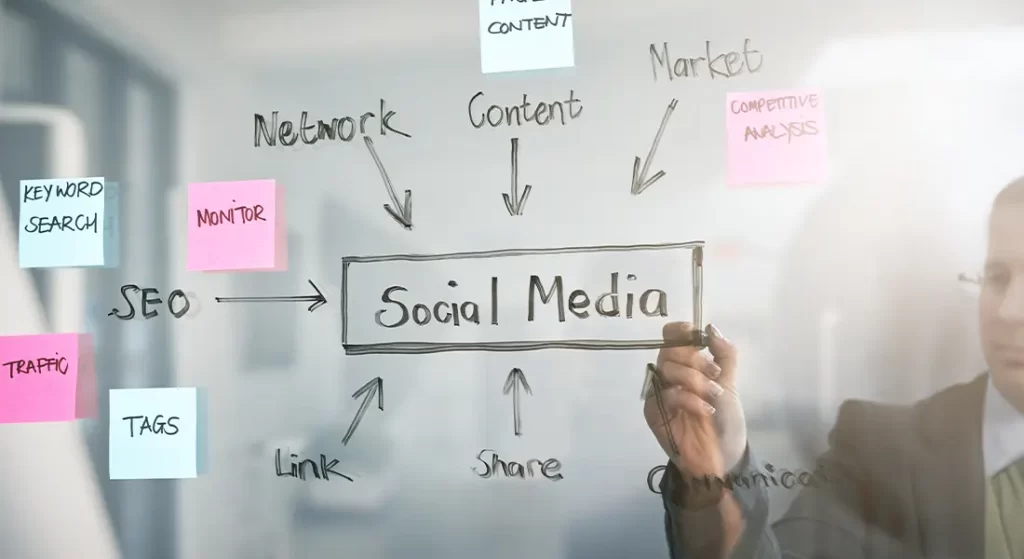
LinkedIn alone won’t fill your appointment book and it shouldn’t. Its strength lies in building authority, credibility, and long-term trust, rather than generating immediate leads. However, when integrated with other marketing channels, LinkedIn strengthens your entire marketing ecosystem, making every other channel more effective.
Here’s how each channel works together:
1. Google Ads – captures active demand
Targets patients actively searching for treatments and ready to book immediately.
2. Facebook Ads – generates interest
Creates awareness among local audiences and encourages them to consider your services before they start searching.
3. Instagram – builds brand personality
Showcases your clinic, staff, and results visually, helping potential patients feel familiar and comfortable with your practice.
4. Website – converts leads
Acts as the hub where all your channels come together. A clear, user-friendly website ensures visitors take the next step, whether that’s booking an appointment or submitting an enquiry.
5. Email – nurtures enquiries
Keeps potential patients engaged over time, providing helpful information, reminders, and updates that encourage them to return.
6. LinkedIn – builds long-term professional authority
Positions you as a trusted expert in your field, making patients more likely to choose your clinic when they are ready to invest in care. It strengthens your reputation with both patients and professional peers, creating indirect referrals and second-opinion requests.
This is the exact framework used by specialist dental marketing companies to ensure consistent growth. LinkedIn sits at the top of the funnel, increasing trust, credibility, and brand recognition. By establishing authority on this platform, your other channels convert better, faster, and with higher-quality patients, creating a fully integrated and effective marketing strategy.
FAQs:
1. Can dentists really attract patients through LinkedIn?
Yes, dentists can attract patients through LinkedIn, but it works differently from platforms like Facebook or Google Ads. LinkedIn is more about building long-term credibility and professional authority than generating immediate enquiries. Patients who find your content informative and trustworthy are more likely to research your clinic, ask for referrals, or book appointments when they are ready. The platform nurtures high-value, serious patients over time rather than quick leads.
2. Do I need to post about my clinic to get results?
Not necessarily. LinkedIn users respond better to insight and professional content rather than promotional posts. Sharing your experience, case studies, or general dental advice positions you as an expert. When people see that you are knowledgeable and engaged, they may check your profile and discover your clinic naturally. Subtlety and consistency matter more than direct marketing.
3. How should dentists present themselves on LinkedIn?
It’s important to present yourself as a credible professional with a clear, approachable profile. Use a professional photo, list your qualifications, specialisations, and clinic information, and write an About section that is confident yet human. Your profile should reassure visitors of your expertise, experience, and approachability, making them more likely to trust your advice and consider your services.
4. Which types of content work best for dentists on LinkedIn?
Content that shares insights, educates, and builds credibility performs best. You can post about common treatment concerns, patient misconceptions, case studies (ethically), or reflections on dental care. Behind-the-scenes stories, professional achievements, and reflections on patient experiences also help create a human connection. Avoid price-based promotions or overt advertising, as these are generally ignored or can reduce perceived professionalism.
5. Can LinkedIn generate immediate bookings?
LinkedIn is not built for fast, transactional marketing. Most users are in a professional mindset and are not actively looking to book treatments instantly. Instead, LinkedIn gradually builds trust and authority, leading to enquiries, referrals, and consultations over weeks or months. The patients attracted this way are typically well-informed, serious about care, and value quality over cost.
6. Is LinkedIn good for referrals and partnerships?
Absolutely. LinkedIn is widely used by GPs, aesthetic practitioners, pharmacists, and other professionals who may refer patients. By engaging with these peers, commenting thoughtfully, and sharing relevant insights, you can become a trusted partner for referrals. Over time, professional connections and partnerships formed on LinkedIn can significantly boost patient flow to your clinic.
7. How often should dentists post or engage on LinkedIn?
Consistency is more important than volume. Even minimal weekly effort, such as posting once and commenting on a few relevant discussions, can build meaningful authority over time. Engaging regularly with other professionals, offering insights, and participating in conversations increases your visibility and credibility without needing to spend hours creating content.
8. Is LinkedIn useful for recruiting dental staff?
Yes, LinkedIn is highly effective for recruitment. Many dental professionals actively use the platform to explore career opportunities. Sharing content about your clinic culture, training, growth, and technology helps attract skilled associates, hygienists, and team members who are aligned with your standards. A professional LinkedIn presence signals that your practice is progressive and desirable to work in.
9. When might LinkedIn not be worth the effort?
LinkedIn may not be the best choice if you are seeking fast, inexpensive leads, rely heavily on discounts, or don’t have the time to post and engage consistently. It is also less suitable if your practice isn’t ready to meet the expectations of premium patients or if your goal is immediate conversions rather than long-term positioning. For short-term patient acquisition, channels like Google Ads or Facebook often deliver faster results.
10. How does LinkedIn fit into a wider dental marketing strategy?
LinkedIn works best as part of a larger marketing ecosystem. While other channels like Google Ads, Facebook, Instagram, and email focus on immediate bookings, awareness, and nurturing leads, LinkedIn strengthens your credibility and professional authority. This long-term trust makes your other channels more effective, attracts higher-quality patients, supports referrals, and reinforces your reputation as a premium, trustworthy dental provider.
Final Thought: Using LinkedIn to Build Long-Term Authority and Referrals
LinkedIn isn’t about quick wins or chasing high volumes of leads it’s about strategically positioning your clinic as a trusted, expert provider. When your profile is optimised, your content shares genuine insights, and you engage thoughtfully with local professionals, LinkedIn gradually builds authority, strengthens referral pathways, and attracts high-value private patients who are serious about care.
By integrating LinkedIn with other marketing channels like Google Ads, Facebook, Instagram, and email, you create a comprehensive system where every touchpoint reinforces trust and credibility. This approach not only supports patient acquisition but also enhances recruitment, partnership opportunities, and your clinic’s reputation over time.
At Clinic Engine, our dental marketing company helps practices implement LinkedIn as part of a wider, patient-focused marketing strategy. We guide clinics on profile optimisation, content planning, and engagement techniques to ensure LinkedIn becomes a reliable tool for building authority, attracting referrals, and driving sustainable growth.