

Most dentists who run Google Ads experience the same frustration: lots of clicks, lots of spend, but not enough bookings. The problem isn’t the platform. The problem is the way most dental PPC campaigns are set up. They target the wrong keywords, attract the wrong patients, and send people to landing pages that don’t inspire trust or action.
But when PPC is done properly using high-intent strategies, clear messaging, and patient-focused landing pages it becomes one of the best ways to generate reliable, ready-to-book enquiries for treatments like Invisalign, implants, whitening, and cosmetic dentistry.
In this guide, I’ll show you exactly how to build PPC campaigns that actually work for dentists. Not broad campaigns. Not wasted budget. Not “spray and pray” advertising. Actual high-intent systems designed to attract people who want treatment now.
Why Most Dental PPC Campaigns Fail Before They Even Start

Most problems begin at keyword level the foundation of any PPC campaign. When you target broad terms like “dentist near me” or “family dentist”, your ads appear in front of people who may not be looking for private treatments.
There are several core mistakes that almost every struggling PPC campaign makes. Understanding these mistakes helps you build more effective campaigns moving forward.
Common failures in dental PPC (each in one sentence):
- Broad keywords – Attract low-intent searchers who are unlikely to book private treatments, wasting budget on clicks that don’t convert.
- Incorrect match types – Allow ads to appear for irrelevant or overly expensive searches, further reducing campaign efficiency.
- Sending traffic to the homepage – Reduces conversions because visitors land on a generic page instead of a focused treatment-specific landing page that guides them to book.
- Generic ad copy – Fails to connect with the emotions or desired outcomes patients care about most, such as confidence, comfort, or aesthetics.
- Weak CTAs – Give visitors no compelling reason to take action immediately, allowing them to leave and explore competitors.
- Over-spreading the budget across too many treatments – Prevents any single campaign from gathering meaningful data, resulting in underperforming ads across the board.
- A lack of retargeting – Means warm prospects who showed interest previously are lost, missing an opportunity to convert them at a lower cost.
- Slow or inconsistent follow-up from reception – Even high-quality leads can be lost if enquiries aren’t responded to promptly and professionally.
These issues can quietly drain hundreds or thousands of pounds from your PPC budget each month without producing meaningful bookings. The good news is they’re easy to fix once you build a campaign designed around high-intent patient behaviour.
What “High-Intent” Really Means in Dental PPC

High-intent doesn’t simply mean someone is searching for a dental treatment it means they are mentally, emotionally, and practically ready to take action. These patients already recognise their dental problem, understand the benefits of treatment, and are actively comparing private clinics. They are far past the awareness stage and are now focused on making a decision, which makes them significantly more likely to book and proceed with treatment.
High-intent searches include phrases such as “Invisalign price London,” “replace missing tooth dental implant,” “composite bonding near me,” or “fix chipped front tooth fast.” These search terms show urgency, intent, and a willingness to invest. These patients aren’t browsing or collecting information they’re choosing a provider. A well-built high-intent PPC campaign positions your clinic as the safest, most trustworthy choice at the exact moment they’re ready to book.
Step 1: Choose High-Intent Keywords That Attract Ready-to-Book Patients
Choosing the right keywords is the foundation of any successful dental ad campaign. The keywords you select determine whether your advertising budget reaches patients who are genuinely ready to book or simply people who are casually browsing. Targeting the right terms ensures that your clinic appears in front of those actively looking for the treatments you offer, increasing the likelihood of immediate enquiries and conversions.
- High-intent keywords like treatment + location terms help you reach patients who are actively searching for a private provider in your area. Adding location-specific terms increases the likelihood of attracting local patients who are ready to book.
- Problem-based keywords target people who are looking for solutions to a specific dental concern and are already motivated to take action. This approach ensures your ads speak directly to patients experiencing the issues your treatments solve.
- Urgency-driven keywords capture patients who need immediate help and are often the fastest to convert. Including time-sensitive phrases can encourage patients to act quickly, boosting conversion rates.
- Exact and phrase match types keep your ads focused on high-quality searches, while negative keywords block irrelevant traffic. This combination helps maximise ROI by showing your ads only to the most relevant audience.
This structured approach ensures your campaign consistently attracts patients who are ready for treatment now. A well-planned keyword strategy turns your ad spend into tangible bookings rather than wasted clicks.
Step 2: Write Ad Copy That Speaks to Patient Psychology, Not Dental Features

Your ad copy should make patients feel understood, reassured, and motivated. While many clinics focus on listing procedures, the most effective ads highlight why the treatment matters to the patient, connecting with their needs and concerns on a personal level.
Outcome-focused language works best because patients care more about the results they will achieve than the technical details of a procedure. Framing your ads around the benefits and transformations patients can expect makes your messaging more compelling and relatable.
Emotional cues are powerful because dental decisions often involve confidence, discomfort, or self-image. Ads that acknowledge these feelings and show understanding convert more effectively, while trust-building statements prove that your clinic is experienced, reliable, and credible.
Meaningful calls-to-action guide patients toward the next step, clearly showing what they gain by enquiring. Ad extensions further enhance visibility and credibility, improving click-through rates and making your ads feel like helpful solutions rather than generic sales messages.
Step 3: Build a Landing Page That Converts High-Intent Visitors
Even the best ad copy and keywords won’t deliver results if your landing page isn’t optimised. A high-converting landing page guides visitors step by step toward booking, making the process simple, reassuring, and compelling.
A strong headline immediately confirms to visitors that they’re in the right place for their treatment, while a short introduction builds trust by highlighting the benefits and value of choosing your clinic.
Social proof, such as patient stories, reviews, and before–after images, reassures visitors and reduces hesitation. Clearly explaining the treatment process helps new patients feel confident and understand what to expect.
Compelling offers accelerate decisions, repeated CTAs provide obvious next steps wherever visitors scroll, and fast, mobile-optimised performance prevents drop-offs from people browsing on phones. This structured approach turns interest into decisive action, maximising the impact of your PPC campaigns.
Step 4: Use Advanced Targeting to Refine the Quality of Your PPC Leads
Targeting ensures your ads reach people who are most likely to convert, improving both efficiency and lead quality. By reaching the right audience, your clinic spends less on clicks that don’t convert and attracts patients who are genuinely interested in your services.
Targeting strategies:
- Demographic filters – Help you reach people most likely to invest in private cosmetic or restorative dentistry, such as specific age groups, income levels, or locations.
- Retargeting – Brings back visitors who previously engaged with your website but didn’t book, offering reassurance and a gentle nudge toward conversion.
- Lookalike audiences – Expand your reach by finding new users who share characteristics with your best patients, increasing the likelihood of attracting high-quality leads.
- Negative audiences – Prevent your ads from being shown to people who are unlikely to book, such as those outside your service area or not interested in private treatment, saving ad spend and improving ROI.
This layered, data-driven approach ensures your campaigns target the right people at the right time, dramatically improving return on investment and the overall quality of your leads.
Step 5: Use Smart Budgeting Strategies That Reduce Waste and Increase Results

Budgeting isn’t just about how much you spend it’s about how strategically you allocate your resources. High-intent PPC campaigns perform best when every pound is directed toward the areas that drive the highest returns, ensuring your clinic maximises enquiries while minimising waste.
Budget principles:
- Focusing budget on high-value treatments – Prioritising campaigns for services that generate the most revenue ensures each enquiry delivers maximum return on investment.
- Running fewer campaigns – Concentrating your budget on a smaller number of well-optimised campaigns allows data to accumulate meaningfully, improving performance insights and decision-making.
- Scaling slowly – Gradually increasing spend ensures campaigns are genuinely profitable before committing more budget, reducing the risk of overspending on underperforming ads.
- Dayparting – Showing ads only during hours when your clinic can respond promptly improves conversion rates and enhances the patient experience.
- Retargeting allocation – Directing a portion of your budget to warm audiences people who have already engaged with your clinic generally leads to conversions at a lower cost per booking.
By applying these smart budgeting strategies, clinics can eliminate the common “spend more, get less” problem and make every advertising pound count toward meaningful patient enquiries and revenue growth.
Step 6: Track and Optimise Your Campaigns Every Week
PPC campaigns require regular monitoring and refinement to maximise results. Consistent testing and optimisation reduce your cost per lead while increasing conversions, ensuring your ads remain effective and profitable.
Click-through rates reveal whether your messaging resonates with patients, while conversion rates show how effectively your landing page turns interest into enquiries. Cost per click indicates competitiveness and helps guide your bidding strategy, and cost per lead measures the true efficiency of your campaign.
Bounce rate highlights if your landing page delivers on the promises made in your ads, and analysing keyword performance identifies the terms that drive the best patient enquiries. Negative keyword expansion protects your budget by filtering out irrelevant searches.
Regularly testing headlines, calls-to-action, and visuals allows for data-driven improvements that steadily enhance campaign performance. These insights keep your PPC campaigns profitable, consistent, and continuously improving.
How High-Intent PPC and Organic Marketing Work Together
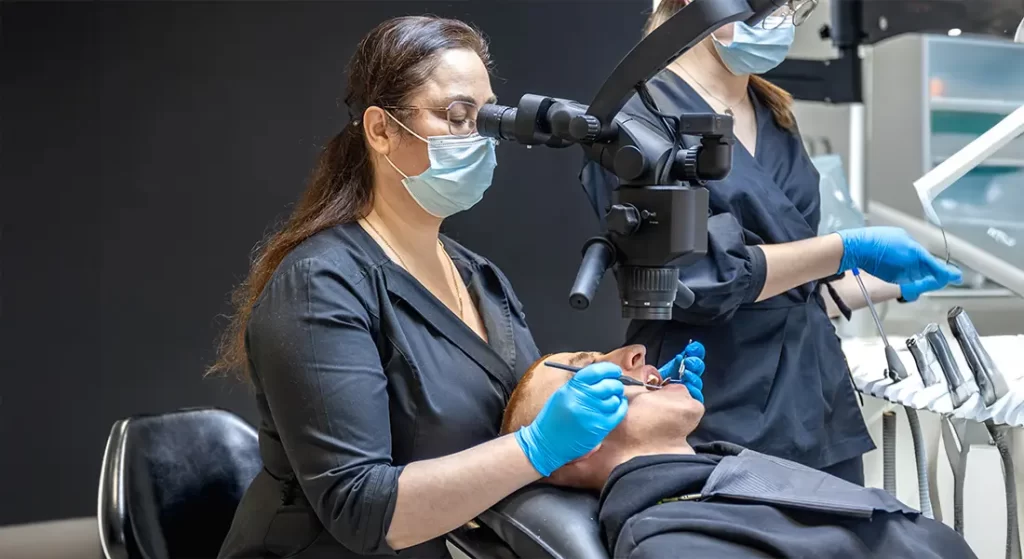
High-intent PPC and organic marketing complement each other perfectly, with PPC generating rapid enquiries while organic content builds trust that lasts.
- High-intent PPC delivers immediate enquiries, fast visibility, and quicker bookings for high-value treatments.
- Organic marketing strengthens brand trust, builds long-term authority, and nurtures stronger patient relationships.
- Clinics that grow consistently use both channels together, often with support from a specialised dental marketing company that understands patient behaviour, PPC cost efficiency, and healthcare compliance.
By combining high-intent PPC with a strong organic strategy, your clinic can enjoy the best of both worlds: immediate patient enquiries and lasting trust. This integrated approach not only maximises your marketing ROI but also ensures sustainable growth, higher-quality patients, and a stronger, more respected brand in the long term.
Why Landing Page Speed Matters More Than Ever in PPC
Even the best PPC campaign can struggle if your landing page is slow, particularly on mobile, where most dental patients search for treatments. Fast-loading pages keep visitors engaged and significantly boost enquiry rates.
Slow pages frustrate users, leading them to leave instantly and wasting your ad spend. Mobile-optimised performance ensures high-intent patients can browse and book without friction. Quick-loading pages also improve Google’s quality scores, which can lower your cost per click over time. A seamless, responsive experience builds trust, helping patients feel confident and motivated to book their appointment.
The Role of Follow-Up Systems in Converting PPC Leads
Many dental clinics lose high-quality PPC enquiries not because their ads are ineffective, but because follow-up is delayed or inconsistent. Implementing a structured follow-up system ensures every lead receives timely attention and moves smoothly toward booking. Quick responses are especially crucial for high-value treatments like Invisalign and dental implants, significantly boosting conversion rates. Automated confirmation messages provide immediate reassurance to patients while also reducing no-shows.
Having clear follow-up scripts allows reception teams to communicate confidently and consistently, while multi-touch reminders keep warm leads engaged until they’re ready to book. Together, these systems turn interested prospects into confirmed patients, maximising the ROI of your PPC campaigns.
Why Patient Psychology Should Shape Every PPC Campaign
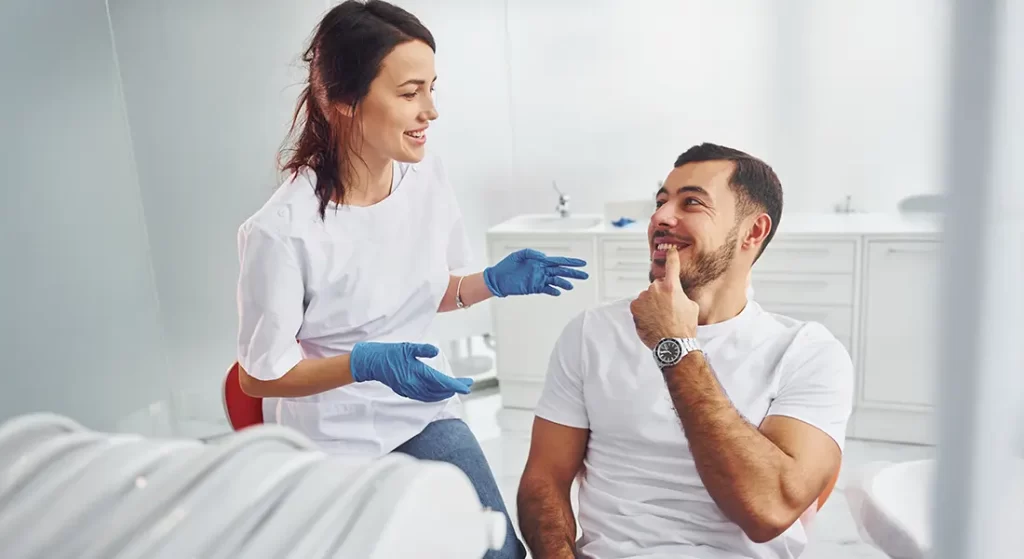
High-intent PPC works best when it aligns with how patients think, feel, and make decisions about private dental treatment. Understanding their motivations helps you create ads and landing pages that speak directly to their concerns.
- Patients respond more strongly to outcome-driven messaging than technical dental terms.
- Confidence, appearance, and urgency are major emotional triggers behind private treatment decisions.
- Reassurance, social proof, and clear next steps reduce hesitation and build trust.
- Messaging that mirrors patient language increases engagement and conversion rates.
By designing your PPC campaigns around patient psychology, you ensure every ad and landing page resonates with real concerns and motivations.
How Consistent Branding Strengthens PPC Results
When your ads, landing pages, and website all look and feel unified, patients immediately trust your clinic more. Consistent visuals and tone create a professional, reliable first impression. This trust translates into higher conversion rates across your entire PPC system.
Familiar branding across ads and landing pages reduces confusion and makes the user experience smoother. Patients are more likely to stay engaged and take action when the journey feels cohesive.
Strong brand messaging also helps your clinic stand out from local competitors. Highlighting your unique approach and values makes patients choose you over alternatives.
Recognisable design elements like logos, colours, and fonts reinforce credibility instantly. Consistency signals professionalism and reassures patients that they are making the right choice.
FAQs
1. What makes a PPC campaign “high-intent” for dental clinics?
A high-intent PPC campaign focuses on searchers who are actively ready to book treatment rather than those casually browsing. These patients are already aware of their problem, understand the value of private dental care, and are simply choosing the right provider. High-intent campaigns use tightly targeted keywords, treatment-specific landing pages, and outcome-driven messaging to attract people who want to take action now.
2. Why do broad keywords perform poorly in dental PPC?
Broad keywords capture a wide range of searches, including people looking for free care, general check-ups, or basic information. Because these people are not ready to invest in private treatments, you waste money on irrelevant traffic. Broad terms also trigger your ads for unrelated queries, driving up cost without delivering qualified leads.
3. How can dentists write ad copy that actually converts?
Effective dental PPC ads are written for patient psychology, not clinical features. Instead of describing procedures, the copy focuses on the outcomes patients want straighter teeth, restored confidence, or quick relief from pain. Including emotional cues and trust signals like experience, reviews, or specialised training helps reassure patients who may already feel anxious.
4. Why is a dedicated landing page better than sending traffic to the homepage?
Homepages are broad and unfocused, covering multiple treatments, clinic details, and navigation paths. When a patient clicks on an advert for Invisalign or dental implants, they expect a page specifically about that treatment. A dedicated landing page delivers exactly that a focused message, structured information, and a single clear goal. It builds trust faster, answers the right questions, and guides visitors directly toward enquiring, which dramatically increases conversion rates compared with general homepages.
5. How important is page speed for PPC results?
Page speed can make or break a dental PPC campaign. If a landing page takes too long to load, especially on mobile devices, visitors leave immediately and your budget is wasted. Google also rewards fast-loading pages with better quality scores, which helps lower your cost per click. Faster pages feel more professional, reduce friction, and give high-intent patients the confidence to stay on the page, read your content, and complete an enquiry form.
6. Why do many clinics struggle with PPC leads even when enquiries are coming in?
The biggest challenge isn’t usually the ads it’s the follow-up. Many dental clinics lose patients because they respond too slowly or inconsistently. High-intent leads expect quick replies, especially for treatments like emergency dental care, implants, or cosmetic dentistry. Without prompt communication, reassurance, and clear next steps, these leads choose another provider. A structured follow-up system improves conversion dramatically and ensures no opportunity is missed.
7. How does retargeting improve dental PPC performance?
Retargeting reconnects with people who visited your landing page but didn’t convert. These visitors are often highly interested but may need more reassurance before taking action. Retargeting ads remind them of your clinic, show additional proof such as reviews or before-and-after images, and bring them back when they’re ready to enquire. Because these audiences already know you, they convert at a much lower cost, helping maximise the return on your existing traffic.
8. Do Google Ads really work for high-value treatments like Invisalign or implants?
Yes, Google Ads are one of the most reliable ways to generate high-value dental enquiries when campaigns are built with a high-intent structure. Patients searching for treatments like Invisalign or implants are often further along in the decision-making process and ready to choose a provider. When your campaign targets the right keywords, uses strong patient-focused messaging, and directs people to a well-optimised landing page, it consistently attracts patients who are prepared to book consultations.
9. How much budget should a dental clinic allocate for PPC?
The ideal budget depends on location, competition, and treatment demand, but what matters most is how efficiently the budget is used. Instead of spreading money across too many campaigns, it’s better to prioritise high-value treatments such as implants, Invisalign, or composite bonding. Starting with a controlled, focused budget allows you to collect meaningful data, refine targeting, and scale only once you see profitable results. Smart allocation always outperforms high spend.
10. Can PPC and organic marketing work together to grow a dental practice?
Absolutely. PPC delivers fast visibility and immediate enquiries, making it ideal for driving short-term growth. Organic content, on the other hand, strengthens authority, builds long-term trust, and supports patient decision-making through helpful information and consistent branding. When both channels work together, clinics experience compounding results PPC captures ready-to-book patients while organic content nurtures those still researching, leading to more stable and predictable growth over time.
Final Thought: Turning PPC Into a Predictable Patient Acquisition System
High-intent PPC isn’t about running more ads or spending more money it’s about understanding what genuinely motivates private dental patients to enquire. When your campaigns use the right keywords, speak to real patient psychology, and send people to landing pages that feel trustworthy and easy to act on, PPC becomes one of the most reliable systems for generating consistent, ready-to-book treatment enquiries.
By refining your targeting, strengthening your messaging, and streamlining the patient journey from search to landing page to reception follow-up, you create a marketing engine that works around the clock. These optimised campaigns not only reduce wasted ad spend but also attract higher-value cases such as Invisalign, implants, and cosmetic treatments, giving your clinic stronger, more predictable growth.
At Clinic Engine, our dental marketing company helps clinics build complete PPC ecosystems that combine data-driven strategy with patient-focused communication. We work closely with practices to improve campaign structure, enhance landing page performance, and implement systems that turn enquiries into confirmed bookings.