
The way patients discover aesthetic clinics is changing fast.
People are no longer relying solely on short Google searches like “aesthetic clinic near me”. Instead, they’re asking conversational, highly specific questions in tools like ChatGPT — often before they ever visit a website.
They’re asking things like which clinic is best for natural-looking injectables, where to go for safe anti-wrinkle treatments, or which aesthetic clinic specialises in subtle, non-surgical results. These questions are detailed, personal, and intent-driven.
If your clinic isn’t appearing in those answers, you’re missing visibility in one of the fastest-growing ways patients research and shortlist providers.
This guide explains how to position your aesthetics clinic so it can be surfaced and referenced by ChatGPT, using clear, practical AI-focused SEO strategies designed for the aesthetics sector that actually work.
How ChatGPT Decides Which Aesthetics Clinics to Recommend
When someone asks ChatGPT to recommend an aesthetics clinic, it is not pulling names from a list or favouring whoever shouts the loudest online.
It is scanning a wide range of information and trying to work out which clinics look credible, clearly defined, and consistently associated with the type of treatment the patient is asking about.
For aesthetic clinics, this matters even more than in surgical settings. Patients are often comparing subtle differences — safety, injector experience, natural results, or expertise with specific skin concerns. If your online presence is unclear, fragmented, or overly promotional, ChatGPT has very little reliable information to draw from.
What makes the biggest difference is how easy your clinic is for AI to understand. That comes down to how clearly you explain what treatments you focus on, what type of patients you treat best, and how consistently that message appears across your website and the wider web.
To make those judgements, ChatGPT looks for a small number of recurring signals that help it assess relevance, credibility, and trustworthiness.
The sections below break down the most important of those signals, and how you can strengthen each in a practical way for an aesthetics clinic.
Factor 1: Clear treatment focus and clinic positioning
One of the first things ChatGPT looks for is whether your clinic has a clear focus.
If your aesthetics clinic appears to offer every injectable, device, and skin treatment with equal emphasis, it becomes difficult for AI to understand when to recommend you. Broad positioning might feel inclusive, but it actually weakens your visibility in AI-driven search.
When a patient asks ChatGPT which clinic is best for natural-looking anti-wrinkle injections, advanced skin rejuvenation, or subtle dermal filler work, the AI needs to be able to connect a clinic name with a specific area of expertise. If that connection is unclear or inconsistent, your clinic is unlikely to be mentioned.
This problem usually comes from generic positioning. Statements such as being a leading aesthetics clinic or offering a wide range of treatments do not tell AI what you are known for, or why you are relevant to a specific question.
What works far better is clear, deliberate positioning around your strongest areas.
Start by identifying the treatments that matter most to your clinic. These are typically the services you perform most often, the areas where your practitioners have the deepest experience, or the results you want to be recognised for. You do not need to remove other treatments, but you do need to be intentional about what you lead with.
Once that is clear, reflect it consistently across your website:
- Make sure your priority treatments are clearly referenced on key pages
- Give each core treatment its own dedicated, detailed page
- Avoid presenting every service with the same level of prominence
Your content should reinforce the same focus throughout. Treatment pages, practitioner profiles, and educational articles should all point back to the same core areas of expertise, using consistent language and framing.
A simple way to check this is to look at your website and ask whether someone unfamiliar with your clinic would quickly understand what you are best known for. If that is unclear, ChatGPT will struggle to place you as well.
The goal is not to restrict your offering, but to make your expertise obvious. That clarity is what allows AI systems to confidently surface your clinic when patients are asking where to go for aesthetic treatments they can trust.
Factor 2: How clearly and thoroughly you explain your treatments
Once ChatGPT understands what your aesthetics clinic focuses on, the next thing it evaluates is how well you explain your treatments.
AI systems are cautious with shallow or overly polished content. Pages that simply highlight benefits, promise results, or rely on marketing language give ChatGPT very little reliable information to reference. As a result, those pages are far less likely to be used when patients ask for recommendations.
When people ask ChatGPT about aesthetic treatments, they are usually looking for understanding rather than reassurance. They want to know whether a treatment is right for them, what the limitations are, how results vary, and what to expect before and after. ChatGPT prioritises content that answers those questions calmly and realistically.
This means your website content needs to move beyond promotional descriptions.
For your core treatment pages, you should clearly explain:
- Who the treatment is suitable for and who it may not be appropriate for
- How the treatment is carried out in practice
- Possible risks, side effects, and limitations, not just positive outcomes
- What results typically look like and how long they take to develop
- What patients should realistically expect during aftercare and recovery
Pages that acknowledge nuance and variability tend to perform better in AI-driven search than pages that suggest every treatment is simple, quick, or guaranteed.
The same principle applies to your educational content. Articles that answer specific patient questions in depth — such as how injectables differ, how long results last, or when treatments should be avoided — are far more useful to ChatGPT than broad, sales-led blog posts. Publishing fewer, more substantial articles will usually have more impact than producing lots of short, generic pieces.
A helpful test is to read your own content and ask whether it genuinely helps someone make a more informed decision. If it feels like it is trying to persuade rather than explain, it is unlikely to support AI recommendations.
Depth does not mean being overly technical or clinical. It means being clear, balanced, and honest. That is the type of content ChatGPT is most comfortable referencing when guiding patients towards aesthetics clinics they can trust.
Factor 3: Practitioner credentials and clinical credibility

Once ChatGPT understands what your aesthetics clinic focuses on and sees that you explain treatments clearly, the next thing it evaluates is credibility.
AI systems are deliberately cautious in medical and aesthetic contexts. When patients ask where to go for injectables, skin treatments, or advanced aesthetic procedures, ChatGPT looks for clear, verifiable signals that a clinic is professionally run and that treatments are delivered by appropriately qualified practitioners.
This is where many aesthetics clinics unintentionally fall short. Credentials are often assumed to be obvious, when in reality they need to be clearly stated and easy to verify.
Your website should make it simple for both patients and AI to understand:
- Who your practitioners are
- What qualifications and training they hold
- How experienced they are in aesthetic practice
- Whether your clinic operates within appropriate regulatory standards
If this information is vague, difficult to find, or missing entirely, ChatGPT is far less likely to reference your clinic in recommendations.
What to make clear on your website
Start with your practitioner profile pages. These should do more than provide a short bio or list a job title.
Each profile should clearly explain:
- Professional qualifications and clinical background
- Aesthetic-specific training and certifications
- Professional registrations or memberships where applicable
- Areas of treatment focus, such as injectables, skin, or devices
- Years of experience in aesthetics and the types of treatments performed regularly
Where appropriate, providing context such as years in practice or typical treatment volume helps demonstrate real-world experience. This is not about exaggeration, but about giving patients and AI systems enough information to understand clinical depth.
Next, make your clinic’s regulatory and governance standards visible.
For UK-based aesthetics clinics, this may include:
- Clear information about medical oversight where applicable
- Transparency around who performs which treatments
- Clear explanation of clinical protocols and standards
- Accurate information about where treatments are delivered
This information should be easy to locate and written in plain language, not hidden in disclaimers or compliance pages.
Why this matters for AI recommendations
When ChatGPT considers whether to suggest an aesthetics clinic, it looks for reassurance that the clinic is established, professionally run, and accountable.
Signals such as:
- Practitioner experience and training
- Clear scope of practice
- Length of time the clinic has been operating
- Transparent governance and oversight
…all help reduce uncertainty in safety-sensitive recommendations.
Clinics that communicate these details clearly make it easier for AI to include them when patients ask questions about trust, safety, and expertise.
A simple sense-check
Review your site and ask:
- Would a patient quickly understand who will be treating them and why they are qualified?
- Is it obvious how your clinic is structured and governed?
- Does your site demonstrate real clinical experience rather than just marketing claims?
If the answers are unclear, improving how you present credentials and clinical credibility is one of the most effective ways to strengthen AI-driven visibility.
Clear practitioner credentials do more than reassure patients.
They give ChatGPT the confidence it needs to reference your clinic when trust and safety matter most.
Factor 4: Reviews that reflect real aesthetic patient journeys

Once ChatGPT understands what your aesthetics clinic focuses on, sees clear explanations, and can verify practitioner credibility, it looks for one final form of confirmation: evidence that real patients are actually being treated by your clinic.
Reviews provide that evidence.
For AI-driven recommendations, reviews are not just about star ratings or overall sentiment. What matters far more is the detail within them, the platforms they appear on, and whether they consistently reinforce the same picture of your clinic and practitioners.
ChatGPT gives greater weight to reviews that describe specific aesthetic treatments, reference practitioners, and reflect genuine patient experiences over time.
Google Reviews
Google Reviews are often the most visible and frequently updated source of patient feedback for aesthetics clinics. They are usually one of the first places ChatGPT checks to understand general patient sentiment and activity.
To support AI recommendations, Google reviews need to go beyond brief praise. Reviews that mention the type of aesthetic treatment, refer to the practitioner, or describe part of the patient journey — such as consultation, treatment, or aftercare — provide much stronger signals.
Consistency is particularly important here. A steady flow of reviews over time suggests an active, trusted clinic, whereas long gaps followed by sudden bursts can reduce confidence.
Top Doctors
For aesthetics clinics with medical practitioners, Top Doctors functions primarily as an authority and credibility signal at practitioner level rather than a high-volume review platform.
ChatGPT often treats Top Doctors profiles as confirmation that a practitioner is established and recognised within their field. Profile content and reviews here help reinforce individual expertise, especially for injectable or medically led aesthetic treatments.
To strengthen this signal, ensure practitioner profiles are fully completed, kept up to date, and aligned with the treatments you want to be known for. Reviews that reference decision-making, safety, or treatment approach are particularly valuable.
Doctify
Doctify combines patient reviews with structured practitioner profiles, making it especially useful for AI interpretation in healthcare and aesthetics.
Reviews on Doctify are typically longer and more descriptive, which helps ChatGPT extract context around consultations, treatment choices, expectations, and outcomes. This additional depth makes Doctify an important platform for reinforcing trust in an aesthetics setting.
As with other platforms, consistency matters. The same practitioners, treatment types, and themes should appear across Doctify, Google Reviews, and Top Doctors rather than presenting different narratives on each.
How to make your reviews more effective for AI recommendations
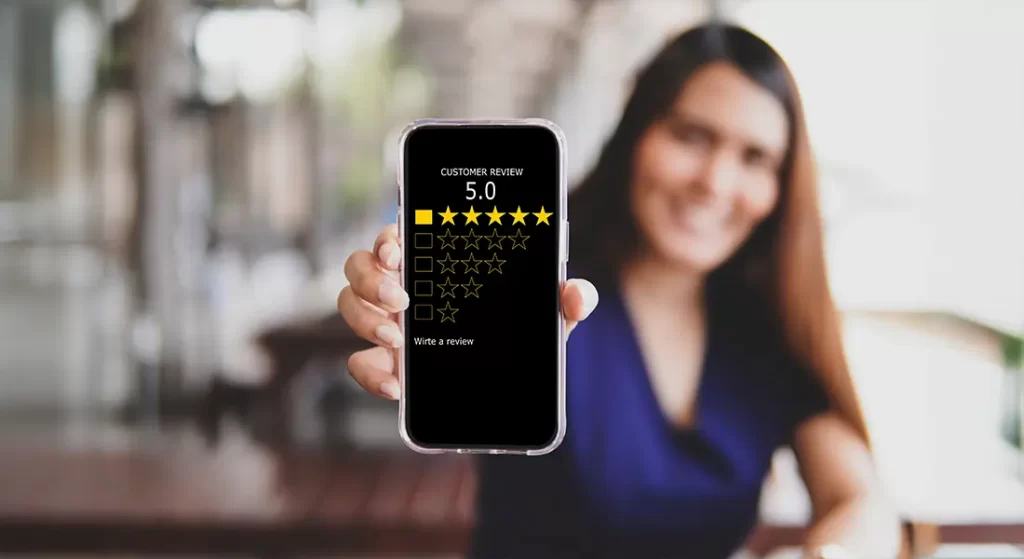
Simply collecting reviews is not enough. For reviews to meaningfully support ChatGPT visibility, they need to include information that AI can clearly interpret.
Encourage patients to mention the type of aesthetic treatment they had, such as injectables, skin rejuvenation, or device-based treatments, rather than leaving feedback vague. Where appropriate, reviews should also refer to the practitioner by name to strengthen practitioner-level credibility.
Including the clinic name within review text can help reinforce brand association, particularly when reviews are summarised or referenced across platforms.
Posting frequency also matters. A regular flow of reviews over time is far more effective than occasional spikes.
It is also important to spread reviews across multiple platforms rather than relying on a single source. Consistent, detailed reviews on Google, Top Doctors, and Doctify reinforce the same story from different trusted angles.
The goal is not to script reviews or influence what patients say. It is simply to encourage clarity and detail. Reviews that describe real aesthetic experiences in specific terms are more useful for prospective patients — and far more valuable for AI-driven recommendations.
Factor 5: Visible commitment to safety, regulation, and responsible practice
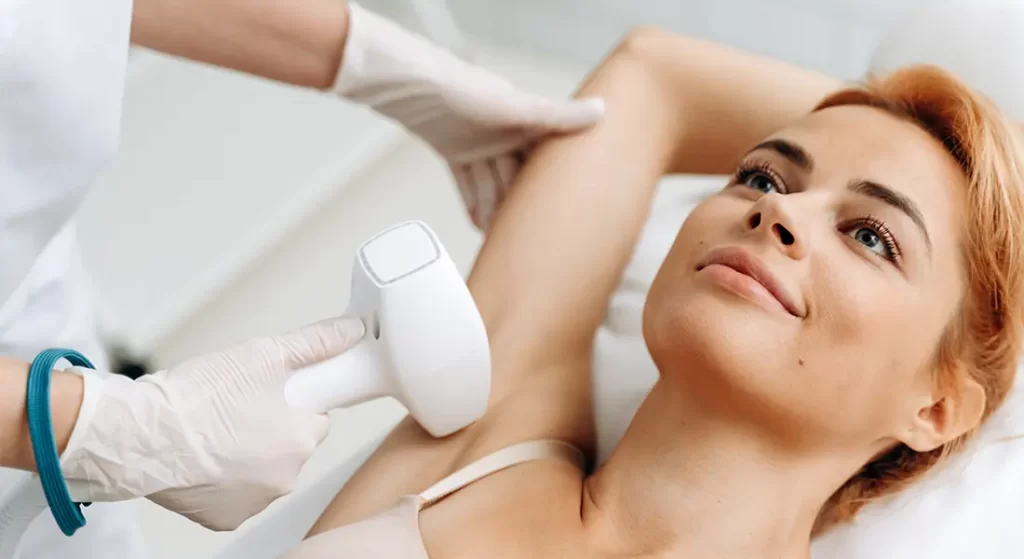
For aesthetics clinics, safety is not a background issue — it is a core signal ChatGPT actively looks for.
When patients ask ChatGPT where to go for injectables, skin treatments, or advanced aesthetic procedures, the AI becomes noticeably more cautious. It looks for reassurance that a clinic operates responsibly, understands limitations, and does not present aesthetic treatments as risk-free or universally suitable.
This is separate from credentials.
Credentials explain who is delivering the treatment.
Safety and compliance demonstrate how thoughtfully and responsibly treatments are offered.
Why this matters for ChatGPT
Aesthetic treatments sit in a category where outcomes vary and risks, although often lower than surgery, still exist. ChatGPT is designed to avoid promoting clinics that appear careless, exaggerated, or dismissive of risk.
Clinics that openly acknowledge uncertainty, explain decision-making, and avoid absolute claims are more likely to be referenced than clinics that rely heavily on transformation language or promises of guaranteed results.
In AI-driven search, responsibility increases visibility.
What ChatGPT looks for on an aesthetics clinic website
ChatGPT looks for clear signals that your clinic:
- explains risks, side effects, and limitations openly
- discusses who treatments are suitable for and who they are not
- shows awareness of complications and aftercare requirements
- operates within clearly defined regulatory and professional standards
If your content focuses only on benefits, quick fixes, or flawless outcomes, AI confidence drops.
Balanced information builds trust.
What you should show clearly on your website
Safety and responsibility should be easy to find, not hidden in disclaimers.
Practical steps include:
- Including clear sections on risks, side effects, and suitability on treatment pages
- Explaining why certain patients may be advised against treatment
- Being honest about timelines, variability of results, and maintenance requirements
- Avoiding language that implies certainty, perfection, or guaranteed outcomes
Compliance should also be visible and understandable:
- Clear explanations of practitioner roles and scope of practice
- Transparency around consultation processes and consent
- Straightforward aftercare guidance and escalation pathways
These elements do not discourage the right patients. In practice, they build confidence — both with prospective patients and with AI systems assessing trustworthiness.
A simple sense-check
Review your site and ask:
- Does our content show that we sometimes advise patients not to proceed?
- Do we explain limitations as clearly as benefits?
- Would an AI system view our clinic as cautious, informed, and patient-led?
If the answer is yes, your clinic is aligned with how ChatGPT evaluates aesthetics providers in safety-sensitive searches.
Clear signals of responsibility do more than protect patients.
They help AI systems feel confident recommending your clinic when trust matters most.
Factor 6: Google Maps visibility and proof your clinic is physically established
Before ChatGPT gives weight to press mentions, directories, or wider third-party validation, it needs to be confident of something very basic: that your aesthetics clinic genuinely exists as a real, established business operating from a physical location.
In the aesthetics sector, this matters a great deal. AI systems are especially cautious about recommending clinics that appear temporary, vague, or difficult to verify in the real world.
Your Google Maps and Google Business Profile listing is one of the clearest signals of physical legitimacy available. When patients ask ChatGPT for clinic recommendations, location is often built into the intent, even if it is not explicitly stated in the question.
If your clinic’s name, address, or contact details are unclear, inconsistent, or incomplete, AI confidence drops quickly.
What your Google Business Profile should clearly show
Your listing should accurately reflect:
- The exact clinic name used across your website and branding
- A genuine, searchable physical address where treatments are delivered
- Correct contact details and opening hours
- Categories that accurately describe your aesthetic services
Your website should reinforce the same information. Clinic name, address, phone number, and branding should match exactly across your site and your Google Maps listing, without variations or abbreviations.
This factor is not about map rankings or local SEO tricks.
It is about credibility.
An aesthetics clinic that clearly operates from a stable, verifiable location is far easier for ChatGPT to reference than one with mixed or confusing location signals.
A quick consistency check
Search for your clinic name in Google Maps and compare the listing directly with your website. If anything differs — even small details — correcting this should be a priority before investing time in broader AI visibility strategies.
A clear Google Maps presence does more than reassure prospective patients.
It gives AI systems confidence that your clinic is established, accountable, and safe to recommend in location-specific and trust-sensitive searches.
Factor 7: Consistency across every place your aesthetics clinic appears
Once ChatGPT understands what your aesthetics clinic focuses on, trusts your practitioners, sees credible reviews, and can verify your physical location, it applies one more internal check before surfacing recommendations: consistency.
Put simply, it asks whether your clinic looks the same everywhere it appears online.
Even well-run aesthetics clinics can be overlooked if their external profiles tell slightly different stories. Inconsistency introduces doubt, and AI systems are designed to avoid doubt when making health-related recommendations.
This factor is not about expanding onto new platforms.
It is about making sure the platforms you already use are aligned.
What consistency looks like in practice
ChatGPT cross-checks information across:
- Your clinic website
- Google Maps and your Google Business Profile
- Review platforms
- Practitioner profile listings
- Aesthetic and healthcare directories
It expects to see the same clinic identity repeated across these sources. That includes the same clinic name, the same practitioners, the same core treatments, and broadly the same positioning.
If your website highlights injectables and skin rejuvenation but external profiles focus heavily on unrelated treatments, or if practitioner expertise appears to shift depending on the platform, AI confidence drops.
Common consistency issues aesthetics clinics miss
Some of the most frequent problems include:
- Small variations in clinic name, address, or branding
- Different treatment lists on different platforms
- Practitioner profiles that are outdated or too generic
- Reviews referencing treatments you no longer prioritise
- Mixed messaging about who your clinic is best suited for
Individually, these issues can feel insignificant. Taken together, they make it harder for AI systems to form a clear and reliable understanding of your clinic.
What you should do
Review your main external profiles side by side with your website.
Check that:
- Your clinic name, address, and contact details match exactly
- The same priority treatments are emphasised everywhere
- Practitioner profiles reinforce the same areas of expertise
- Your positioning remains consistent across platforms
The wording does not need to be identical, but the meaning and emphasis should align.
Why this matters for ChatGPT
ChatGPT does not “rank” aesthetics clinics in a traditional sense. It evaluates confidence.
When multiple independent sources present the same clear picture of your clinic, confidence increases. When those sources feel fragmented or contradictory, recommendations become less likely.
Consistency is what turns individual trust signals into a single, credible narrative.
Once this alignment is in place, external citations and third-party mentions can reinforce your visibility properly — rather than trying to compensate for confusion or gaps elsewhere.
Factor 8: A consistent and professional social media presence

Social media is not a core driver of ChatGPT recommendations, but it plays an important supporting role when it is handled properly.
ChatGPT does not judge aesthetics clinics based on follower numbers, viral reach, or how polished content looks. What it looks for instead is whether your clinic appears active, credible, and aligned with the rest of its online footprint.
For aesthetics clinics, social media helps answer a practical question: does this clinic look current, transparent, and responsibly run?
How ChatGPT interprets social media signals
AI systems treat social platforms as a legitimacy and consistency check rather than a discovery engine.
Social media supports recommendations when:
- Accounts are clearly branded and linked back to your clinic website
- Practitioners appear regularly and are easy to identify
- Content reinforces the same treatments and positioning shown elsewhere
- Posts focus on education and explanation rather than promotion
- Activity is steady and ongoing rather than sporadic
Short, educational content works particularly well. Videos or posts explaining injectables, skin treatments, consultations, aftercare, or decision-making processes help show that your clinic communicates openly and understands patient concerns.
What can reduce AI confidence
Social media can work against you if it feels disconnected from the rest of your presence.
Common issues include:
- Inactive or abandoned profiles
- Content that is overly sales-led or sensational
- Heavy use of trends without educational context
- Exaggerated claims or unrealistic expectations
- Messaging that contradicts your website, reviews, or practitioner profiles
In aesthetics, hype without explanation is often a negative signal rather than a positive one.
A sensible approach for aesthetics clinics
You do not need to post daily or chase engagement at all costs.
A more effective approach is to:
- Post consistently, even if only a few times a month
- Focus on a small number of core treatments
- Show real practitioners explaining real considerations
- Keep the tone calm, factual, and patient-focused
The aim is reinforcement, not reach.
When your social media presence aligns with your website content, reviews, and practitioner credentials, it strengthens the overall picture ChatGPT forms of your clinic.
Social media alone will not secure recommendations.
But when it supports everything else you have built, it adds another layer of confidence that your aesthetics clinic is established, active, and safe to suggest.
Factor 9: Strong organic visibility and clear topical authority
ChatGPT does not simply mirror Google rankings, but it does learn from many of the same long-term signals that allow websites to perform well in organic search.
Aesthetics clinic websites that consistently appear in organic search results usually share a few underlying characteristics. They tend to publish genuinely helpful content, earn engagement and trust over time, demonstrate depth around specific treatment areas, and maintain stability rather than short-lived spikes.
Those characteristics closely match what ChatGPT looks for when deciding which clinics it feels confident referencing.
In practice, aesthetics clinics that are visible in Google for relevant, non-branded searches are easier for AI to recognise as established and authoritative within their field.
What type of SEO visibility actually matters
This is not about ranking for your clinic name or competing on generic vanity terms.
What matters is visibility for:
- Specific aesthetic treatments
- Common patient questions and concerns
- Educational searches around suitability, safety, longevity, and outcomes
For example, a clinic that consistently ranks for queries related to injectables, skin rejuvenation, acne scarring, or treatment decision-making sends a clear signal that it is a recognised source of information in those areas.
That topical authority carries through into AI-driven recommendations.
Why organic performance works as a trust signal
Sustained organic visibility is difficult to achieve without:
- High-quality, relevant content
- Clear subject focus
- User trust and engagement
- Consistency over time
Because of this, ChatGPT treats long-term organic presence as indirect evidence that a website is useful and reliable. Clinics that repeatedly appear in search results for meaningful aesthetic-related queries are seen as safer to reference than clinics with little or no organic footprint.
This is particularly important in aesthetics, where AI systems are cautious about exaggerated claims, trends, and misinformation.
Where to focus your efforts
You do not need to rank for every treatment or topic.
A more effective approach is to:
- Focus on strong visibility for your core aesthetic treatments
- Publish content that answers real patient questions clearly
- Build depth around specific areas rather than chasing broad keywords
- Maintain steady performance rather than short-term optimisation bursts
If your website already performs well in Google for relevant aesthetics-related topics, you are in a much stronger position for ChatGPT visibility than clinics relying solely on paid advertising or social media exposure.
Organic search performance alone will not secure AI recommendations.
However, weak or inconsistent organic visibility makes it much harder for AI systems to view a clinic as authoritative.
When combined with clear positioning, detailed explanations, credible practitioners, strong reviews, physical legitimacy, consistency, and responsible communication, organic search visibility becomes another signal that your aesthetics clinic is established, trusted, and worth recommending.
Factor 10: Independent citations and third-party validation
Once ChatGPT understands what your aesthetics clinic specialises in, trusts the quality of your content, can verify practitioner credibility, sees consistent reviews, and confirms your physical presence, it applies one final filter before making recommendations.
That filter is independent validation.
ChatGPT does not rely purely on what your clinic says about itself. It looks for confirmation from external, credible sources that describe your clinic in similar terms. This is where third-party citations become important.
External citations are references to your clinic, practitioners, or expertise on websites you do not control, but that AI systems recognise as reliable. These references act as confirmation signals rather than discovery tools.
What qualifies as a meaningful citation
Not all mentions carry the same weight.
Citations that tend to support AI recommendations usually come from:
- Established aesthetic or healthcare directories
- Professional association or regulatory body websites
- Educational health or skin-focused platforms
- Reputable industry publications or media outlets
- Long-form articles that reference practitioner expertise or clinical approach
Simple listings that mention your clinic name without context are far less useful than references that explain what you are known for, the treatments you specialise in, or why your expertise is relevant.
Why this factor comes at the end
External validation only works when everything else is already in place.
If your positioning is unclear, your explanations are thin, or your credentials are poorly presented, citations elsewhere add very little. When your foundation is strong, however, third-party validation can make the difference.
It tells ChatGPT that:
- Your clinic is recognised beyond its own website
- Independent sources describe you consistently
- Your expertise is supported externally, not just self-stated
This reduces uncertainty and increases confidence in trust-sensitive recommendations.
How to strengthen third-party validation sensibly
You do not need a large volume of citations.
A small number of relevant, high-quality references is far more effective:
- Ensure your clinic and practitioners are accurately listed on key aesthetic and healthcare directories
- Keep professional memberships and accreditations visible and up to date
- Contribute expert insight or educational commentary where appropriate
- Avoid low-quality listings that add no context or clarity
Over time, even a handful of strong, relevant citations can significantly reinforce AI confidence.
A final sense-check
Ask yourself:
- Can my clinic be found and described accurately on websites we do not control?
- Do those descriptions align with how we position ourselves?
- Would an AI system see consistent third-party confirmation of our expertise?
If the answer is yes, you have reached the final layer of trust.
External citations do not create authority on their own.
They confirm it.
And that confirmation is often what allows ChatGPT to confidently surface one aesthetics clinic over another when all other factors are equal.
How to prioritise these factors without trying to do everything at once

When you look at all of these factors together, it can feel overwhelming. The important thing to understand is that you do not need to address everything at the same time to start seeing results.
ChatGPT does not expect perfection. It looks for confidence, clarity, and consistency. Some improvements have a much greater impact than others, particularly in the early stages.
Start with the essentials
Before worrying about SEO performance, social media activity, or third-party citations, make sure the fundamentals are in place.
Your aesthetics clinic should clearly communicate what treatments it focuses on, who delivers those treatments, and where the clinic operates. Practitioner credentials should be easy to find, your Google Maps listing should be accurate, and your website should explain treatments in a clear, responsible, and realistic way.
If these basics are unclear or weak, work in other areas will have limited effect.
Reinforce trust next
Once the foundation is solid, shift your focus to trust signals.
This includes improving the quality and detail of your reviews, ensuring they reflect real patient experiences and treatments, and checking that your messaging is consistent across platforms. Small inconsistencies often go unnoticed internally, but they introduce hesitation for AI systems assessing credibility.
At this stage, the goal is alignment rather than growth.
Use authority signals to strengthen what already exists
Only after the first two stages are in place should you spend significant effort on authority-building activities.
This includes improving organic search visibility, maintaining a professional and educational social media presence, and building external citations or third-party validation. These elements work best when they reinforce an already clear and trustworthy picture, rather than trying to fill gaps.
A practical way to approach this
The most effective way to move forward is to work through one area at a time.
Start with your homepage and core treatment pages. Then review practitioner profiles, reviews, and your Google Maps listing. Once those are aligned, expand gradually into content, social media, and external validation.
Progress in AI visibility is cumulative. Each improvement makes the next one more effective.
You do not need to overhaul everything at once. Aesthetics clinics that make steady, deliberate improvements tend to achieve far stronger long-term visibility in ChatGPT recommendations than those chasing quick fixes or short-term tactics.
FAQs
- 1. Can ChatGPT actually recommend aesthetics clinics?
ChatGPT does not rank aesthetics clinics in the way Google does, but it does surface clinics when patients ask recommendation-style questions. These recommendations are based on signals such as clarity, trust, and consistency across the web rather than paid placements. Aesthetics clinics that are clearly positioned, professionally run, well reviewed, and consistently represented online are far more likely to appear when patients ask where to go or who to trust. - 2. Is optimising for ChatGPT different from traditional SEO?
Yes. Traditional SEO focuses heavily on keywords, rankings, and technical factors, while optimising for ChatGPT is more about how understandable, credible, and reference-worthy your clinic appears. Clear treatment explanations, visible practitioner credentials, detailed reviews, and consistent external signals often matter more than keyword density, and fewer high-quality pages usually outperform large sites with thin content. - 3. Do aesthetics clinics that rank highly on Google have an advantage in ChatGPT?
Generally, yes, but ranking alone is not enough. Strong organic visibility in Google suggests authority and relevance, which ChatGPT tends to favour, but clinics with vague positioning, weak content, or unclear credibility can still be overlooked. Google rankings work best as a supporting signal when the rest of your online presence is clear and trustworthy. - 4. Does ChatGPT look at paid ads or sponsored listings?
No. ChatGPT does not use paid advertising data when making recommendations, so running Google Ads or social media ads does not directly influence whether your clinic is mentioned. AI-driven recommendations rely on organic signals such as content quality, practitioner credibility, reviews, consistency, and third-party validation rather than advertising spend. - 5. How important are practitioner profiles for AI recommendations?
Practitioner profiles are extremely important because ChatGPT often answers questions at practitioner level rather than clinic level. Profiles that clearly explain qualifications, aesthetic training, areas of focus, and clinical approach help AI understand who should be recommended, whereas brief or generic biographies provide very little useful context. - 6. Can social media alone improve ChatGPT visibility?
No. Social media acts as a supporting signal rather than a primary one. Active, professional, educational content that aligns with your website helps reinforce transparency and credibility, but social media cannot compensate for weak practitioner credentials, poor reviews, unclear positioning, or inconsistent information elsewhere. - 7. How long does it take to see results from AI-focused optimisation?
There is no instant switch. Improvements in ChatGPT visibility usually happen gradually as signals build and stabilise over time. Aesthetics clinics with strong foundations may see changes sooner, while others may take several months of consistent improvement, with results compounding as clarity and trust increase. - 8. Should smaller aesthetics clinics bother competing in ChatGPT recommendations?
Yes. ChatGPT prioritises clarity and credibility over size, which means smaller aesthetics clinics with clear treatment focus, strong practitioner profiles, detailed reviews, and consistent messaging can outperform larger but more generic competitors. Being specific and well explained is often more effective than being broad. - 9. Is this something clinics can do themselves, or do they need specialist support?
Some elements can be handled internally, such as improving reviews or updating practitioner profiles, but aligning positioning, content, credentials, reviews, Google Maps, SEO performance, social media, and external validation into a single, coherent system is complex. Many aesthetics clinics benefit from specialist support to avoid inconsistency, wasted effort, or focusing on the wrong priorities.
Final thoughts: AI visibility is now part of how patients choose aesthetics clinics

AI tools like ChatGPT are already influencing how patients research aesthetic treatments. When someone asks where to go for injectables, which clinic is safest, or who specialises in natural-looking results, the clinics that appear are not there by chance.
They appear because their online presence is clear, credible, consistent, and easy for AI systems to interpret.
Optimising for AI search is not about gaming systems or chasing trends. It is about clearly communicating what your clinic does, demonstrating professional credibility, reinforcing trust at every touchpoint, and making it simple for both patients and AI to understand what you are known for.
Aesthetics clinics that approach this as a long-term strategy, rather than a one-off optimisation exercise, are the ones that will benefit most as AI-driven search continues to grow.
If you need support improving your visibility in ChatGPT and other AI search tools, you can contact our aesthetics marketing agency, Clinic Engine. We specialise in AI search for aesthetics clinics, helping providers clarify their positioning, strengthen trust signals, and earn recommendations in an increasingly AI-led discovery landscape.