
Google Ads is one of the highest-intent marketing channels available to cosmetic surgery clinics. When someone searches for a specific procedure, they are usually researching treatment seriously rather than browsing casually. That intent makes Google Ads incredibly powerful when it’s handled correctly.
However, many clinics struggle with poor-quality enquiries, rising costs, or sudden account problems. Some generate large volumes of leads that never convert, while others face ad disapprovals or account suspensions. In most cases, the issue isn’t demand it’s strategy.
In this guide, I’ll explain how cosmetic surgery clinics should approach Google Ads properly. We’ll cover keyword intent, account structure, landing pages, consent and compliance rules, and budget control, so you can generate better-quality leads without wasted spend or unnecessary risk.
Why Google Ads Works So Well for Cosmetic Surgery
Google Ads works exceptionally well for cosmetic surgery because it targets people who are already searching for treatment. Unlike social media, where users are often browsing casually, Google captures high-intent searches from patients actively researching procedures, clinics, and outcomes. These users are much closer to making a decision, which makes the traffic more valuable.
Most cosmetic surgery searches are careful and deliberate rather than impulsive. Patients compare multiple clinics, read reviews, and look for clear signs of expertise and safety before taking the next step. They want reassurance that they’re choosing the right provider, not pressure to book quickly.
Because of this mindset, successful Google Ads campaigns focus on trust rather than urgency. Ads that highlight clinical experience, transparent information, and patient-centred care tend to perform better than promotional or sales-driven messaging. The goal is to support the patient’s research process, not rush it.
When Google Ads is aligned with patient intent and realistic expectations, it becomes a highly reliable source of enquiries. It reaches patients at the point where they are actively evaluating options and ready to engage with a clinic. Over time, this consistency makes Google Ads one of the strongest channels for cosmetic surgery lead generation.
The Biggest Google Ads Mistake Clinics Make
The biggest Google Ads mistake clinics make is focusing on volume rather than quality. Broad keywords, generic ad copy, and poorly structured landing pages may generate clicks, but they often attract price-focused or unsuitable enquiries. This leads to wasted spend and frustrated teams handling leads that were never a good fit.
Another common issue is ignoring advertising compliance. Cosmetic surgery falls under stricter medical and sensitive-content policies, and even small missteps can trigger ad disapprovals. Repeated violations can escalate to account restrictions or full suspension, disrupting campaigns entirely.
Many clinics also fail to track what happens after an enquiry is submitted. Without visibility into lead quality, conversion rates, and patient outcomes, it’s impossible to know which campaigns are actually working. As a result, budgets are often allocated based on assumptions rather than data.
Understanding Keyword Intent in Cosmetic Surgery
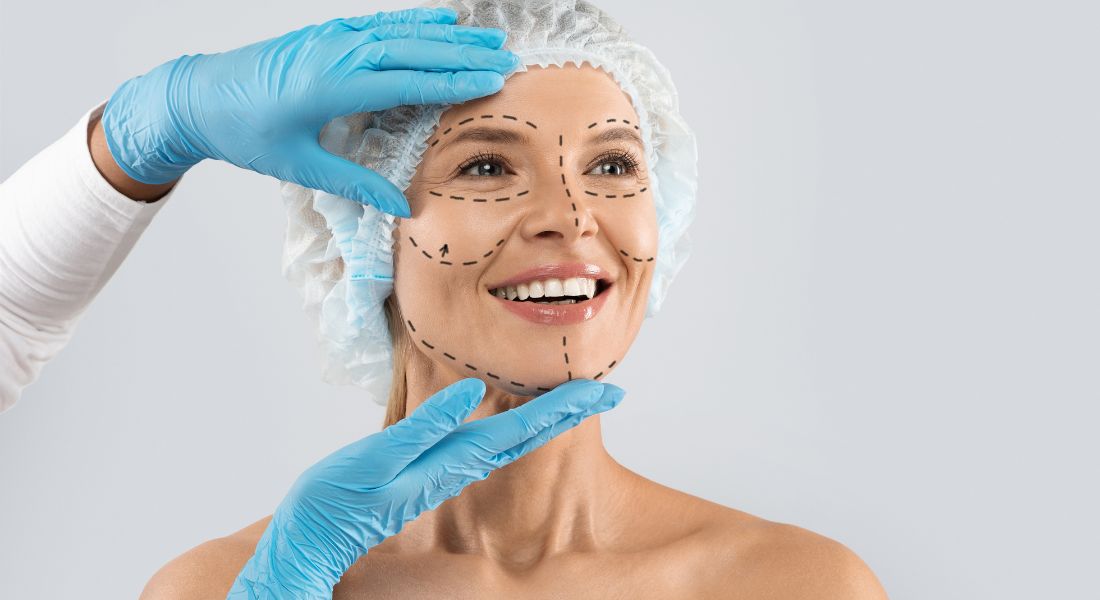
In cosmetic surgery marketing, keyword intent is far more important than raw traffic numbers. Two keywords may appear similar on the surface yet attract completely different types of enquiries. Understanding intent helps clinics focus on patients who are genuinely considering treatment, rather than those who are simply browsing, price-checking, or unsuitable for surgery. Filtering intent at the keyword level protects both marketing budgets and valuable clinic time.
- High-intent, treatment-specific keywords: Searches that include specific procedures, locations, or consultation terms usually indicate serious research and readiness to engage.
- Signals of decision-making behaviour: Keywords that reference surgeons, clinics, recovery, or suitability suggest patients are actively evaluating options.
- Lower-intent informational searches: Broad or educational terms often attract curiosity-led traffic that is not yet ready for consultation.
- Cost-only or bargain-focused terms: Keywords centred purely on price frequently lead to low-quality enquiries or unsuitable candidates.
- Budget and resource protection: Prioritising high-intent keywords ensures marketing spend is directed towards patients most likely to convert and benefit from care.
When keyword intent is understood and applied correctly, marketing becomes more efficient and enquiries become more aligned. This approach supports sustainable growth without overwhelming clinics with unsuitable or low-quality leads.
High-Intent vs Low-Intent Keywords
High-intent keywords usually include specific procedure names, consultation-related phrases, or location-based terms. People using these searches are actively comparing options and are much closer to making a decision. As a result, they tend to convert into more suitable enquiries.
Low-intent keywords are often broader or more informational. They may focus heavily on price, curiosity, or non-medical interest, which can generate clicks without meaningful engagement. While traffic numbers may look healthy, conversion rates are typically low.
A strong Google Ads strategy focuses on quality over quantity. Prioritising fewer, high-intent searches helps attract patients who are genuinely considering treatment, leading to better outcomes and more efficient ad spend.
Why Keyword Match Types Are Critical
Keyword match types play a decisive role in whether paid search campaigns attract the right patients or waste valuable budget. Using overly broad match types can cause ads to appear for irrelevant, unsuitable, or purely informational searches, leading to poor-quality enquiries and unnecessary spend. By contrast, more controlled match types allow clinics to target patients whose searches closely align with the treatments they offer.
- Risks of broad match keywords: Broad match can trigger ads for loosely related searches, including research-only, cost-led, or unsuitable queries.
- Control with phrase match: Phrase match ensures ads appear when searches include your key terms in a relevant order, balancing reach with relevance.
- Precision of exact match: Exact match provides the highest level of control, showing ads only when searches closely match your chosen terms.
- Improved enquiry quality: Tighter match types attract users who are further along in their decision-making process and more likely to convert.
- Reduced wasted spend: Precision targeting minimises budget leakage on clicks that will never result in consultations or suitable patients.
By using the correct keyword match types, clinics can align advertising spend with genuine patient intent. This precision improves lead quality, protects budgets, and supports sustainable, predictable growth.
Structuring Your Google Ads Account Properly
The structure of your Google Ads account has a direct impact on performance, efficiency, and policy compliance. Poorly organised accounts dilute relevance, inflate costs, and make optimisation difficult. By structuring campaigns and ad groups around specific procedures, clinics can improve relevance scores, control spend more effectively, and maintain clearer oversight of performance.
- Procedure-focused campaigns: Each campaign should target a single treatment or a closely related group, ensuring clear intent alignment and compliance.
- Tightly themed ad groups: Group similar keywords together so ads can be written specifically for those search terms, increasing relevance.
- Keyword-to-ad alignment: Ads that directly reflect the keywords being targeted achieve higher quality scores and lower cost per click.
- Easier performance monitoring: A clean structure makes it simpler to identify underperforming keywords, ads, or campaigns early.
- Smarter budget control: Clear segmentation allows budgets to be allocated and adjusted based on actual performance rather than assumptions.
A well-structured Google Ads account improves both efficiency and outcomes. It supports better lead quality, lower costs, and more confident optimisation over time.
Writing Ads That Attract the Right Patients
Cosmetic surgery ads should be clear, factual, and responsible in their wording. Over-promising results, using sensational language, or implying guaranteed outcomes can damage trust and lead to compliance issues. Patients respond better to honest, measured messaging.
Strong ads focus on expertise, safety, and patient suitability rather than aggressive persuasion. They explain what the clinic offers and who the treatment may be appropriate for, helping patients self-qualify before clicking. This creates more informed enquiries.
By setting realistic expectations, ads naturally filter out unsuitable leads. This approach builds trust early in the journey and leads to higher-quality enquiries, even if overall click volume is lower.
Google Ads Compliance: Why It Matters So Much
Google Ads compliance is especially important in medical and cosmetic advertising because the policies are far stricter than in most other industries. Google closely regulates how treatments are described, what claims can be made, and how patient concerns are referenced. Even small wording choices can trigger policy issues.
These rules apply not just to ad copy, but also to imagery, landing page content, and how personal attributes are implied. Before-and-after claims, guarantees, or overly emotive language can all put an account at risk. Compliance is about accuracy, neutrality, and patient safety.
When policies are violated, the consequences can be serious. Ads may be disapproved repeatedly, and in more severe cases, entire accounts can be suspended. Once this happens, recovery is often slow, complex, and not always successful.
For this reason, compliance must be built into the strategy from day one. Ad copy, landing pages, and account structure all need to work together within Google’s guidelines. Clinics that treat compliance as a foundation, not an afterthought, protect both their campaigns and their long-term growth.
Consent and Sensitive Advertising Rules

Cosmetic surgery advertising is subject to stricter rules because it falls within sensitive advertising categories. Platforms such as Google closely monitor language that could imply personal inadequacy, emotional vulnerability, or guaranteed transformation. Clinics must balance effective marketing with ethical, compliant messaging that informs rather than pressures. Responsible framing protects both your advertising account and your clinic’s professional reputation.
- Avoid implying personal inadequacy: Ads should never suggest that someone needs surgery to be acceptable, confident, or attractive.
- No guaranteed outcomes: Promising specific results or transformations can breach policy and undermine trust.
- Use neutral, factual language: Clear, informative wording that explains treatments without emotional pressure is both compliant and reassuring.
- Respect patient autonomy and consent: Messaging should support informed decision-making rather than urgency or fear-based tactics.
- Protect account stability and reputation: Policy-compliant ads reduce the risk of disapprovals, account suspensions, and reputational damage.
By following consent and sensitive advertising rules carefully, clinics can run effective campaigns without compromising ethics or compliance. This approach builds long-term trust while keeping advertising accounts safe and sustainable.
Landing Pages and Lead Quality
Where you send paid traffic is just as important as the keywords and ads that attract it. Sending users to a generic homepage often creates confusion and drops conversion rates, as the content rarely matches the intent behind the search. High-performing landing pages are built around a specific procedure and are designed to guide patients calmly through information, suitability, and next steps. This improves both conversion rates and enquiry quality.
- Match landing pages to search intent – Each page should align closely with the procedure or concern the patient searched for, reducing friction and uncertainty.
- Clear, structured procedure explanations – Explain what the treatment involves in straightforward language, without exaggeration or sales pressure.
- Responsible discussion of suitability and risks – Address who the treatment is for, who it may not suit, and any relevant considerations to support informed decision-making.
- Calm guidance on next steps – Outline consultation, assessment, and booking processes clearly, helping patients feel prepared rather than rushed.
- Natural filtering of enquiries – Well-written landing pages reassure suitable patients while discouraging unsuitable or purely price-led enquiries.
By aligning landing pages with intent and clinical responsibility, clinics attract fewer but better-quality leads. This improves efficiency, reduces wasted time, and supports more predictable, sustainable growth.
Why Screening Should Start Before the Enquiry
Screening should start before the enquiry because cosmetic surgery is not suitable for everyone. By setting clear criteria early, clinics can guide patients toward informed decisions before they make contact. This helps align expectations from the outset.
Early screening can be built into website content, enquiry forms, and pre-consultation questions. When patients are given transparent information about suitability, recovery, and realistic outcomes, they naturally self-qualify. Those who proceed are usually more prepared and appropriate candidates.
This approach reduces unnecessary enquiries and protects valuable clinical time. It also lowers administrative workload and improves the overall patient journey. By filtering earlier, clinics can focus resources on patients who are genuinely suitable and ready to engage.
Managing Budget Without Losing Control
Google Ads costs in cosmetic surgery are often high, and without firm controls, spend can rise quickly. High competition and expensive keywords make it easy for budgets to be exhausted without delivering meaningful results. This is why budget management needs to be deliberate, not reactive.
Budgets should be allocated at campaign level based on procedure priority and potential patient value. High-margin or core treatments may justify higher investment, while lower-priority services require tighter limits. Regular reviews ensure spend stays aligned with performance.
True control comes from structure and data, not guesswork. Clear campaign segmentation, accurate tracking, and consistent analysis allow clinics to make informed adjustments. When budgets are managed this way, performance improves without sacrificing visibility.
Measuring What Actually Matters
Clicks and impressions alone don’t indicate success in cosmetic surgery marketing. What matters far more are consultations booked, patient suitability, and show-up rates. These metrics reflect real clinical value, not just online activity.
Effective tracking focuses on lead quality and outcomes rather than raw enquiry volume. Understanding which campaigns generate appropriate patients helps clinics invest more confidently. This often requires closer alignment between marketing teams and front-of-house or clinical staff.
When data reflects what actually happens after the enquiry, decision-making improves. Budgets can be adjusted based on real performance, not assumptions. Better data leads to smarter, more sustainable growth.
Why Lead Quality Beats Lead Volume

High enquiry volumes can create the illusion of success while masking deeper inefficiencies. When a large proportion of leads are unsuitable or unready, administrative workload increases, staff morale suffers, and genuine patients can be overlooked. Clinics that prioritise lead quality over sheer volume typically see better outcomes, smoother operations, and more predictable growth.
- Reduced administrative burden: Fewer, better-aligned enquiries mean less time spent filtering unsuitable leads and more time focused on patient care.
- Higher consultation conversion rates: High-quality leads are more likely to book, attend consultations, and proceed with treatment.
- Lower cost per consultation: Targeted campaigns reduce wasted spend, improving return on investment even with fewer enquiries.
- Improved staff morale and efficiency: Teams feel less overwhelmed and more effective when dealing with patients who are genuinely interested and suitable.
- Stronger long-term performance: Quality-led Google Ads campaigns produce more consistent results and are easier to optimise over time.
When quality is prioritised from the start, Google Ads becomes a growth tool rather than a volume generator. Fewer, better enquiries create healthier systems, stronger teams, and more sustainable clinic growth.
How Google Ads Fits Into Your Wider Marketing System
Google Ads should never operate in isolation within a clinic’s marketing strategy. Patients typically research across multiple channels, comparing information before deciding to book. Ads are often just one touchpoint in a much longer decision-making process.
A strong website, credible reviews, effective SEO, and clear follow-up systems all play a critical role in supporting Google Ads. When these elements are weak or inconsistent, even high-intent traffic can fail to convert. Ads bring patients in, but the wider system builds confidence.
When marketing channels are properly integrated, the patient journey feels consistent and reassuring. Messaging aligns across platforms, expectations are clear, and trust builds naturally. This consistency is what ultimately turns interest into confirmed consultations.
When Professional Management Makes Sense
Google Ads for cosmetic surgery is complex and high-risk when managed without expertise. Strict policies, frequent updates, and high competition mean that mistakes can quickly lead to wasted budgets or account suspensions. Even minor errors in ad copy or targeting can have significant consequences.
Because of these challenges, many clinics choose to work with a specialist cosmetic surgery marketing agency. These agencies understand the nuances of compliance, patient intent, and campaign structure, ensuring ads reach the right audience safely and effectively.
Professional management also focuses on quality over quantity. Rather than chasing clicks or short-term spikes, campaigns are designed to attract suitable patients who are more likely to convert and engage with the clinic.
With the right support, clinics can achieve sustainable growth. Long-term strategies, consistent monitoring, and data-driven adjustments ensure campaigns remain effective while protecting both budget and reputation.
Warning Signs Your Ads Aren’t Working Properly
There are several warning signs that your Google Ads may not be performing as they should. Consistently low-quality leads, rising costs per enquiry, frequent ad disapprovals, or sudden account restrictions are all clear red flags.
Often, these issues point to problems with targeting, compliance, or campaign structure rather than a lack of patient demand. Misaligned keywords, unclear messaging, or policy violations can all undermine results.
Ignoring these signs can be costly. Poor performance can waste budget, frustrate staff, and damage the clinic’s reputation over time.
Addressing issues early allows campaigns to recover quickly. Timely adjustments to targeting, ad copy, and account setup help maintain lead quality, compliance, and overall campaign effectiveness.
Building a Sustainable Google Ads Strategy

Building a sustainable Google Ads strategy requires careful planning and ongoing attention. Successful cosmetic surgery campaigns prioritise clarity in messaging, control over budgets and targeting, and strict compliance with policies.
Short-term wins, such as quick spikes in clicks or enquiries, are less valuable than consistent, high-quality results. Patient trust and platform credibility grow over time, reinforcing the effectiveness of the ads.
Sustainable strategies focus on attracting suitable patients consistently rather than chasing volume or temporary trends. Every element, from keywords to landing pages, is designed to support long-term performance.
Ultimately, sustainability always outweighs speed. Clinics that invest in structured, compliant campaigns see more reliable growth, better lead quality, and a stronger reputation in the market.
FAQs:
- Why is Google Ads particularly effective for cosmetic surgery clinics?
Google Ads works well for cosmetic surgery because it targets patients at the exact moment they are actively searching for treatments. These users are usually in the research or decision-making stage, meaning they are closer to booking a consultation. Unlike social media, where audiences browse casually, Google captures high-intent searches, making campaigns more likely to deliver meaningful enquiries when executed correctly. - What common mistakes do clinics make with Google Ads?
Many clinics focus on generating large volumes of clicks rather than high-quality leads. Using broad keywords, generic ad copy, or poorly aligned landing pages often attracts unsuitable or price-focused enquiries. Another frequent mistake is neglecting compliance with Google’s medical advertising policies. Without proper tracking, clinics also struggle to evaluate which campaigns are truly effective, wasting both budget and staff time. - How important is keyword intent in cosmetic surgery marketing?
Keyword intent is critical because it determines whether a search will produce a suitable enquiry. High-intent keywords typically include specific procedure names, consultations, or location indicators, signaling patients who are actively considering treatment. In contrast, broad informational or cost-focused searches usually attract curiosity-driven traffic, which rarely converts. Prioritising the right intent helps clinics spend efficiently and receive more appropriate enquiries. - What role do keyword match types play in campaigns?
Keyword match types influence whether ads appear for relevant searches. Broad match types can trigger ads for loosely related or unsuitable queries, wasting budget. Phrase and exact matches give more control, ensuring ads are shown to users whose searches closely align with the procedures offered. Correct use of match types improves lead quality, reduces unnecessary spend, and helps clinics reach patients who are further along in their decision-making process. - How should a Google Ads account be structured for cosmetic surgery?
Account structure directly impacts performance and efficiency. Campaigns should be focused on individual procedures or tightly related treatments, with ad groups organised around specific keywords. Aligning ads with their target keywords increases relevance scores, lowers costs, and makes monitoring simpler. A well-structured account also allows budgets to be allocated more effectively and enables faster optimisation of underperforming elements. - What makes ad copy effective for cosmetic surgery clinics?
Effective ad copy is factual, clear, and responsible. It emphasises clinical expertise, safety, and suitability rather than making exaggerated claims or promising guaranteed results. Ads should help patients self-qualify by providing accurate information about treatments and the type of candidates they suit. Honest, measured messaging filters out unsuitable leads and builds trust early in the patient journey. - Why is compliance so critical in Google Ads for medical treatments?
Compliance is essential because Google closely regulates medical and cosmetic advertising. Policies cover wording, imagery, and claims about patient outcomes. Even minor violations, such as implying guaranteed results or using emotive language, can result in ad disapproval or account suspension. Building compliance into the campaign from the outset protects both the clinic’s advertising account and its professional reputation. - How do landing pages affect lead quality?
Landing pages are just as important as the ads themselves. Generic homepages often confuse users and reduce conversion rates because they do not match the patient’s search intent. High-performing landing pages focus on a specific procedure, explain treatment clearly, discuss suitability and risks responsibly, and guide patients calmly through next steps. This approach improves the quality of enquiries and helps clinics attract patients who are genuinely interested. - Why should screening start before a patient enquiry?
Screening early ensures that only suitable candidates proceed with a consultation. Clear information on eligibility, recovery, and realistic outcomes can be included in website content, forms, and pre-consultation questions. When patients self-qualify, clinics receive fewer unsuitable enquiries, protect staff time, and improve the overall patient experience by setting accurate expectations from the start. - How can clinics measure success beyond clicks and impressions?
Clicks and impressions do not reveal whether campaigns are effective. Metrics such as consultation bookings, patient suitability, and attendance rates are more meaningful because they reflect actual clinical value. Tracking lead outcomes rather than just volume allows clinics to invest confidently, optimise campaigns effectively, and ensure sustainable growth over time.
Final Thoughts: Turning Google Ads Into a Predictable Patient Acquisition Engine
Running Google Ads for cosmetic surgery isn’t about generating the highest number of clicks or outspending competitors. It’s about reaching the right patients at the right time with clear, trustworthy messaging and guiding them through a smooth, informative journey. When campaigns focus on high-intent keywords, compliant ad copy, and landing pages that align with patient expectations, ads naturally attract enquiries that are more likely to convert.
By refining targeting, improving messaging, and ensuring every step from search to landing page to consultation is seamless, clinics can build a system that consistently delivers suitable patients. This approach minimises wasted spend, protects clinic resources, and encourages sustainable growth over time.
At Clinic Engine, our team acts as a full-service cosmetic surgery marketing agency, helping clinics design data-driven PPC campaigns that prioritise quality over quantity. We work with practices to optimise account structure, improve landing page performance, and implement follow-up systems that convert enquiries into booked consultations, turning Google Ads into a reliable, growth-focused patient acquisition engine.