
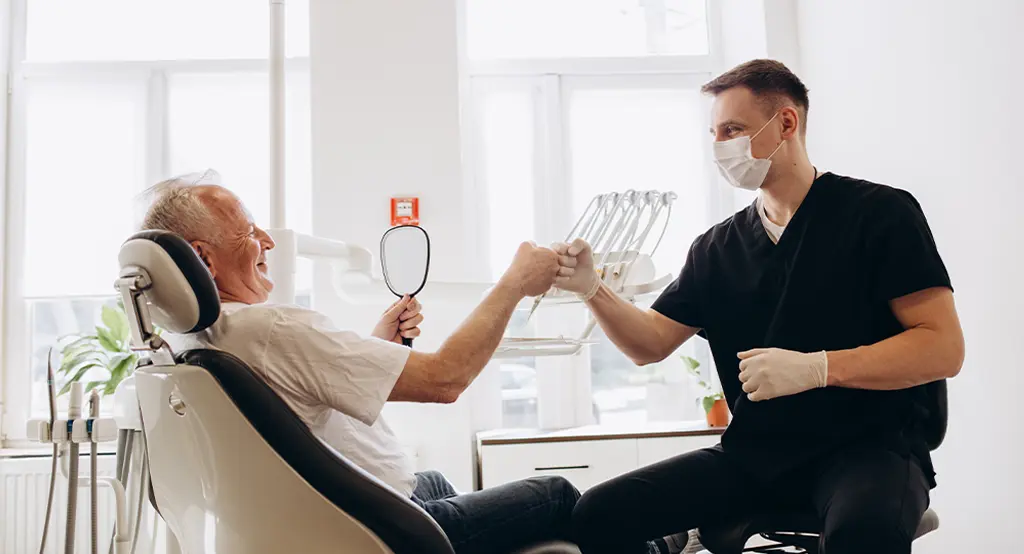
Attracting new patients without spending a fortune on ads might feel like a tall order but it’s completely doable. Today, some of the most successful clinics grow primarily through trust, visibility, and reputation, rather than paid campaigns. The truth is, when your clinic is seen as credible and approachable, patients come to you naturally.
If you’re a doctor, dentist, or clinic owner, you’ve probably asked yourself: “How can I grow my practice without constantly boosting Facebook posts or bidding on Google keywords?” That’s exactly what this guide is here to answer.
Step by step, we’ll walk you through practical, sustainable strategies to attract more patients organically. From strengthening your online presence and authority to building a trusted reputation in your local community, these methods focus on long-term results rather than quick fixes.
By the end of this guide, you’ll have a clear framework to generate a steady stream of new patients all without spending a single penny on ads. Whether you’re just starting out or looking to grow an established practice, these tips will help you make your clinic more visible, trustworthy, and in-demand.
Why Move Beyond Paid Ads
While paid advertising can deliver fast results, relying on it alone is often short-sighted for medical clinics. True long-term growth comes from strategies that build credibility, trust, and organic visibility through high-quality content, patient reviews, and local search presence. By investing in these areas, clinics attract patients who are genuinely interested, engage meaningfully with the practice, and remain loyal over time, all without the constant expense of ads.
Patients value trust over transactions. In healthcare, people don’t want to feel “sold to”; they want reassurance and confidence that they are making the right choice. Organic strategies including informative content, positive reviews, and clear communication build this trust naturally, helping patients feel understood and supported even before their first appointment.
Sustainability is another major advantage. Paid ads stop producing results the moment you stop funding them. In contrast, strong SEO, well-crafted content, and consistent patient feedback continue to work in your favour month after month, creating a long-term presence that reduces reliance on expensive advertising campaigns.
Local discovery is critical for most medical practices. Many patients find clinics through Google searches, word-of-mouth recommendations, or reading online reviews not through ads. Organic visibility ensures that your clinic appears in these high-intent searches, attracting patients who are more likely to convert and stay engaged with your services.
Strategy 1: Strengthen Your Local Presence

Before patients ever visit your website, they’re looking for you online. If your clinic’s local listings are incomplete, inconsistent, or outdated, you risk losing potential patients to competitors who appear more credible and accessible. Building a strong local presence ensures your clinic is easily found, trusted, and positioned as a go-to option in your area.
Optimising your local footprint goes beyond just being listed. It involves creating a complete, accurate, and engaging profile across Google, directories, and social platforms, encouraging genuine patient reviews, and strategically using local keywords. This approach not only improves your visibility but also signals reliability and authority to potential patients searching for healthcare services nearby.
Here’s what to do:
- Claim and optimise your Google Business Profile. Add accurate details, categories, opening hours, and high-quality photos. Write a clear, patient-focused description of your services.
- Keep your NAP consistent. Your Name, Address, and Phone number must be identical everywhere from Google to directories and social pages.
- Encourage genuine reviews. Politely ask satisfied patients to share their experience. Reviews influence both rankings and trust.
- List your clinic in reputable directories. Focus on health-specific listings and local networks.
- Use local keywords on your site. Mention your city, area, and neighbourhood throughout your content.
Why it works: Patients usually start with “clinic near me” or “specialist in [town]”. A complete and active local profile helps you appear in those searches and builds instant credibility.
Strategy 2: Optimise Your Clinic Website for Search
Your website acts as your clinic’s digital reception. Many patients won’t call immediately but will look up your clinic online first. A well-optimised site ensures they find clear, relevant, and trustworthy information before making contact.
Mobile-friendliness is essential. With most users browsing on smartphones, a slow or cluttered site creates a poor first impression and may drive potential patients away. Ensuring your site loads quickly and navigates smoothly keeps visitors engaged.
Dedicated service pages improve clarity and SEO. Each treatment should have its own page with detailed, patient-friendly explanations of what it involves, who it benefits, and what to expect. Internal links help users explore related services easily.
Other technical elements matter too. Clear meta titles and descriptions make your pages inviting in search results, while schema markup signals to search engines that your clinic is a legitimate healthcare provider. Together, these optimisations help patients find you organically when searching for care.
Strategy 3: Optimise for AI and LLM Search (The Next SEO Frontier)

The way patients discover clinics is rapidly evolving. AI-powered platforms like ChatGPT, Gemini, and Perplexity are increasingly used as search engines, answering patient queries directly and recommending services. To stay visible in this new landscape, your clinic must ensure its website and content are clear, authoritative, and structured in a way that these AI tools can understand and reference organically.
Here’s how to prepare:
- Write conversationally. Use natural phrasing that sounds like a real answer to a real patient question.
- Add question-based headings. “How long does treatment take?” or “Is this procedure safe?” are the exact formats AI tools recognise.
- Build topic clusters. Publish multiple related articles around your core services (for example, several pages about cataract surgery or skin care). Interlink them to show depth of expertise.
- Include concise summaries. AI models often lift the first few sentences they find. Start your pages with a clear definition or benefit statement.
- Maintain accurate profiles across the web. Consistent details and mentions of your clinic on trusted sites (like directories and professional associations) reinforce authority.
- Keep content fresh. Update service pages at least twice a year to ensure facts, technologies, and compliance remain current.
Why it works:
AI models prioritise well-structured, up-to-date, and authoritative content. By aligning with how these tools read and summarise information, you future-proof your clinic’s visibility in both traditional and AI-driven search.
Strategy 4: Create Helpful, Educational Content

Creating valuable content is about helping patients, not selling to them. When your website consistently answers their questions in a clear, approachable way, your clinic becomes memorable and trusted. This builds familiarity and confidence long before a patient decides to book.
Blog posts are an excellent tool. Focus on real patient questions, such as “What happens during cataract surgery?” or “What’s the difference between fillers and Botox?” Explaining these clearly positions your clinic as an authority in the field.
Service pages should include FAQs written in a patient-friendly tone. Structured Q&A formats are favoured by both search engines and AI tools, helping your content reach more people who are actively looking for answers.
Videos and patient stories further strengthen trust. Short clips explaining procedures or introducing your team make your clinic approachable, while real experiences (with consent) add credibility. When patients feel educated rather than sold to, they are far more likely to book an appointment.
Strategy 5: Build a Strong Social Media Presence
Social media is less about trends and more about connection. It’s a platform to showcase your clinic’s human side and build relationships with current and prospective patients. A strong social presence makes your clinic feel approachable and trustworthy.
Focus on the right platforms where your patients are most active. For example, Instagram works well for cosmetic and dental services, LinkedIn for medical professionals, and Facebook for families. Choosing the right platform ensures your content reaches the people who matter most.
Create authentic content that highlights your clinic’s personality. Behind-the-scenes posts, staff introductions, treatment insights, and clinic milestones keep your audience engaged and make your practice relatable.
Engage with your community regularly. Respond to comments, celebrate patient successes (with permission), answer simple questions publicly, and use short-form videos to explain procedures. Partnering with local businesses can also expand your reach. This combination builds trust and makes patients more likely to book.
Strategy 6: Build Referral and Partnership Networks
Referrals remain one of the most effective ways to attract new patients, and they cost very little beyond the effort to nurture relationships. People naturally trust recommendations from friends, family, or other healthcare professionals, making referred patients more likely to book and stay loyal. By actively building a network of referrals and professional partnerships, your clinic can create a steady, high-quality stream of new patients while reinforcing its reputation in the community.
To strengthen this channel:
- Ask happy patients for referrals – a simple, polite request after a positive visit often encourages them to recommend your clinic.
- Collaborate with other professionals – build relationships with optometrists, GPs, aesthetic nurses, or physiotherapists who can refer clients.
- Participate in local events – attending health fairs, charity runs, or workshops raises awareness and helps you meet potential partners.
- Follow up thoughtfully – sending thank-you messages to patients or professionals who refer your clinic strengthens relationships and encourages repeat referrals.
Why it works: Referrals come from trust. A patient who arrives because someone they know recommended you is already halfway convinced.
Strategy 7: Deliver a Remarkable Patient Experience

In healthcare, nothing generates long-term growth quite like genuine word-of-mouth. A patient who feels valued, cared for, and understood is far more likely to return, refer friends and family, and share positive experiences online. By focusing on every interaction from the first phone call to post-appointment follow-ups your clinic can turn ordinary visits into memorable experiences that build trust, loyalty, and a strong reputation.
How to excel here:
- Make first impressions count. Friendly reception, minimal waiting, and clear communication go a long way.
- Simplify booking. Use modern online systems and confirmations.
- Follow up personally. A simple “How are you feeling after your visit?” message builds lasting loyalty.
- Respond to feedback. Show that you listen and care even when the feedback isn’t perfect.
- Train your staff. Everyone in your team represents your brand, not just the doctors.
Why it works: Patients remember how you made them feel more than what you told them. That memory is what drives referrals, loyalty, and reputation.
Strategy 8: Educate Your Community
Your influence shouldn’t stop at your clinic’s door. Getting involved locally helps you become a familiar and trusted face long before someone needs your services. Hosting talks or workshops on topics like “Healthy vision after 50” or “Spotting early signs of skin cancer” provides real value to the community.
Partnering with local groups, such as schools, care homes, or gyms, allows you to share educational sessions with a wider audience. Occasional free health checks or screenings also serve as both a public service and effective PR.
Distributing informative guides, whether printable or digital, on prevention and care reinforces your expertise. Being visible in local media, such as newspapers or radio, further strengthens your reputation as a knowledgeable professional.
By combining visibility with generosity, you build trust in the community. When people already know you from local events or media features, they are much more likely to choose your clinic when they need care.
Strategy 9: Nurture Relationships Through Email
Email remains one of the simplest and most cost-effective ways to maintain strong connections with both current and potential patients. Segmenting your list allows you to tailor updates specifically for new patients, existing patients, or those due for follow-ups, making your communication more relevant and engaging.
Sharing educational updates, such as practical tips and insights, keeps your messages informative rather than purely promotional. Sending appointment reminders and aftercare advice demonstrates that your care extends beyond the consultation, reinforcing trust and attentiveness.
Highlighting success stories or introducing new technology helps patients stay informed about your clinic’s progress and achievements. Always include clear links or phone numbers so recipients can easily respond or book appointments without friction. Consistent, value-driven email communication keeps your clinic top of mind, strengthens relationships, and fosters long-term patient loyalty.
Strategy 10: Measure, Refine, and Improve

Now that you’ve implemented these strategies, it’s essential to evaluate their effectiveness. Monitoring results ensures you understand which actions are driving patient enquiries and which need adjustment.
Keep track of new enquiries and identify how patients found your clinic, whether through search, social media, referrals, or other channels. Review website metrics and social engagement to see which content resonates most with your audience.
Pay attention to review counts and average ratings, as these influence trust and local SEO visibility. Conversion rates the percentage of enquiries that turn into booked appointments are also a key indicator of success.
Use these insights to refine your approach. Double down on strategies that work, such as popular content or effective referral partnerships, and improve or pause tactics that underperform. Organic growth compounds over time, but only if you continually measure, adapt, and optimise your efforts.
FAQ: Ten Common Questions
- How long will it take before I see results from organic marketing?
Organic marketing takes time to build momentum, but the rewards are long-lasting. Most clinics begin to notice improvements within three to six months things like more website visits, calls, or reviews while real, steady patient growth usually develops over nine to twelve months. It’s a gradual process because search engines and AI platforms need time to trust your site and rank it higher. Think of it like building clinical reputation offline consistent, quality work over time leads to word-of-mouth, referrals, and long-term visibility that ads simply can’t buy. - Should I stop using paid ads altogether?
Not completely. Paid ads can still be useful in specific scenarios for example, promoting a new treatment, seasonal offer, or clinic opening. But relying on them long-term makes your marketing dependent on constant spend. A better approach is to use paid ads sparingly as a temporary boost while focusing on SEO, reviews, and content that continue attracting patients even after your ad budget ends. The goal is to make your organic channels so strong that paid campaigns become an optional extra, not a necessity. - Do I really need social media to attract new patients?
You don’t need to be on every platform, but having a thoughtful social media presence helps immensely. Platforms like Instagram, Facebook, and LinkedIn allow you to humanise your clinic to show your team, share treatment insights, and celebrate success stories. Patients rarely book directly from a post, but when they research your clinic later, seeing regular, genuine updates reinforces their trust. In short, social media doesn’t replace your website it supports it by building familiarity and emotional connection with potential patients. - How can I encourage more patients to leave online reviews?
The best time to ask for a review is right after a positive experience when gratitude and satisfaction are fresh. Train your team to recognise happy moments, like when a patient thanks you at reception or compliments your care, and gently ask if they’d share their experience online. Follow up with a short text or email that includes a direct review link to make it simple. Avoid scripts or pressure sincerity works best. Over time, consistent, genuine feedback builds trust faster than any advertisement ever could. - What type of content works best for clinics?
Educational and empathetic content always performs best. Patients often search for clear answers to their health concerns, so articles like “What to Expect After Cataract Surgery” or “How to Treat Acne Scars Safely” can drive meaningful traffic. The key is to write in simple, relatable language explaining procedures, timelines, and aftercare as you would in a consultation. Adding visuals, short videos, and FAQs makes your content even more engaging. This kind of helpful, trustworthy writing positions your clinic as an expert source and that authority attracts patients naturally. - How can my clinic appear in AI tools like ChatGPT or Gemini?
To increase your visibility in AI-driven platforms, your website needs to be clear, factual, and easy to understand. Write content that directly answers common patient questions in conversational English and structure it with headings, FAQs, and concise summaries. Keep pages updated with accurate data, include professional credentials, and link related articles together so AI systems recognise depth and expertise. The more structured and trustworthy your site appears, the more likely these models are to include your clinic when patients ask for local or specialist recommendations. - What’s the most effective no-cost marketing method for clinics?
Referrals both from patients and other professionals remain unbeatable. When a patient tells a friend about your excellent care, that recommendation carries far more weight than any online advert. You can encourage referrals by delivering exceptional experiences, following up personally, and maintaining good relationships with other healthcare providers who can cross-refer. The secret isn’t incentives but reliability and care people refer clinics they genuinely trust. Over time, a strong referral culture becomes your most powerful, zero-cost growth engine. - How often should I update my clinic’s website?
Your website is like your clinic’s digital waiting room it should never look outdated. Refresh your content at least twice a year, updating treatment pages, doctor bios, and FAQs. Add new photos or videos, correct outdated information, and include recent achievements or technologies you’ve adopted. Regular updates signal to search engines (and potential patients) that your clinic is active and credible. Even small changes like rewriting introductions or adding fresh testimonials can keep your site ranking well and feeling current. - How do I measure success if I’m not running ads?
Without paid campaigns, your metrics shift from impressions to impact. Track measurable outcomes such as new patient enquiries, calls, bookings, online reviews, and repeat visits. Use free tools like Google Analytics to see which pages bring the most visitors and what keywords people use to find you. Over time, you’ll start to see clear patterns which services attract attention, which blog posts convert best, and where patients come from. This data helps you focus your energy where it matters most, so growth remains steady and predictable. - What should I do if I’ve tried everything and still don’t see results?
If your organic efforts aren’t yet paying off, don’t scrap the strategy refine it. Start with a full audit of your online presence: is your website mobile-friendly, fast, and well-structured? Are your local listings consistent and your reviews recent? Do you have enough content targeting your key services? Often, slow results stem from technical or strategic gaps rather than poor effort. Fixing those and maintaining consistency usually unlocks progress within a few months. Think of it as fine-tuning a treatment plan until it works perfectly for your patient base.
Final Thought: Building Sustainable Growth for Your Clinic Without Paid Ads
Growing your clinic without paid ads isn’t about doing less it’s about focusing on the right foundations that drive lasting results. The clinics that thrive today aren’t those spending the most on marketing, but those that build genuine trust, communicate clearly, and deliver consistently excellent patient experiences.
When you strengthen your local visibility, create useful and engaging content, build strong community connections, and focus on patient relationships, your growth starts to happen naturally. These efforts build long-term credibility and momentum that no paid campaign can match.
At Clinic Engine, our agency partners with doctors, dentists, and private clinics to design complete, sustainable growth systems helping you attract more patients, streamline your marketing, and build a stronger brand presence across every platform.
If you’d like to explore how we can help your clinic grow, get in touch with us for a free chat and we’ll show you what’s possible.