

If you’ve ever wondered why some dental clinics with smaller marketing budgets outperform bigger competitors, it usually comes down to one thing trust. When patients choose a dentist online, they’re not only looking at prices, promotions, or glossy websites. They’re trying to answer a very human question: “Can I trust this dentist with my health, comfort, and appearance?” With so much noise online, what actually influences their decision? What makes one clinic feel reliable and another feel risky? And which trust signals matter far more than clinics realise?
In this article, I’ll walk you through the exact thought process patients go through when choosing a dentist online. You’ll understand which elements build confidence, which ones undermine it, and how to align your website, reviews, content, and communication to give patients the certainty they need before booking. My goal is simple: to help you attract patients not through gimmicks, but through trust that feels real, human, and earned.
Chapter 1: The Psychology Behind Choosing a Dentist Online

Most clinics underestimate how emotional this decision really is. Choosing a dentist isn’t like choosing a restaurant or buying a product. It’s about your appearance, your comfort, your long-term health, and, for many people, their fears.
1. Fear plays a huge role
Many patients experience dental anxiety sometimes from childhood experiences, sometimes from stories they’ve heard. Even confident adults hesitate before clicking “Book Now.”
2. Patients look for reassurance in small details
Everything from your website’s layout to your team photo contributes to their overall trust. Patients don’t always realise this consciously, but they feel it.
3. They’re looking for signs of competence and warmth
A dentist who looks highly skilled but cold may not connect. A dentist who seems friendly but unprofessional won’t inspire confidence. Patients want both.
4. They need to eliminate risk
Patients want reassurance that their treatment will go smoothly, that their concerns will be heard, that it’s worth the cost, and that any complications will be handled professionally. Trust signals help answer these questions even before they contact your clinic.
Chapter 2: The Trust Signals That Actually Matter (And the Ones Patients Don’t Care About)

Clinics often invest time and resources into elements that impress them sleek designs, fancy awards, or complex jargon but these don’t always resonate with patients. What really matters are a few key trust-building signals that make patients feel confident in choosing your practice. Focusing on the wrong elements can mean missed opportunities, as potential patients scroll past without taking any action.
The trust signals that truly influence decisions are simple but powerful: clear proof of results, patient testimonials, professional credentials, and evidence of excellent care. These are the factors that make someone stop scrolling, read more, and ultimately book an appointment. By understanding what patients actually value, clinics can prioritise strategies that build credibility and drive real engagement.
1. Google Reviews: The First Line of Trust
When someone searches for “dentist near me,” Google Reviews is the first trust signal they notice, shaping their initial impression. Patients pay attention to the total number of reviews, star ratings, recency, responses from the clinic, and the tone and detail of patient stories. Patterns matter seeing 200+ reviews mentioning kindness, clear explanations, and great results builds confidence. However, while Google Reviews opens the door, it alone isn’t enough to fully establish trust; additional signals are needed to reinforce credibility.
2. Website Design: Patients Judge You in 3 Seconds
Patients form an impression of your clinic in just a few seconds, and your website plays a key role. It doesn’t need to be flashy, but it should be clean, modern, easy to navigate, mobile-friendly, and reassuring. A well-designed site communicates professionalism, transparency, and clarity if your website delivers these qualities quickly, patients are more likely to trust your clinic and move forward with booking.
3. Real Dentist Photos (Not Stock Images)
Patients want to see the people who will be treating them, and real photos of your dentists matter far more than stock images. Using generic models, staged dental photos, or unrealistic “white coat” shots can make your clinic feel impersonal. Showing your real team, your actual clinic, and photos that convey friendliness instantly builds trust and makes patients feel more connected.
4. Treatment Videos and Explanations
Patients value clarity, and treatment videos are a powerful way to provide it. Simple videos explaining procedures like Invisalign, implants, whitening, or composite bonding build trust by showing expertise without overwhelming jargon. When patients understand what to expect before booking, they feel safer and are much more likely to convert.
5. Before-and-After Photos: The Ultimate Proof
Nothing builds belief like visual results, and a strong before-and-after gallery can significantly boost conversions. Patients want to see real people achieving great outcomes, so your gallery should be high-quality, consistent, well-lit, and authentic not overly edited. Honest results build trust instantly, while exaggerated or fake images can quickly damage credibility.
6. Awards and Accreditations
Patients feel reassured when they see awards and accreditations such as GDC listings, NHS or private credentials, treatment certifications, Invisalign or implant badges, and awards from reputable dental bodies. These signals show that your clinic is not only qualified but also committed to excellence, helping to build confidence before patients even book.
7. Social Media Presence (If Done Right)
Patients use social media to get a sense of your clinic’s personality, so it’s important to share content that feels real. Posts featuring team moments, behind-the-scenes glimpses, patient transformations, dentist tips, or short educational videos work best, while random memes, overly polished ads, or unrelated content can feel disconnected. Social media done right helps your clinic feel human and approachable, not corporate.
8. Transparent Pricing
One of the biggest sources of distrust is unclear pricing. Patients don’t expect dental treatment to be cheap, but they do expect honesty. You don’t need to publish every single treatment fee. But giving a starting price, along with an explanation of factors that influence cost, helps patients feel respected and informed.
9. Clear Calls-to-Action
Patients shouldn’t have to hunt for your contact details. Clear calls-to-action like “Book a Consultation,” “Request a Call Back,” or “Send Us a Message” should be simple, visible, and friendly. If they feel too salesy, patients are likely to disengage.
10. A Well-Structured Contact Page
A well-structured contact page is essential, yet often overlooked. Patients expect to find opening hours, the exact location, parking details, multiple contact options, and a clear map. If this page is confusing or incomplete, it can quickly erode trust.
Chapter 3: What Patients Think They Want vs What They Actually Want
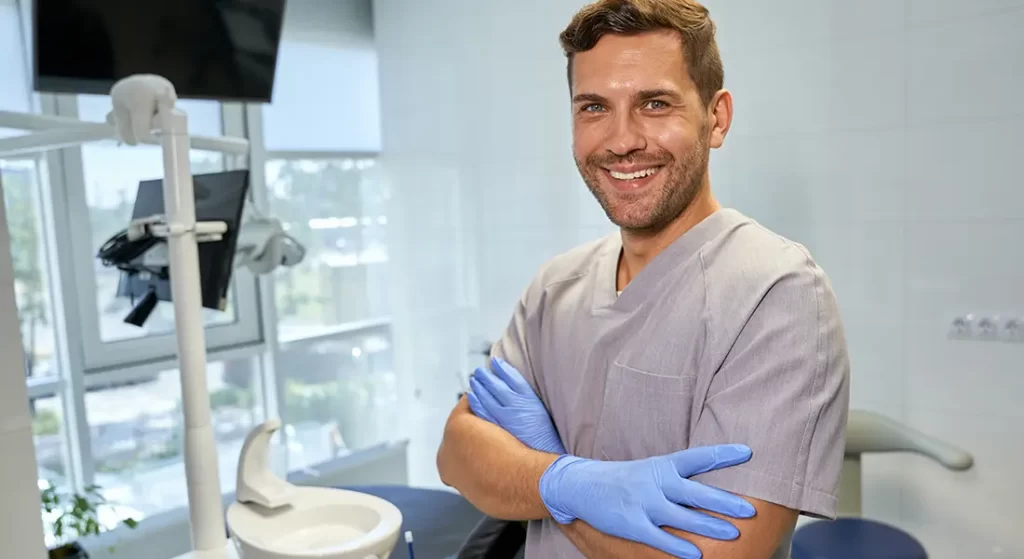
There’s often a gap between what clinics think patients want and what truly matters to them. Practices may overemphasize certain selling points while overlooking the elements that actually influence decisions. Understanding this reality is key to building trust and driving bookings.
Let’s break down the reality.
Patients Don’t Care About:
1. Complex technical terminology: Patients want clarity, not jargon. Overly technical language can confuse or intimidate them, reducing trust rather than building it.
2. The brand of your dental chairs: Most patients assume that clinics use high-quality equipment. Mentioning brands rarely adds reassurance and can feel unnecessary.
3. Wallpapers, colours, or decorative items: Cleanliness, modernity, and comfort matter far more than interior design choices. Patients focus on how safe and professional the environment feels.
4. Long paragraphs describing procedures: Patients prefer concise, clear explanations of what to expect. Bullet points, short sentences, and plain language help them absorb key information quickly.
5. Overly corporate websites: Patients respond better to warmth and authenticity. A friendly, human tone builds trust more effectively than a polished but impersonal corporate design.
Patients DO Care About:
1. Whether you’re kind and patient-focused
Your tone and approach matter more than you might think. Patients notice how you communicate and whether you genuinely listen to their concerns.
2. Whether treatment results look natural
Real before-and-after photos help patients visualise outcomes. Authentic examples build confidence in your skills and reassure them about expected results.
3. Whether reviews show consistent patterns
Patients look beyond star ratings and read the details. Repeated positive experiences signal reliability and professionalism.
4. Whether you explain things simply
Clear, plain-language explanations make patients feel informed and comfortable. Understanding the process reduces anxiety and increases trust.
5. Whether your team seems approachable
Patients often choose clinics based on the people, not just the treatments. A friendly, welcoming team creates a positive first impression and encourages bookings.
Chapter 4: Understanding the Patient Journey Step by Step

Before patients book an appointment, they go through a series of steps that influence their decision. Understanding this journey is crucial for clinics, because knowing what patients see, read, and feel at each stage allows you to provide the right information and build trust effectively. From first search to final booking, every touchpoint matters.
Stage 1: Awareness “Who’s near me?”
Patients usually begin their search on Google, looking for a dentist close to them. They notice star ratings, photos, opening hours, and map locations instantly. If any of these details are missing, outdated, or unclear, patients are likely to scroll past without a second thought. First impressions are formed in seconds, so accurate and appealing information is critical.
Stage 2: Evaluation “Do I trust them?”
Once a clinic is noticed, patients enter the evaluation phase, where trust is everything. They compare online reviews, browse the website, check treatment galleries, read dentist bios, and review social media channels. Every detail, from photos to patient stories, influences whether they feel confident and comfortable choosing your clinic.
Stage 3: Decision “Are they the right choice for me?”
At this stage, emotional reassurance is key. Patients ask whether the dentists appear friendly, whether results are consistent and realistic, if procedures are clearly explained, and whether pricing feels fair. Safety, professionalism, and comfort are also top priorities. Answering these questions effectively increases the likelihood they will move forward.
Stage 4: Booking “I’m ready to act.”
After trust and reassurance are established, patients are ready to book. Clear calls-to-action, simple contact methods, and a smooth online booking process make it easy for them to take this final step. Providing helpful, trustworthy information throughout the journey ensures searches convert into confirmed appointments.
Chapter 5: The Trust Signals Dentists Often Overlook
Many clinics focus on obvious elements like reviews or before-and-after photos, but subtle trust signals are often overlooked. These small details can heavily influence whether a potential patient decides to book. Understanding and implementing them ensures your clinic feels approachable, professional, and credible at every touchpoint.
1. The tone of your website copy
If your website reads like it’s written for dental professionals, patients may feel confused, intimidated, or excluded. Using clear, warm, and empathetic language helps explain treatments in simple, understandable terms. Patients respond to copy that balances professionalism with friendliness, making them feel reassured rather than overwhelmed.
2. The dentist’s “voice”
Patients want to connect with your clinic on a human level. Dentists who introduce themselves naturally, with sincerity and a touch of personality, tend to attract more enquiries. Showcasing the team’s character makes your clinic feel approachable and trustworthy even before patients step through the door.
3. Aftercare explanations
Reassurance doesn’t stop when the treatment ends. Patients want to know they’ll receive support and guidance during recovery. Clear aftercare instructions demonstrate that you care about their wellbeing and outcomes, which builds long-term trust and loyalty.
4. Clear communication of risks
Patients understand that no treatment is perfect, but they expect honesty. Transparently explaining potential risks and outcomes helps build credibility and reduces anxiety. This openness shows that you prioritise patient safety over simply making a sale.
5. A modern booking experience
An outdated or slow booking system can frustrate patients and drive them to competitors. Offering a streamlined, user-friendly process shows professionalism and respect for their time. Making it simple to schedule consultations or request callbacks increases conversion and leaves a positive first impression.
Chapter 6: How to Build a High-Trust Online Presence (Step by Step)
Building trust online isn’t about a single review or a flashy website it’s about creating a consistent, credible presence across every digital touchpoint. Potential patients form opinions quickly, so every element of your online presence should reassure, inform, and guide them toward booking. By focusing on the right trust-building strategies, your clinic can stand out and convert more visitors into patients.
Step 1: Strengthen Your Google Business Profile
Your Google Business Profile is often the first thing patients see, making it a critical trust signal. Keep it updated with high-quality photos, accurate opening hours, detailed services, and professional team images. Encourage patients to leave reviews consistently and respond promptly to feedback. A well-maintained profile shows reliability and builds confidence before anyone even visits your website.
Step 2: Redesign Your Website Around Trust
Your website is your digital front door and needs to communicate professionalism immediately. The homepage should clearly explain who you are, what treatments you offer, and why patients can trust you. A clean, easy-to-navigate layout that is fully mobile-friendly helps visitors find information quickly and reduces frustration, which directly impacts conversions.
Step 3: Use Real Photography Everywhere
Authenticity matters more than polished stock images. Show your real team, your actual clinic, and genuine patient experiences. Real photos allow potential patients to connect emotionally with your practice, helping them feel comfortable and familiar before even stepping through your doors.
Step 4: Create Informative Treatment Content
Patients want clarity and reassurance, not complicated jargon. Simple, well-structured explanations of procedures like Invisalign, implants, or whitening empower patients and reduce anxiety. Content that educates without overwhelming demonstrates expertise while making your clinic approachable and trustworthy.
Step 5: Build a Strong Before-and-After Gallery
Before-and-after images are some of the most persuasive assets for any clinic. High-quality, consistent, well-lit, and authentic galleries show real results and set realistic expectations. When patients can see tangible proof of your work, their confidence in your abilities increases dramatically.
Step 6: Use Social Proof Across All Platforms
Patients rely on collective evidence to feel reassured. Highlight awards, professional memberships, testimonials, and case studies across your website and social media channels. This multi-platform approach shows that your clinic is credible, recognised, and consistently delivering results.
Step 7: Make It Easy to Contact You
Even the most compelling online presence fails if contacting you is difficult. Clear, visible calls-to-action like “Book a Consultation” or “Request a Call Back” simplify the next step. Make your contact methods friendly, straightforward, and accessible to reduce friction and encourage bookings.
Chapter 7: How a Dental Marketing Company Helps Strengthen Trust
Building trust with potential patients takes consistency, strategy, and creativity. Many clinics try to handle this on their own, guessing what works and often losing patients without realising why. A structured approach ensures every touchpoint from website to social media communicates reliability and professionalism.
Working with a specialist dental marketing company brings expertise that most clinics don’t have in-house. They know how to design trust-focused websites, improve online reviews, and optimise Google visibility. Each element is crafted to make patients feel confident and informed.
These companies also help create strategic patient journeys and authentic social media content. By mapping the steps a patient takes from search to booking, they ensure your clinic meets expectations at every stage. The result is a seamless experience that builds confidence and encourages action.
Instead of learning through trial and error, you gain a team that understands what patients truly want. They manage conversion-driven campaigns and design communications that resonate with real patient needs. With this guidance, your brand aligns with expectations, making it easier to attract and retain patients.
FAQs:
1. Which trust signals do patients notice first when searching for a dentist online?
Patients generally notice the most visible elements first, such as star ratings, total number of reviews, and profile photos on Google or review platforms. These initial impressions form within seconds and strongly influence whether they click through to your website or scroll past.
2. Do website design and aesthetics really impact trust?
Yes, the look and feel of a website can subconsciously signal competence and professionalism. Patients respond better to clean, simple layouts with clear navigation. Sites that feel cluttered, overly corporate, or confusing can make patients question the reliability of the clinic, even if other credentials are strong.
3. How important are real dentist photos compared to stock images?
Patients want to see the real people who will treat them. Genuine photos of your team and clinic create familiarity and a human connection. Stock images or staged photos can make a practice feel impersonal and reduce confidence, even if the clinical expertise is excellent.
4. Do patients care about awards and certifications?
Yes, but only when they are presented authentically and are relevant. Professional memberships, treatment-specific certifications, and reputable awards reassure patients that the clinic meets high standards. Overloading a website with unrelated accolades can feel insincere and dilute trust.
5. How does social media influence patient decisions?
Social media allows patients to get a sense of your clinic’s personality and approach. When done correctly, sharing genuine content like patient stories, treatment tips, or behind-the-scenes moments builds relatability and authenticity. Inconsistent or overly promotional content, however, can create doubt.
6. Are before-and-after photos really that effective?
Absolutely. Patients want tangible proof of results. High-quality, consistent, and honest galleries of patient outcomes can significantly boost confidence. Photos that appear exaggerated or fake can quickly erode trust and discourage bookings.
7. How does pricing transparency affect trust?
Patients appreciate clarity on treatment costs. While they don’t expect exact prices for every procedure, giving a starting range or explaining factors that influence cost helps them feel informed and respected. Hidden or vague pricing can make a clinic seem untrustworthy.
8. Can negative reviews harm my clinic permanently?
Not necessarily. How a clinic responds to negative feedback is far more important than the review itself. Prompt, empathetic, and professional responses show that you value patients and address concerns, which can even strengthen trust in the long term.
9. How often should patients be encouraged to leave reviews?
Reviews should be requested consistently but naturally, ideally immediately after appointments while the experience is fresh. Using automated systems such as emails or SMS can help collect regular feedback without overburdening staff, ensuring your clinic maintains a steady stream of authentic patient experiences.
10. How can a dental marketing company help improve trust online?
A specialist dental marketing company helps clinics build a cohesive strategy that emphasises trust at every stage of the patient journey. They optimise Google Business Profiles, enhance website credibility, manage online reviews, and create patient-focused content. By mapping the journey and implementing trust-building systems, they make it easier for clinics to convert online interest into confirmed appointments, all without placing extra manual work on the team.
Final Thoughts: Building Trust That Converts
Trust is the foundation of any successful dental practice. When potential patients search for a dentist online, they are evaluating far more than services and prices; they are assessing professionalism, empathy, and reliability. By focusing on the trust signals that truly matter Google Reviews, real team photos, transparent treatment explanations, authentic before-and-after galleries, and clear communication you can guide patients confidently through their journey from awareness to booking.
A consistent, credible online presence across all touchpoints reinforces confidence. Your website, social media, and review platforms should work together to communicate your expertise and approachability. Every interaction, from a quick glance at a Google Business Profile to reading a treatment explanation, should reassure patients that your clinic is capable, professional, and attentive to their needs.
At Clinic Engine, our dental marketing company helps clinics build complete PPC ecosystems that combine data-driven strategy with patient-focused communication. We work closely with practices to improve campaign structure, enhance landing page performance, and implement systems that turn enquiries into confirmed bookings. Partnering with experts ensures your online presence aligns with patient expectations, builds trust consistently, and drives predictable growth for your clinic.