

If you run a dental clinic, you already know how crucial reviews are. Every day, potential patients search for dentists online and rely heavily on social proof before they even consider booking a consultation with you. But with so many review platforms out there, you’re probably wondering where you should focus your energy.
You’ll hear people say, “Be everywhere.” But as a business owner, you know that spreading your time and budget thin rarely produces results. The truth is that not all review platforms deliver the same level of trust, visibility, or conversion value especially when it comes to healthcare.
In this detailed guide, I’m going to walk you through how Google Reviews, Trustpilot, and Doctify compare for dentists. You’ll understand how patients behave on each platform, where your clinic should focus, and how to get the best return on your efforts without wasting time or money.
My goal is to help you build a system that amplifies your reputation in a strategic and structured way, backed by insights from real patient behaviour and digital trends. Let’s dive in.
Chapter 1: Understanding the Modern Dental Patient’s Review Behaviour
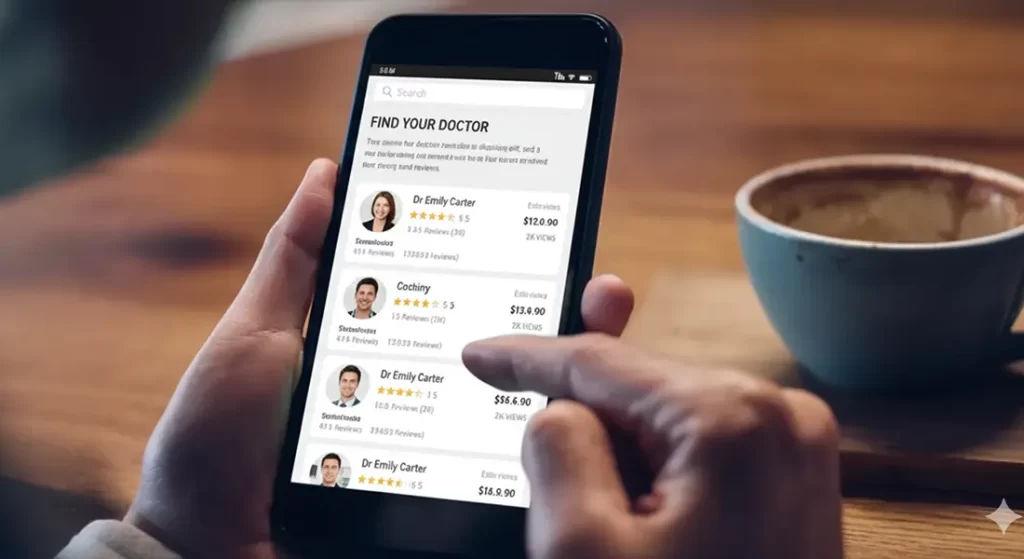
Before comparing review platforms, it helps to understand how modern dental patients actually read reviews. Most people don’t analyse dozens of reviews in detail. Instead, they skim, look for repeated themes, and scan for reassurance. They want to know whether the dentist feels trustworthy, whether communication is clear and respectful, how issues are handled if something goes wrong, and whether nervous patients are treated with care.
The biggest change in patient behaviour over the past five years is that trust is no longer tied to a single platform. Patients rely on different review sites at different points in their decision-making journey. One platform might help them discover a practice, while another reassures them before booking. Understanding this behaviour is key before deciding which review platforms matter most for your dental practice.
1. Awareness Stage Google Dominates Visibility
At the awareness stage, patients are not yet committed to any specific clinic. Their searches tend to be broad and location-based, using phrases such as “best dentist near me”, “emergency dentist London”, or “teeth whitening clinic Birmingham”. The goal at this point is discovery rather than decision-making.
Google Maps and Google Reviews dominate visibility here. Patients may not even notice your clinic name initially. Instead, they filter options quickly based on proximity, star ratings, and how prominently a practice appears in search results. Trust at this stage is relatively shallow and largely influenced by Google’s algorithms rather than detailed review content.
2. Evaluation Stage They compare reputation
At the evaluation stage, patients have shortlisted a small number of clinics and begin to look more closely at reputation. This is where platforms such as Trustpilot and Doctify start to play a bigger role. Patients are no longer scanning for visibility; they are checking for credibility.
At this point, they want reassurance that positive feedback is consistent and not just the result of a few favourable Google reviews. Independent platforms help patients confirm that a clinic delivers reliable experiences across time, treatments, and patient types.
3. Conversion Stage Healthcare-specific platforms win
At the conversion stage, when a patient is close to booking treatment, healthcare-specific review platforms carry the most weight. This is particularly true for higher-value or more complex treatments such as Invisalign, dental implants, or cosmetic dentistry. At this point, patients look for reassurance from platforms that feel clinically credible and professionally moderated.
This is where Doctify plays a strong role. Understanding this shift in patient psychology is essential, as each review platform performs best at a different stage of the funnel. Investing in the wrong platform can lead to strong visibility without sufficient trust, or strong trust without the visibility needed to convert interest into bookings.
Chapter 2: Google Reviews The Visibility Powerhouse

Google Reviews remains the most powerful platform for initial discovery. Even when patients have never heard of your clinic, they already trust Google as a search tool, and that familiarity carries over into how they perceive reviews. Strong Google visibility helps your practice appear credible at first glance, making it far more likely to be considered during the earliest stage of a patient’s search.
Why Google Reviews Matter So Much for Dentists
Google Reviews matter so much for dentists because they directly affect how visible your practice is in local search. Your Google Business Profile ranking is heavily influenced by the number of reviews you have, how often patients leave them, and how consistent your star rating is over time. Reviews are shown automatically in Google Maps and search results, meaning patients see them without having to visit a separate platform. Clinics with higher ratings and a larger volume of reviews also benefit from higher click-through rates, as patients naturally gravitate towards practices that appear more popular and trusted.
The Downsides of Google Reviews
While Google Reviews are powerful for visibility, they do come with limitations. Because anyone with a Gmail account can leave a review, the barrier to entry is very low. This makes it easy to build volume, but it also means emotionally charged negative reviews can appear instantly. A single dissatisfied patient can cause reputational damage quickly, which is why dental practices need clear systems in place to resolve concerns privately before they escalate to a public review.
Another drawback is that Google Reviews are not healthcare-specific and lack a formal verification system. Patients considering complex or high-value treatments often want reassurance from platforms that feel more clinically focused. On Google, anyone can leave a review regardless of whether they have actually received treatment, which can dilute trust for patients who are looking for more medically credible feedback.
When Google Reviews Work Best for Dentists
Google Reviews work best for dentists when the goal is maximum visibility. They are ideal for improving local search rankings, dominating Google Maps, increasing click-through rates, and building instant credibility with nearby patients who are ready to book. However, relying on Google alone creates a one-dimensional reputation, which is why other review platforms are essential for adding depth, credibility, and reassurance later in the patient journey.
Chapter 3: Trustpilot The Perception Multiplier

Trustpilot is best known as a broad, multi-industry review platform used by businesses ranging from online retailers to professional service providers. In recent years, however, an increasing number of dental clinics have adopted Trustpilot as part of their reputation strategy. Understanding how it shapes perception and where it fits in the patient decision-making journey helps determine how effective it really is for dentists.
Why Dentists Use Trustpilot
1. High brand recognition: Patients know Trustpilot. When someone sees a Trustpilot badge on your website, they instantly associate it with “verified business quality.”
2. Strong credibility outside Google: If your target patients are highly analytical, Trustpilot reviews can reinforce professionalism.
3. It reduces reliance on one platform: If Google receives a sudden bad review, Trustpilot offers an alternative perspective.
4. Patients can leave reviews even without Gmail: This is useful for older patients who may not have Google accounts.
Limitations of Trustpilot for Dentists
1. It’s not healthcare-specific: Patients searching for implants, Invisalign, or orthodontics often want medical reassurance, not general business reviews.
2. Paid tiers are expensive: Trustpilot’s full features require subscription costs. If your budget is tight, you may struggle to justify the spend.
3. Reviews often feel generic: One limitation of Trustpilot is that reviews often feel generic. Patients tend to leave brief comments such as “great service”, “helpful staff”, or “very friendly clinic”.
4. It’s not part of the patient’s natural search path: Most patients don’t type “dentist reviews Trustpilot” before booking.
When Trustpilot Works Best for Dentists
Trustpilot works best for dentists who want to strengthen overall brand trust rather than promote specific clinical outcomes. It is particularly effective for general dentistry practices, clinics that pride themselves on customer service, and those looking to differentiate themselves from nearby competitors. Trustpilot reviews can also support on-site conversions by reinforcing trust once a patient is already considering your clinic.
Chapter 4: Doctify The Medical Authority Platform

Doctify is designed specifically for healthcare professionals, which immediately gives it a level of authority that general review platforms cannot match. For dentists offering advanced or high-value treatments, this medical focus is particularly compelling.
Patients often perceive Doctify as more trustworthy because it feels clinically relevant rather than commercially driven. As a result, reviews on Doctify tend to carry more weight at the point where patients are deciding whether to proceed with treatment.
Why Doctify Stands Out in Dentistry
1. It’s healthcare-specific: This is the biggest advantage. Patients see Doctify as a platform for real medical professionals, not general businesses.
2. Reviews feel more legitimate: Doctify reviews tend to feel more legitimate because they often involve patient verification and encourage detailed feedback. Patients frequently describe their full treatment journey, including follow-up care, how pain or anxiety was managed, and the quality of consultations. This depth of insight helps build stronger trust when patients are making medical decisions.
3. Perfect for cosmetic and specialist treatments: Doctify is particularly well suited to cosmetic and specialist dental treatments. Patients researching Invisalign, dental implants, veneers, smile design, or oral surgery tend to place far greater trust in healthcare-specific platforms than in retail-style review systems, making Doctify especially influential at this stage of decision-making.
4. Doctify profiles often appear high in Google Search: Doctify profiles often rank highly in Google search results, which helps expand a clinic’s digital footprint beyond its own website and Google Business Profile. This added visibility reinforces credibility during branded and treatment-specific searches.
5. Awards and badges boost authority: In addition, Doctify’s awards and badges significantly boost authority. Labels such as “Top Rated Dentist in 2024” act as powerful trust signals, adding a layer of professional social proof that Google Reviews alone cannot offer.
Drawbacks of Doctify
Doctify does have some drawbacks. Unlike Google, which is free, and Trustpilot, which offers a freemium model, Doctify requires a subscription. Clinics also need to be proactive in collecting reviews, ensuring staff consistently request feedback after appointments. Additionally, its visibility is limited during the early stages of patient research, as most patients do not begin their search by looking for “best dentist on Doctify.”
When Doctify Works Best for Dentists
Doctify works best for dental clinics offering higher-value or specialist treatments such as cosmetic dentistry, orthodontics, implants, and complex restorative procedures. It enhances professional authority and provides the reassurance needed to convert patients who are already highly motivated to book.
Chapter 5: Platform Comparison The Honest Breakdown
Before deciding where to focus your review strategy, it’s important to understand how each platform performs in terms of visibility, credibility, and patient influence. Comparing Google Reviews, Trustpilot, and Doctify side by side gives a clear picture of their strengths and limitations, helping you choose the right mix for your dental practice.
1. Trust Level with Patients – When it comes to patient trust, Google scores high due to its familiarity, convenience, and prominent visibility. Trustpilot ranks moderate to high, as it is widely recognised but not healthcare-specific. Doctify stands out with very high trust because it is designed specifically for medical decision-making, making its reviews particularly credible for patients considering dental treatments.
2. Visibility in Google Search – In terms of visibility on Google search, Google Reviews performs excellently, appearing prominently in both Maps and standard search results. Trustpilot offers moderate visibility, mainly supporting branded searches rather than local discovery. Doctify provides high visibility through strong SEO and rich snippets, helping clinics appear credible and authoritative in treatment-specific searches.
3. Cost – When considering cost, Google Reviews is free, making it the best value for basic visibility and reputation management. Trustpilot falls into the medium to high range, with premium features requiring additional payment. Doctify also sits at a medium to high cost but offers healthcare-specific value that can justify the investment for clinics focusing on specialist or high-value treatments.
4. Conversion Impact – When looking at conversion impact across the patient journey, Google Reviews excels during early research with top ratings, helping clinics get noticed quickly. Trustpilot performs moderately in early research and comparison stages but has less influence on final conversion. Doctify, meanwhile, is highly effective during comparison and final conversion stages, providing the clinical credibility patients seek when making treatment decisions.
Chapter 6: How to Choose the Right Mix for YOUR Clinic

Not all dental clinics have the same needs, so the right review platform mix will vary depending on your specialities, patient demographics, and business objectives. Understanding which platforms align with your clinic’s strengths and growth goals ensures your reputation strategy is both efficient and effective. Let’s explore the best approach by clinic type.
Every dental clinic is unique, and the best review platform mix depends on your services, target patients, and growth ambitions. Choosing the right combination ensures you maximise both visibility and trust. Here’s a breakdown of which platforms work best for different types of clinics.
1. General Family Dental Practices: For clinics focused on routine care like fillings or hygiene appointments, the main goal is to capture local demand. Priorities should be Google Reviews, Doctify, and then Trustpilot, as patients at this stage are heavily influenced by Google visibility and convenience.
2. Cosmetic Dentistry Clinics: Patients seeking cosmetic treatments want to trust their clinician and see evidence of results. They value before-and-after images, detailed treatment stories, and long-form reviews. The ideal platform order is Doctify first, followed by Google Reviews, then Trustpilot.
3. Implant and Oral Surgery Clinics: High-value treatment decisions require strong medical credibility. Doctify should be the primary focus, with Google Reviews and Trustpilot supporting, ensuring patients feel confident in both expertise and reputation.
4. Multi-location Clinics: Clinics with multiple branches need consistent visibility and reviews across all locations. The recommended order is Google Reviews, Trustpilot, and then Doctify, providing broad coverage while keeping costs manageable and maintaining a strong, uniform reputation.
Chapter 7: How to Use Reviews in Your Marketing (Beyond Collection)
Reviews aren’t just for platforms they can be used across your entire marketing ecosystem to boost conversions. Adding verified patient feedback to your website reinforces trust. Place them in hero banners, on treatment pages, near booking buttons, or in FAQs to reassure potential patients.
Highlighting review snippets in ads can make a big difference. Simple quotes like, “I was a nervous patient, but they made me feel completely at ease,” perform extremely well in campaigns for services like Invisalign or dental implants. Even a single powerful line can increase engagement and click-through rates.
Social media is another great place for reviews. Short video testimonials, carousel posts, or patient stories help build authenticity and strengthen your practice’s reputation online. Consistent posting keeps your audience engaged and encourages new patients to book.
Finally, don’t forget emails and awards. Including reviews in follow-up messages or consultation confirmations improves conversions, while badges like “Top Rated” from platforms such as Doctify instantly boost credibility. Combining these approaches ensures your reviews work hard for you across every channel.
Chapter 8: How to Build a Review System That Runs Itself
Chasing reviews manually every week isn’t sustainable. Instead, create a system that automates and simplifies the process. Start with an internal protocol where every patient is asked for a review immediately after treatment, such as after hygiene appointments, Invisalign check-ups, whitening sessions, or post-implant follow-ups. Staff should approach this confidently and naturally.
Next, use automated SMS or email requests to capture reviews. Sending the request immediately after the appointment increases response rates and ensures feedback is fresh. Short, simple messages work best for encouraging patients to share their experiences.
Your system should also distribute reviews across multiple platforms. Randomly directing patients to Google, Doctify, or Trustpilot helps maintain balance and strengthens your online presence. Don’t let valuable feedback sit on one platform make it work everywhere.
Finally, monitor and respond to reviews professionally. Aim to reply within 48 hours, as patients notice responsiveness and it builds trust. A quick, thoughtful response shows you value feedback and enhances your reputation over time.
Chapter 9: Why You Shouldn’t Rely on a Single Review Platform
One of the biggest mistakes clinics make is relying on just one review platform. If that platform receives a single unreasonable negative review, a patient misunderstanding, or even a competitor’s fake feedback, your entire reputation can be affected.
A multi-platform approach helps protect your clinic from this kind of volatility. Spreading reviews across several platforms ensures that no single negative experience defines your online presence.
It also builds a more well-rounded public profile. Potential patients see feedback from multiple sources, which increases credibility and trust in your services.
Working with a specialist dental marketing agency can make this process easier. They help you decide how to balance review collection strategically across the patient journey, ensuring each stage is supported by the right type of social proof.
FAQs:
1. Which review platform should I prioritise for my dental clinic?
The platform you prioritise depends on your clinic’s services and goals. For general visibility and local search, Google Reviews is essential. If your clinic focuses on specialist treatments like cosmetic dentistry or implants, Doctify offers greater credibility and patient reassurance. Trustpilot can be used as a secondary platform to reinforce trust and demonstrate professionalism outside of Google.
2. Can I rely solely on Google Reviews for my clinic’s reputation?
Relying solely on Google Reviews is not recommended. While it provides strong visibility and quick access to patient feedback, it lacks healthcare-specific verification and detailed treatment insights. A multi-platform strategy ensures that patients see consistent, credible feedback across platforms, which builds trust and reduces the risk of reputational volatility.
3. How do patients use different platforms when choosing a dentist?
Patients interact with review platforms differently depending on where they are in their decision-making journey. At the awareness stage, they rely on Google Reviews to discover clinics nearby. When evaluating options, they look at broader feedback on Trustpilot or similar platforms. For high-value treatments, they turn to healthcare-specific sites like Doctify to confirm credibility and gain detailed insights about the treatment experience.
4. Are Trustpilot reviews as influential as Doctify for dental patients?
Trustpilot reviews provide general credibility and brand recognition, but they are less influential than Doctify for clinical decision-making. Patients seeking specialist treatments value detailed, verified reviews on healthcare-focused platforms that provide insights into treatment outcomes, follow-up care, and professional conduct. Trustpilot is more effective for reinforcing overall trust rather than driving conversions for complex treatments.
5. How often should I ask patients for reviews?
Patients should be invited to leave reviews regularly but naturally, ideally immediately after appointments when their experiences are fresh. Clinics can implement automated systems through SMS or email to prompt feedback, ensuring consistent collection without overburdening staff. This approach maintains a steady stream of reviews across multiple platforms.
6. Will negative reviews harm my clinic’s reputation permanently?
Negative reviews do not have to permanently harm your clinic’s reputation. How you respond is critical; prompt, professional, and empathetic replies demonstrate that your clinic takes feedback seriously and resolves issues effectively. A multi-platform strategy can also dilute the impact of an occasional negative review, as patients see a broader range of positive feedback across platforms.
7. Can Doctify reviews improve my clinic’s visibility in Google search results?
Yes, Doctify profiles can rank highly in Google searches, especially for treatment-specific or branded queries. This visibility complements your Google Reviews profile, allowing potential patients to find authoritative and credible feedback even if they did not initially search for your clinic directly.
8. How much does it cost to maintain reviews on these platforms?
Google Reviews is free to use, making it the most cost-effective platform for basic reputation management. Trustpilot and Doctify both require subscriptions for full functionality, which can range from medium to high cost depending on the features and volume of reviews. Clinics need to weigh the potential return on investment against the cost, particularly for specialist treatments where credibility is essential.
9. Should reviews be used outside the platform, like on my website or in ads?
Absolutely. Using reviews across marketing channels can increase patient confidence and conversion rates. Displaying verified patient feedback on treatment pages, hero banners, or ads helps reinforce trust and demonstrates consistent quality of care. Social media and email campaigns can also amplify reviews, ensuring that patient testimonials work harder than just sitting on review platforms.
10. How do I build a review strategy that requires minimal manual effort?
An effective strategy combines clear internal protocols with automation. Staff should be trained to request reviews naturally after appointments, and automated email or SMS prompts can capture feedback efficiently. Distributing reviews across multiple platforms and responding to them promptly ensures a consistent online reputation without excessive manual effort, while professional agencies can help optimise and manage the process strategically.
Final Thoughts: Building a Reputation That Converts
Reviews are more than just stars on a page they’re a vital part of your patient acquisition strategy. When you combine strong Google visibility with credible, healthcare-specific feedback from platforms like Doctify, and support it with general trust signals from Trustpilot, your clinic creates a layered reputation that reassures patients at every stage of their decision-making journey.
Implementing a structured review system ensures your feedback works automatically, distributing testimonials across platforms and marketing channels while building trust consistently. From website hero banners and treatment pages to social media and email campaigns, leveraging patient experiences strategically boosts engagement and encourages bookings.
At Clinic Engine, our dental marketing agency helps clinics build complete PPC ecosystems that combine data-driven strategy with patient-focused communication. We work closely with practices to improve campaign structure, enhance landing page performance, and implement systems that turn enquiries into confirmed bookings. Working with a professional dental marketing agency ensures every review, campaign, and touchpoint is optimised to strengthen both credibility and conversion, giving your clinic a strong, trustworthy online presence without adding extra workload for your team.