

If you run a medical clinic, you already know the frustration people visit your website, read about your services, maybe even check your pricing, and then leave without booking an appointment. It feels like a missed opportunity every single time. But here’s the truth: most of those visitors weren’t rejecting your clinic. They simply weren’t ready yet. And that’s exactly why retargeting ads are so powerful.
Retargeting allows you to reconnect with people who’ve shown clear interest in your clinic but didn’t act on it. It’s a way of saying, “Hey, we’re still here if you need us,” without being intrusive or pushy. In fact, for medical clinics, retargeting is one of the most cost-effective ways to recover lost leads and boost enquiries quickly.
In this article, I want to walk you through how retargeting works, why it matters so much for patient acquisition, and how you can set it up on Google, Facebook and Instagram to create predictable, stable growth for your clinic.
Let’s get into how you can bring those lost visitors back.
1. Why Retargeting Is Essential for Medical Clinics

Before spending more money trying to attract new visitors, medical clinics need to understand how many enquiries they are losing from people who have already visited their website. In many cases, a potential patient clicks an ad or finds the clinic on Google, spends a short time browsing, views a service page, and then leaves without booking. Studies show that up to 97% of first-time visitors don’t convert, not because they dislike the clinic, but because they are still in the decision-making phase.
Some are comparing different clinics, some feel nervous about treatment, some want clearer pricing, and others need time to discuss their options with family or simply get distracted. Retargeting gives clinics a second chance to stay visible, build trust, and address these concerns and very often, that second interaction is what turns initial interest into an enquiry.
Retargeting Works Because Patients Need Time to Decide
Healthcare decisions aren’t impulsive purchases patients need time, reassurance, and trust before committing. They want to feel confident that your clinic is trustworthy, your doctors are qualified, the treatment is safe and effective, and the cost is justified. Retargeting supports this decision-making process by keeping your clinic visible and providing timely reminders and information, helping patients feel confident enough to take the next step.
Retargeting Is More Cost-Effective Than New Lead Generation
Retargeting is far more cost-effective than constantly trying to attract new leads because it focuses on people who already know your clinic. The audience is smaller, warmer, and already interested, which means you’re not persuading them from scratch just nudging them to return. As a result, retargeting campaigns often deliver a much lower cost per enquiry compared to cold traffic ads.
2. How Retargeting Actually Works (Simple Explanation)
Let me explain how retargeting works without any jargon. When someone visits your clinic website, a small tracking code called a pixel is triggered. All this pixel does is remember that the person visited your site, so you can show them relevant ads later. It’s usually installed through platforms like Meta (Facebook and Instagram), Google Ads, or other advertising tools.
Once the pixel is active, you can show ads only to people who have already interacted with your clinic such as those who visited your website, checked specific service pages, clicked your Google ad, asked about pricing, or started filling a form but didn’t finish it. This creates a highly focused audience that already knows your clinic, making them far easier and cheaper to convert.
3. Retargeting on Meta (Facebook + Instagram)
Retargeting on Meta Facebook and Instagram is especially effective for medical clinics because it allows your ads to appear in a space people use daily and feel comfortable in. Instead of feeling intrusive, your clinic shows up as a familiar reminder while users scroll casually, reinforcing trust and recognition. When done correctly, Meta retargeting keeps your clinic top of mind and gently guides potential patients back to book.
Create Custom Audiences
To run effective retargeting, you first need the right audiences. These are the core custom audiences every medical clinic should set up to capture interest and convert warm prospects.
1. Website Visitors (Last 30–180 Days): This is the foundation of retargeting. You’re reaching people who have already visited your clinic’s website, which means they’ve shown genuine interest in your services.
2. Service Page Visitors: Segment visitors based on the specific pages they viewed, such as skin treatments, women’s health, physiotherapy, GP services, weight loss, allergy testing, or cosmetic treatments. This allows you to deliver highly personalised messages that match their exact needs.
3. Facebook and Instagram Engagers: This includes people who have watched your videos, liked or saved posts, sent messages, or visited your profile. They already recognise your clinic, making them ideal candidates for follow-up ads.
4. Form Starters Who Didn’t Complete: These users showed strong intent by starting a form but stopping short of submitting it. A simple reminder or reassurance-focused message is often enough to bring them back and convert them into booked appointments.
What Type of Ads Should Clinics Use?

Retargeting ads for medical clinics should focus on reassurance rather than hard selling. Patients who see these ads are already interested they simply need confidence to move forward.
At this stage, clarity matters more than persuasion. Patients want to understand what the treatment involves, how safe it is, and what results they can realistically expect. Trust is the deciding factor. When patients feel confident in the clinic, the doctors, and the process, booking becomes a natural next step rather than a forced decision.
That’s why retargeting ads should highlight expertise, care, and credibility instead of discounts or urgency. Effective retargeting ads often focus on doctor qualifications, real patient reviews, appropriate before-and-after results, safety standards, and clear expectations all of which help reduce hesitation and encourage patients to book with confidence.
Ad Type 1: “Still Thinking About Treatment?” Reminder Ad
This reminder-style ad works best for people who have already visited a specific service page and are still considering their options. The messaging should feel supportive rather than pushy, gently reminding them that help is available for example: “Still exploring treatment options? We’re here to help you understand what’s right for your health. Book a consultation today and get personalised guidance.”
Ad Type 2: Doctor Introduction Ad
Doctor introduction ads work well because patients connect with people, not just clinic names or institutions. A short, friendly video of the doctor speaking directly to the camera helps build familiarity and trust, making potential patients feel more comfortable and confident about booking a consultation.
Ad Type 3: Success Stories (If Approved and Ethical)
Success story ads can be powerful when used ethically and in line with healthcare advertising regulations. If permitted, focus on general patient experiences, your clinic’s approach to care, and typical outcomes without making guarantees or specific claims. This builds trust and credibility while ensuring your advertising remains responsible and compliant.
Ad Type 4: Educational Ads
Educational ads work well because they address common patient concerns and reduce fear through clear, simple explanations. Short messages such as “What to expect during your first physiotherapy session,” “Is allergy testing painful?” or “How long does a dermatologist consultation take?” help patients feel informed and reassured. By answering questions upfront, these ads build trust, familiarity, and confidence in your clinic.
4. Retargeting on Google Ads

Retargeting on Google Ads works differently from Meta platforms like Facebook and Instagram. Instead of appearing inside a social feed, your ads follow previous visitors as they browse other websites. These ads can appear across Google’s Display Network, including news websites, blogs, mobile apps, and YouTube. This keeps your clinic visible even when people are not actively searching.
Because of this wide reach, Google retargeting is particularly effective for treatments that require more consideration and higher trust. It works especially well for high-value services where patients take longer to decide.
Google retargeting performs best for treatments such as dermatology, physiotherapy packages, hormone therapy, cosmetic procedures, weight management, and men’s and women’s health services. When used correctly, it keeps your clinic top of mind throughout the patient’s research journey and supports confident decision-making.
Build the Right Audience Lists: To make Google retargeting effective, it’s important to build the right audience lists. These can include all website visitors, people who visited specific service pages, those who stayed longer than 30 seconds, visitors who reached your booking page, or users who completed at least half of a form. Creating these segmented lists allows you to deliver more precise, relevant messaging that resonates with each group.
Use Display Ads to Keep Your Cinic Visible:Display ads appear across thousands of websites, making them ideal for keeping your clinic visible and top of mind. Your messaging should be clear, calm, reassuring, and focused on patient benefits for example: “Expert dermatologists ready to help you feel confident in your skin.” These ads serve as gentle reminders that reinforce trust and encourage potential patients to take the next step.
Use YouTube Retargeting for Strong Trust Signals: YouTube retargeting is a powerful way to build trust, and you don’t need high-end production even simple videos perform exceptionally well. Use content like doctor introductions, clinic walkthroughs, treatment explanations, or FAQ videos. Showing the clinic environment and letting patients hear directly from the doctor helps strengthen trust and makes potential patients feel more confident about booking.
Use Search Retargeting (RLSA): Search retargeting (RLSA) is one of the most powerful tools for clinics. When someone who has already visited your website searches for related keywords later, your ad appears at the top of the results. This keeps your clinic visible, reinforces familiarity, and helps you stay ahead of competitors during the patient’s decision-making process.
5. What Messaging Works Best in Retargeting Ads?

Effective retargeting ads aren’t about hard selling they’re about support. They remind potential patients that your clinic is there to help and provide reassurance throughout their decision-making journey. Messaging should focus on clarity, addressing common concerns, and highlighting the patient experience rather than just promoting services.
It’s important to build trust by emphasising safety, expertise, and personalised care. Patients respond better when they feel informed and understood. Ads should also reinforce credibility, using elements like doctor introductions, patient reviews, or clear explanations of treatments.
In short, the best retargeting messages for clinics are supportive, informative, and trust-building, guiding patients gently toward booking without pressure.
Address Common Patient Concerns: Most patients hesitate to book because of fear, uncertainty, cost, lack of understanding, time commitment, or worries about results. Retargeting ads should gently address these concerns, providing reassurance, clarity, and confidence so that potential patients feel informed and comfortable taking the next step.
Use Warm, Reassuring Copy: Retargeting ads should use warm, reassuring copy that makes patients feel supported and understood. Phrases like “Here to support your health journey whenever you’re ready,” “Your wellbeing matters book a consultation today,” or “Our specialists are here to help you feel better and move forward with confidence” help build trust and encourage potential patients to take the next step.
Avoid Any Claims That Are Not Allowed in Healthcare Advertising: To stay compliant with healthcare advertising rules, avoid claims like guaranteed outcomes, overpromises, restricted patient testimonials, or misleading comparisons. Focus your messaging on care, guidance, and patient wellbeing, ensuring your ads build trust while remaining fully ethical and compliant.
Include Soft Calls-to-Action: Retargeting ads should include soft calls-to-action that feel supportive rather than pushy. Phrases like “Learn more,” “See how we can help,” “Speak with our team,” or “Schedule your consultation” gently guide patients toward the next step while maintaining a reassuring and patient-focused tone.
6. The Best Audiences to Retarget for Medical Clinics
Not all website visitors are equally likely to convert, so it’s important to focus your retargeting efforts on those who show the most interest. Targeting the right audiences ensures your ads reach people who are already familiar with your clinic and more likely to take action.
By identifying and prioritising these key groups, medical clinics can make their retargeting campaigns more efficient, cost-effective, and successful in turning interest into bookings.
Service Page Visitors (Highest Intent): These people didn’t just visit your clinic they viewed something specific, such as dermatology services, women’s health, physiotherapy, paediatrics, hormone therapy, or skin treatments. They’re already halfway ready to book, making retargeting highly effective.
Visitors Who Viewed Pricing: These visitors have shown strong intent but aren’t quite ready to book. A calm, reassurance-focused ad can bring them back and guide them toward completing their booking.
Form Starters: These users filled out part of your form but didn’t complete it. They may have been distracted or unsure. Retargeting can recover many of these lost bookings.
Video Viewers: Anyone who watched treatment videos, doctor interviews, or clinic walkthroughs has a clear interest in your services. Retarget them across Meta and YouTube to reinforce trust and engagement.
Social Media Engagers: People who interact with your content on social media are already familiar with your clinic. Retargeting strengthens that relationship and encourages them to take the next step toward booking.
7. How to Set Up Retargeting Campaigns That Actually Work
Many medical clinics try retargeting but don’t see the results they expect because their campaigns aren’t set up correctly. Without proper audience segmentation, messaging, and ad placement, even the best ads can fail to convert.
A well-structured retargeting campaign ensures your ads reach the right people with the right message at the right time. This approach increases engagement, builds trust, and significantly improves the chances of turning interest into actual bookings.
Segment Your Audiences: Don’t treat all visitors the same. Someone who viewed an allergy test page shouldn’t see the same ad as a person who looked at physiotherapy services. Tailor your messaging to match their specific intent.
Use Frequency Caps: Avoid overwhelming your audience with too many ads. Set limits such as 2 ads per day on Meta, 5–10 impressions per week on Google, and 1–2 YouTube retargeting ads per week. This keeps your clinic visible without being intrusive.
Rotate Your Creative Every 3–4 Weeks: To prevent ad fatigue, refresh your visuals and messaging regularly. Update images, videos, headlines, and captions to maintain high engagement.
Focus on Warm Messaging, Not Discounts: Healthcare decisions rely on trust rather than urgency tactics. Avoid phrases like “Limited-time offer” or “Act fast!” and instead keep your messaging calm, professional, and supportive.
Use a Multi-Platform Approach: For the best results, reach potential patients across multiple channels, including Meta, Google, Instagram, and YouTube. Seeing your clinic consistently on different platforms builds familiarity, trust, and credibility.
8. Measuring Retargeting Success
Measuring the success of your retargeting campaigns is essential for understanding what’s working and what isn’t. Without tracking the right metrics, you won’t know if your ads are effectively reaching the right audience or converting interest into actual enquiries. Regular monitoring allows you to make data-driven decisions and improve your campaign performance over time.
Key metrics to focus on include cost per enquiry, cost per lead, and conversion rate. These give a clear picture of how efficiently your campaign is turning website visitors into potential patients and whether your ad spend is delivering a worthwhile return on investment.
Other important metrics include click-through rate, ad frequency, booking rate, and form completion rate. These help you see how well your ads engage users, whether people are returning to your site, and where potential patients may be dropping off in the journey from interest to booking.
By keeping a close eye on all these metrics, clinics can continually optimise their retargeting campaigns, improve patient engagement, and increase the number of visitors who follow through with enquiries or bookings. This data-driven approach ensures that every ad dollar is working toward generating real, measurable results.
9. Retargeting and Patient Trust The Emotional Side
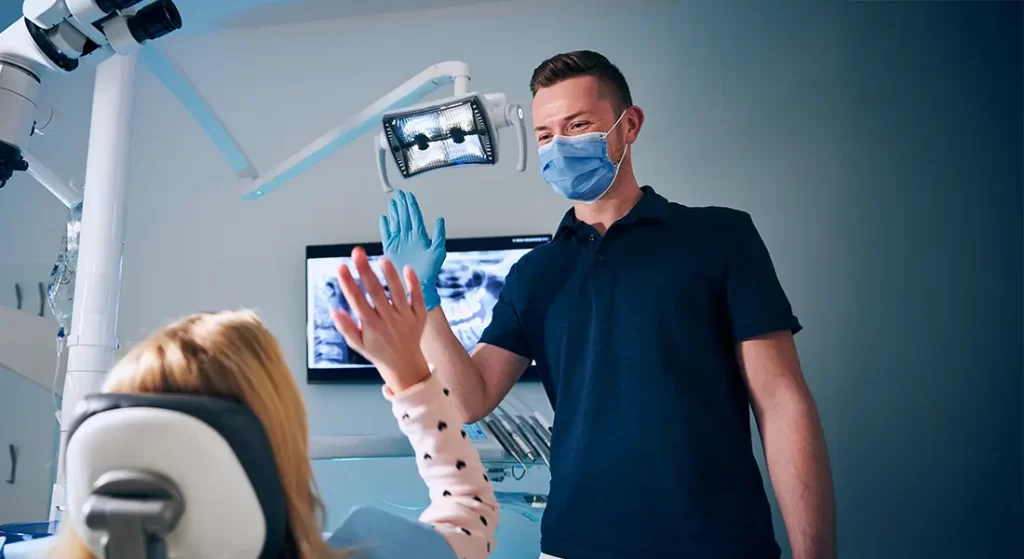
Retargeting isn’t just about running ads or using technology it’s a crucial part of building trust with potential patients. Many clinics focus solely on the technical side and overlook the emotional impact that repeated exposure can have. Every interaction with your clinic, even through a simple ad, contributes to how patients perceive your brand and the care you provide.
When patients see your clinic multiple times across different platforms, they begin to feel safer and more comfortable considering your services. Familiarity reduces uncertainty, builds confidence, and makes the idea of booking a consultation feel less daunting. Each ad reinforces that your clinic is reliable and professional.
Repeated touchpoints also help patients feel more informed and less anxious about the treatments or services you offer. Over time, this consistent engagement reassures them that your clinic understands their concerns and provides the support they need. Patients start to see your clinic as a trusted partner in their healthcare journey rather than just a service provider.
In healthcare, trust is everything, and retargeting plays a key role in nurturing it. By maintaining regular, thoughtful contact through ads, clinics can guide patients emotionally, reduce hesitation, and increase the likelihood that interested visitors will confidently take the next step toward booking a consultation.
FAQs:
1. What exactly are retargeting ads, and how do they work for medical clinics?
Retargeting ads are a way to reconnect with people who have already visited your clinic’s website or engaged with your online content but didn’t book an appointment. When someone visits your site, a small tracking pixel records that visit. Later, this allows your clinic to show targeted ads to that person on platforms like Google, Facebook, Instagram, or YouTube. Essentially, retargeting keeps your clinic visible to people who are already interested, gently reminding them to come back and complete their booking.
2. Why should medical clinics use retargeting instead of only focusing on new patient acquisition?
Many first-time visitors to a clinic website aren’t ready to book immediately. They may want time to compare services, check pricing, or consult with family. Retargeting gives clinics the opportunity to reconnect with these warm leads, rather than constantly spending money to attract entirely new visitors. This approach is more cost-effective, builds familiarity, and increases the likelihood of converting someone who already has shown interest in your services.
3. How soon should a clinic start retargeting after a visitor leaves their website?
The best results come when retargeting begins quickly, ideally within a few days of the visitor leaving. This keeps your clinic fresh in the patient’s mind while they are still considering options. However, campaigns should be thoughtfully timed and not feel overwhelming, so most clinics set frequency caps to avoid showing the same ad too many times in a short period.
4. Can retargeting ads work for every type of medical service?
Retargeting is effective across most services, but it works particularly well for treatments that require careful consideration, such as dermatology procedures, cosmetic treatments, physiotherapy packages, hormone therapy, and women’s or men’s health services. These are services where patients often need reassurance, trust, and repeated exposure before they feel confident to book an appointment.
5. What kind of ads perform best for retargeting in medical clinics?
The most effective retargeting ads focus on reassurance, clarity, and trust rather than aggressive sales tactics. Videos introducing doctors, educational content explaining procedures, patient success stories (when ethically permitted), and reminder ads that gently encourage booking all perform well. Patients respond positively when ads highlight expertise, safety, and personalised care rather than discounts or urgent calls-to-action.
6. How should a clinic segment its audiences for retargeting campaigns?
Audience segmentation is key to effective retargeting. Visitors who viewed specific service pages should receive messages tailored to that service, while someone who abandoned a form may need a reminder or reassurance-focused ad. Social media engagers or video viewers can also be targeted differently, ensuring that each group receives relevant, personalised messaging that matches their level of interest and intent.
7. How can clinics measure the success of their retargeting campaigns?
The success of retargeting campaigns is measured through metrics like cost per enquiry, cost per lead, and conversion rates. Additional insights can come from tracking click-through rates, ad frequency, form completion rates, and booking rates. Monitoring these data points regularly allows clinics to optimise their campaigns, refine messaging, and adjust audience targeting to maximise return on investment.
8. Is retargeting ethical for healthcare marketing?
Retargeting is completely ethical as long as ads remain informative, supportive, and compliant with healthcare advertising regulations. Clinics should avoid overpromising outcomes, making misleading claims, or using testimonials in ways that violate rules. Instead, ads should focus on educating, reassuring, and guiding patients toward booking in a safe, responsible manner.
9. Can retargeting actually help build patient trust, or is it just about conversions?
Retargeting does more than increase bookings it plays a crucial role in building trust. Repeated exposure to your clinic through ads helps potential patients feel safer, more informed, and less anxious about treatments. When patients perceive your clinic as knowledgeable and caring, they are more likely to choose your services, and that trust can lead to long-term relationships beyond a single booking.
10. Do clinics need a big advertising budget to see results with retargeting?
Not at all. Retargeting is often more cost-effective than acquiring new leads because the audience is smaller and already familiar with your clinic. Even a modest budget can deliver strong results if campaigns are properly segmented, messages are relevant, and the ads are shown consistently to warm prospects. By focusing on quality over quantity, clinics can recover lost leads efficiently without overspending.
Final Thoughts: Using Retargeting to Recover Lost Patients
Retargeting isn’t just another advertising tactic it’s a way to stay present in the minds of patients who have already shown interest in your clinic. When done thoughtfully, it builds trust, addresses common concerns, and gently guides visitors toward booking without feeling pushy. By segmenting audiences, using reassuring messaging, and maintaining consistent exposure across multiple platforms, clinics can recover lost leads more efficiently and improve overall patient engagement.
Retargeting works best when integrated into a wider marketing strategy. By combining it with strong website content, clear service information, and patient-focused messaging, clinics can create a seamless journey from initial interest to booked appointment.
At Clinic Engine, our medical marketing agency helps clinics implement retargeting strategies that actually work. We focus on building campaigns that are compliant, trust-building, and highly targeted, ensuring every ad reaches the right audience at the right time and drives measurable results.