

Running a clinic today isn’t just about providing great care it’s about navigating a marketing landscape that changes faster than most doctors have time to follow. One week, enquiries for a treatment are flooding in; the next, they slow down. Suddenly, you’re left wondering whether to increase your ad budget, focus on SEO, or post on social media more consistently.
It’s natural to feel torn. Paid ads promise instant enquiries, while organic growth builds trust over time. But here’s the truth: paid ads and organic marketing aren’t rivals they’re two engines powering the same system. Each works differently, attracts different types of patients, and plays a specific role in your clinic’s growth.
The Real Goal: Not More Enquiries, But Better Enquiries

Before we dive in, it’s important to understand one thing: clinic growth isn’t about getting more enquiries it’s about attracting better enquiries. Many clinic owners have experienced the frustration of a high volume of leads that never convert into bookings.
You may get people who are just shopping around for the cheapest price, leads who stop responding after the first contact, or patients who only attend if offered discounts. While paid ads can quickly increase numbers, organic marketing builds trust and long-term relationships.
The real goal is to attract patients who value your expertise, follow treatment plans, and choose your clinic for the results you deliver not for the lowest price. So rather than asking “Which marketing method is better?”, the question to focus on is: “Which approach brings the right patients for your clinic at this stage of growth?”
Paid Ads: Quick Visibility and Short-Term Growth
Paid ads like Google Ads, Facebook and Instagram campaigns, TikTok ads, and retargeting put your clinic instantly in front of people who are actively searching for or interested in your services. For example, someone searching “acne treatment near me” might see your Google ad, while a person exploring Invisalign content could come across your Instagram carousel.
Retargeting also works effectively: someone who visited your laser hair removal page might be shown a special offer to encourage them back. Paid ads are the fastest way to boost enquiries, but while speed brings clear advantages, it also comes with certain limitations.
Why Paid Ads Work Well for Clinics

Paid ads are particularly effective for clinics because they reach potential patients at the precise moment they’re ready to make a decision. Unlike general marketing, which builds awareness over time, paid campaigns connect your clinic with people who are actively searching for the treatments you offer.
At this stage, patients aren’t just browsing they’re considering options, comparing clinics, and preparing to book. By appearing in front of these high-intent individuals, paid ads can drive immediate enquiries and bookings, making them an essential tool for clinics seeking quick results, seasonal boosts, or a steady flow of leads.
1. Ads capture people at the exact moment they’re ready to book
When someone searches terms like “Botox clinic near me,” “Invisalign cost,” or “hair transplant clinic,” they’re already in decision mode. Paid ads instantly position your clinic in front of these high-intent patients, driving faster enquiries and bookings.
2. Ads allow you to control the volume of enquiries
Paid ads also give you control over the volume of enquiries. If your clinic is quiet, increasing ad spend can generate more enquiries within hours or days. Conversely, if your team is managing too many leads, reducing spend can slow the flow.
3. Ads allow extremely precise targeting
Paid ads allow for extremely precise targeting, reaching the exact audience most likely to convert. For example, you can target women aged 30–55 interested in aesthetics, men researching hair loss, people living within 5 km of your clinic, dental implant prospects with specific behaviours, or younger patients actively following skincare creators.
4. Ads help promote new treatments immediately
Paid ads are ideal for promoting new treatments immediately. Whether you’re launching a new laser device, an injectable treatment, a teeth whitening package, or a skin programme, you don’t want to wait months for SEO to take effect.
5. Ads deliver measurable data fast
Paid ads deliver measurable data quickly, allowing you to see what works within days. You can track which treatments get the most clicks, which headlines convert best, which images perform most effectively, and which types of patients respond. This insight helps you refine not only your ads but also your website, offers, and overall patient communication.
But Paid Ads Have Clear Limitations Too

While paid ads can deliver quick visibility and fast enquiries, they come with clear limitations that clinics must consider. High enquiry volume doesn’t always equal high-quality leads, and ads alone cannot build long-term trust. Understanding these drawbacks helps clinics use paid advertising more strategically.
One major challenge with paid ads is lead quality. Many enquiries come from price shoppers, people comparing clinics, or patients with low urgency who may never follow through. Even with strong landing pages and messaging, paid traffic doesn’t always attract patients who already value your expertise.
Another limitation is that results stop the moment the budget stops. Paid ads are essentially rented attention once campaigns are paused, enquiries often drop sharply or disappear altogether. Unlike paid ads, organic marketing continues working in the background without constant spending.
Cost is also a concern, especially in competitive cities and for popular treatments. With cost per click often ranging from £3 to £20, small mistakes can become expensive quickly. Without careful management, budgets can be wasted on clicks that don’t convert.
What Paid Ads Are Best For

Paid ads are most effective when your clinic needs quick results, predictable outcomes, or a boost in visibility. While they can deliver immediate enquiries and rapid growth, they work best when used alongside organic marketing, which builds long-term trust and patient loyalty. By combining both approaches, clinics can achieve fast results without sacrificing lasting relationships.
- Fast growth: Paid ads can attract new patients quickly, helping your clinic expand faster than relying on organic methods alone and giving you a competitive edge in your area.
- Seasonal boosts: Promotions or treatments tied to specific times of year benefit from timely ad campaigns, ensuring you capitalise on peak demand periods.
- Immediate treatment bookings: Ads can drive patients to book consultations or procedures right away, filling your schedule efficiently and boosting revenue.
- High volumes of enquiries: Paid campaigns can generate large numbers of enquiries in a short period, helping you reach more potential patients than organic methods alone.
- Predictable weekly leads: Ads allow you to forecast and maintain a steady stream of potential patients, making it easier to plan staffing and resources.
- Rapid brand visibility: Paid campaigns increase your clinic’s presence online quickly, putting your services in front of more people and helping establish recognition in your local market.
While ads deliver speed and scale, combining them with organic strategies builds lasting trust and long-term patient relationships.
Organic Growth: High-Trust Visibility, Strong Long-Term Results, and Better Patients
Organic growth focuses on building trust, credibility, and long-term visibility for your clinic without relying on paid ads. It encompasses all the strategies that help patients find, engage with, and feel confident in your services naturally. While results may take longer to appear compared to paid campaigns, organic marketing lays the foundation for lasting patient relationships and consistently high-quality enquiries.
- Google SEO: Optimising your website for search engines helps patients find your clinic naturally when searching for treatments.
- Local SEO: Ensures your clinic appears in local searches, maps, and directories, attracting nearby patients.
- Blogs and treatment guides: Informative content educates patients and positions your clinic as an expert.
- Social media content: Regular posts engage your audience, build awareness, and encourage patient interaction.
- Educational videos: Videos explain procedures and results, helping patients feel informed and confident.
- Patient testimonials: Sharing real experiences builds credibility and reassures potential patients.
- Email newsletters: Keep past and prospective patients engaged with updates, tips, and promotions.
- Before–after galleries: Visual results demonstrate your clinic’s quality and effectiveness.
- Website optimisation: A well-structured, fast, and user-friendly website improves patient experience and search rankings.
Organic growth works slowly at first, but once it builds momentum, it becomes the most reliable, cost-effective source of enquiries.
Why Organic Growth Is So Powerful for Clinics

Organic growth is one of the most powerful ways for clinics to attract the right patients and build long-term success. Rather than chasing quick wins, it focuses on trust, credibility, and visibility that compounds over time. When done well, organic marketing doesn’t just bring more enquiries it brings better patients who choose your clinic for your expertise, reputation, and results.
1. Organic patients are the highest quality: Patients who find you through SEO, blogs, videos, or reviews already trust your clinic. They book faster, accept pricing more easily, follow treatment plans, and stay longer. This leads to higher lifetime value, better conversion rates, and more sustainable growth.
2. Organic growth continues even when you stop working: Once your SEO pages rank and your content library grows, patients continue finding you naturally. Reviews, guides, and social content keep attracting enquiries even when you’re not actively marketing. Unlike ads, organic marketing strengthens over time while costing less.
3. Organic builds your clinic’s reputation something ads cannot buy: Reviews, educational content, photos, and consistent branding create a credible and professional online presence. These elements show real expertise and real results, giving patients confidence that ads alone cannot create.
4. Organic gives you a competitive advantage that’s hard to copy: Anyone can run ads, but not every clinic can build a trusted brand, strong content library, authentic before-and-after results, and high-ranking SEO pages. This makes your clinic harder to copy and positions you above average competitors.
5. Organic reduces marketing costs long-term: As organic visibility grows, reliance on paid ads reduces. Instead of spending heavily every month on clicks, clinics can invest less in maintaining content and still generate more consistent, high-quality enquiries.
But Organic Also Has Limitations
Organic marketing does have its limitations, and it’s important to be aware of them before relying on it as your only growth strategy. While it delivers strong long-term results, it isn’t designed for instant impact.
The biggest challenge is time. SEO, content creation, and social media growth don’t produce results overnight. You need consistency, patience, and sustained effort before you begin to see meaningful traction and steady enquiries.
Organic growth also requires regular content creation. Your clinic must commit to ongoing social media posting, writing blogs and guides, updating existing content, and creating photos and videos that educate and reassure patients. Without proper support, this workload can feel demanding alongside day-to-day clinic operations.
Finally, organic marketing doesn’t boost demand instantly. When you launch a new treatment or invest in new technology, organic visibility takes time to build. In these situations, paid ads often help fill the gap while organic efforts catch up.
Paid Ads vs Organic: Which Brings Better Patients?
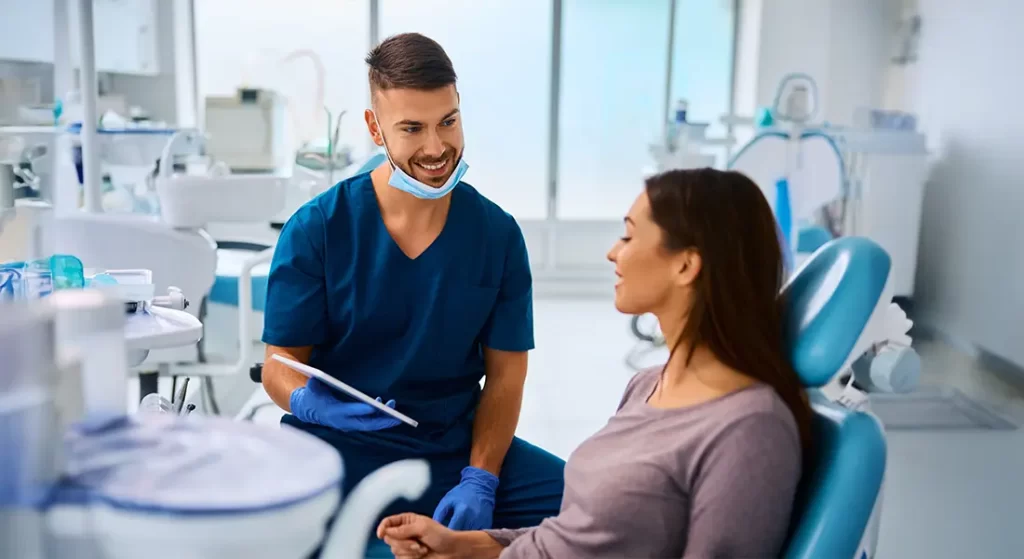
When you compare paid ads and organic marketing through real clinic behaviour, the differences become clear. The biggest distinction is lead quality. Patients who find your clinic organically usually arrive with a higher level of trust. They choose you based on expertise, reputation, and content, not just price or convenience.
Lead volume is where paid ads have a clear advantage in the short term. Paid campaigns can generate a high number of enquiries almost instantly, which is useful if your clinic needs bookings this week or this month. Organic growth, on the other hand, builds more slowly but delivers a steady and reliable flow of enquiries over time.
Cost per acquisition also differs significantly. Paid ads tend to have a higher and more variable cost, especially in competitive markets. Organic leads, while slower to generate at first, become the lowest-cost leads in the long run. As your content, SEO, and reputation grow, you continue attracting patients without paying for every click or enquiry.
The Best Strategy for Clinics: Blend Both for Maximum Growth
The fastest-growing clinics in 2026 don’t rely on a single marketing channel. They use a balanced strategy where paid ads and organic marketing support each other. Paid ads deliver immediate enquiry flow, while organic marketing builds trust, authority, and long-term reputation.
When both channels work together, paid ads perform far better. Patients are more likely to convert because they’ve already seen your content, reviews, or website, which increases confidence and reduces hesitation at the point of booking.
Organic marketing also benefits from paid traffic. Increased website visits help content gain traction faster, improve engagement signals, and support stronger search rankings. At the same time, patients are nurtured across multiple touchpoints instead of seeing a single ad once.
This blended approach improves patient quality and lowers cost per acquisition over time. By supporting paid ads with organic trust, clinics achieve predictable, sustainable growth instead of short-term spikes that disappear when budgets change.
How to Combine Paid Ads and Organic Growth Effectively
Clinics that get the best results follow a simple, focused framework. Paid ads create immediate demand, while organic marketing builds trust and long-term stability. Here’s a shorter, practical version.
Step 1: Use paid ads for high-value treatments
Run ads for treatments with strong ROI such as Invisalign, dental implants, dermal fillers, laser hair removal, skin rejuvenation, and hair treatments. These attract patients who are already searching and ready to book.
Step 2: Make sure your website converts
Paid traffic only works if your website is clear, fast, mobile-friendly, and trustworthy. Strong CTAs, reviews, before-and-after photos, and patient-focused messaging significantly improve conversions.
Step 3: Build organic content around the same treatments
Create blogs, treatment pages, FAQs, videos, and testimonials for the services you advertise. This improves SEO, builds authority, and helps both paid and organic channels perform better.
Step 4: Build trust signals early
Focus on Google reviews, before–after results, case studies, and doctor expertise. Ads bring attention, but trust is what turns enquiries into bookings.
Step 5: Use ads for short-term goals, organic for long-term growth
Use ads to fill gaps, launch treatments, or run seasonal offers. Invest in organic marketing to lower costs, improve patient quality, and build a stable, trusted brand over time.
FAQs:
1. Are paid ads better than organic marketing for clinics?
Paid ads and organic marketing serve different purposes, so one isn’t necessarily better than the other. Paid ads are ideal for quickly reaching people who are ready to book, giving you instant enquiries and short-term growth. Organic marketing, on the other hand, builds long-term trust, credibility, and patient loyalty through content, reviews, and a consistent online presence.
2. How long does it take to see results from organic growth?
Organic growth doesn’t happen overnight because it relies on building SEO, producing high-quality content, and establishing trust online. For most clinics, noticeable results usually appear after three to six months, depending on the competitiveness of the market and the consistency of the strategy. Over time, the benefits compound, meaning that even if you take a break from actively posting or creating content, your website, reviews, and social presence continue to attract new patients.
3. Can paid ads guarantee high-quality patients?
Paid ads can deliver patients who are ready to book or actively looking for your services, but they don’t automatically guarantee top-quality leads. Some enquiries might come from people comparing prices or shopping around for discounts. High-quality leads often depend on the ad messaging, targeting, and your landing pages.
4. Is it expensive to run paid ads for clinics?
The cost of paid ads varies greatly depending on your location, the treatment type, and competition. High-demand treatments like dental implants, laser therapies, or cosmetic procedures can have high costs per click. Without careful management, ad spend can rise quickly without delivering the right results. However, when campaigns are optimised correctly, paid ads provide fast visibility, predictable lead flow, and measurable results, making them a worthwhile investment for clinics that want immediate enquiries.
5. How do organic strategies improve patient trust?
Organic marketing helps clinics earn trust rather than pay for attention. When patients read informative blogs, watch educational videos, see before-and-after photos, or read genuine reviews, they develop confidence in your expertise before they even make an enquiry. Over time, consistent organic content establishes your clinic as a credible, reliable, and professional choice.
6. Can a clinic rely only on paid ads?
Relying solely on paid ads can generate fast enquiries, but it’s not sustainable long-term. Once your budget stops, so do the leads, and you haven’t built any lasting credibility or patient loyalty. Organic strategies create a foundation that continues working even without ongoing ad spend, while ads complement this by filling immediate gaps, launching new treatments, or boosting seasonal campaigns.
7. How should clinics combine paid and organic strategies?
Paid ads should be used to drive immediate enquiries for high-value treatments or seasonal promotions, while organic marketing focuses on building trust, SEO, and brand reputation. When these strategies work together, your paid campaigns convert better because patients already know and trust your clinic, and your organic content benefits from the increased traffic ads provide.
8. Are some treatments better suited to paid ads?
Yes, high-ticket or time-sensitive treatments tend to benefit most from paid ads. Treatments like Invisalign, dermal fillers, laser hair removal, and dental implants attract patients who are actively researching options, making them ideal for targeted campaigns. Paid ads also work well for promoting new services or seasonal offers, giving instant visibility and enquiries while your organic content continues to build credibility for those treatments over time.
9. How can clinics ensure the best return from paid ads?
The best return from paid ads comes from careful targeting, strong messaging, and a well-optimised website. Ads are most effective when they reach the right audience at the right time and lead to a landing page that clearly explains the treatment, showcases results, and builds trust. Combining ads with organic content like blogs, reviews, and testimonials enhances patient confidence, improves conversions, and ensures that ad spend is not wasted on low-quality leads.
10. Is organic marketing enough for clinic growth on its own?
Organic marketing is a powerful tool for long-term growth, credibility, and patient loyalty, but it doesn’t produce instant results. New treatments or seasonal offers often need a quick boost that only paid ads can provide. By combining organic strategies with paid campaigns, clinics can achieve both immediate bookings and sustainable growth, ensuring they attract the right patients while building a strong reputation that lasts.
Final Thought: Blending Paid and Organic Strategies for Lasting Clinic Growth
Attracting the right patients isn’t just about spending more on ads or posting endlessly on social media it’s about creating a marketing system that combines instant visibility with long-term trust. Clinics that thrive in 2026 focus on delivering consistent, high-quality patient experiences, building a credible online presence, and nurturing enquiries through both paid and organic channels.
By integrating well-targeted paid campaigns with strong organic content including SEO, blogs, testimonials, and educational resources your clinic can reach patients when they’re ready to book while simultaneously strengthening trust and authority in your specialty. This approach ensures higher-quality enquiries, better patient retention, and a more sustainable growth trajectory.
At Clinic Engine, our medical marketing company works closely with clinics to design comprehensive strategies that blend paid and organic marketing effectively. We help clinics attract more patients, optimise their online presence, and build systems that deliver predictable results so your growth isn’t just quick, it’s long-lasting.
If you want to explore how combining paid ads with organic growth can transform your clinic’s enquiries and reputation, get in touch with us for a consultation, and we’ll show you what’s possible.